Glendale, WI · Milwaukee County
Desiccant Dehumidification in Glendale, WIConstruction Drying Services & Firefighting Water Drying
Desiccant Dehumidification in Glendale includes water damage dehumidification, construction drying services and mold prevention drying.
Answered 24/7
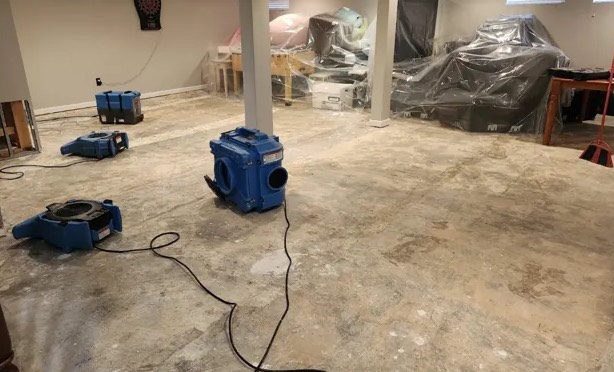
Expert Desiccant Dehumidification for Glendale Properties
Desiccant dehumidifiers dry air differently from the refrigerant units most people know. Instead of cooling air to condense water, they pass it over a material that absorbs moisture, which lets them keep working in cool spaces and reach very low humidity.
A flood in a large Glendale building can need high-capacity drying. Local water damage restoration pros serve Glendale and nearby Whitefish Bay, Fox Point and Shorewood, with help available around the clock.
Specialized Desiccant Dehumidification in Glendale, WI
Construction Drying Services
New construction can trap moisture in concrete, drywall mud and framing. Desiccant units help dry the building before finishes go in.
Firefighting Water Drying
Drying after a fire is done once wet debris is removed, so the structure dries cleanly before rebuilding.
Water Damage Dehumidification
Dehumidification runs alongside air movers, and readings are taken daily until every wet material is back to normal.
Basement Dehumidification
Basement concrete and framing release water slowly. Desiccant drying keeps humidity low so they can dry in a reasonable time.
Mold Prevention Drying
Drying an area quickly after affected materials are removed limits regrowth. Desiccant units help reach low humidity in closed work areas.
Warning Signs You Need Desiccant Dehumidification in Glendale
Wet Insulation in Attics or Walls
Insulation that is wet in attics or walls holds water against framing and slows drying.
High Humidity Readings on Meter
A hygrometer that keeps reading high humidity days after a leak shows the space is not drying.
Musty Smell in Stored Items
Boxes and fabrics that smell musty show the space has stayed damp too long.
Visible Condensation on Windows
Windows that fog or drip inside show the air holds too much moisture for materials to dry.
How Desiccant Dehumidification Works in Glendale
Step 1: First Call and Setup
Help is available any hour, and drying equipment is set up as soon as standing water is removed.
Step 2: Dry Air Environment
The space is closed off so dehumidifiers can bring humidity down quickly.
Step 3: Continuous Moisture Removal
Equipment runs around the clock, pulling moisture from walls, floors and framing.
Step 4: Restoration Verification
Readings are compared to unaffected dry areas before any equipment is removed from the site.
Sources of Moisture Requiring Desiccant Dehumidification in Glendale
Fire Suppression System Activation
Fire sprinklers and firefighting water soak large areas of a building at once.
Groundwater Rise After Heavy Rains
Groundwater rising after long rains keeps crawl spaces and lower levels damp.
Foundation Cracks and Seepage
Foundation cracks let groundwater seep into lower levels, keeping walls and floors damp.
Appliance Malfunctions and Overflows
Washers, dishwashers and water heaters that leak leave wet floors, cabinets and walls.
House & Business Desiccant Dehumidification in Glendale, WI
Residential Desiccant Dehumidification
Families can usually stay home during drying, though equipment makes steady noise and some areas may be closed off.
Commercial Desiccant Dehumidification
Builders and contractors use desiccant drying to get slabs and drywall ready for flooring and paint on schedule.
Professional Desiccant Dehumidification or DIY in Glendale?
Opening windows only helps on dry, breezy days. Commercial dehumidifiers keep drying no matter what the weather outside is doing, which makes them more reliable.
Factors in Desiccant Dehumidification Pricing for Glendale
Flood cleanup, crawl space access, material removal and after-hours setup all add to the total for desiccant dehumidification in Glendale.
Moisture Saturation Level
Materials that are fully soaked take longer to dry than lightly damp ones.
Type of Water Damage
Floodwater and sewage need cleaning and removal of materials before drying, which adds cost.
Number of Dehumidifiers
The number and size of dehumidifiers needed for the space is a major part of the cost.
Does Insurance Cover Desiccant Dehumidification?
Insurers often want proof that drying was needed and that it worked. Starting and final moisture readings from the job show both.
Why Choose Local Pros for Desiccant Dehumidification in Glendale
Structural Drying
Walls, floors and framing are dried, not just the air in the room.
Post-Flood Drying
Floodwater cleanup is followed by drying that continues until readings are normal.
Detailed Moisture Documentation
Daily humidity and moisture readings are logged to show progress and support insurance claims.
Round-the-Clock Desiccant Dehumidification in Glendale, WI
The sooner drying starts, the fewer materials need replacing. Call (414) 348-0250 for desiccant dehumidification in Glendale right after a leak or flood.
Call Now (414) 348-0250Locations for Desiccant Dehumidification Around Glendale
Help with desiccant dehumidification reaches Whitefish Bay, Fox Point and Shorewood, plus other communities around Glendale, for houses, apartments and large buildings.
- Desiccant Dehumidification in Whitefish Bay
- Desiccant Dehumidification in Fox Point
- Desiccant Dehumidification in Shorewood
- Desiccant Dehumidification in Brown Deer
- Desiccant Dehumidification in Wauwatosa
- Desiccant Dehumidification in Butler
- Desiccant Dehumidification in Mequon
- Desiccant Dehumidification in Thiensville
- Emergency Damage Restoration in 53209
- Storm Damage Restoration in 53209
- Water Damage Restoration in 53209
- Water Extraction Service in 53209
- Water Leak Detection in 53209
- Water Removal Service in 53209
Desiccant Dehumidification FAQs
What areas can benefit from moisture control services?
Crawl spaces, lower levels, attics, large commercial spaces and any room where materials got wet.
How do rapid drying methods protect my property?
They dry materials before they swell, warp or grow microbes, which keeps repairs smaller.
When is desiccant dehumidification a better choice than refrigerant units?
In cool spaces, very large areas or when very low humidity is needed to dry dense materials.
What is desiccant dehumidification used for?
Drying spaces after water damage where standard dehumidifiers struggle, such as cool crawl spaces, large buildings and dense materials.
What is involved in basement dehumidification after a flood?
Removing water, placing dehumidifiers and air movers and running them until concrete and framing read dry.