Glendale, WI · Milwaukee County
Basement Water Removal in Glendale, WIBasement Drying Services & Emergency Basement Flooding
Basement Water Removal in Glendale covers basement water pump out, basement wall drying and basement dehumidification after a flood.
Answered 24/7
Local Basement Water Removal Services for Glendale
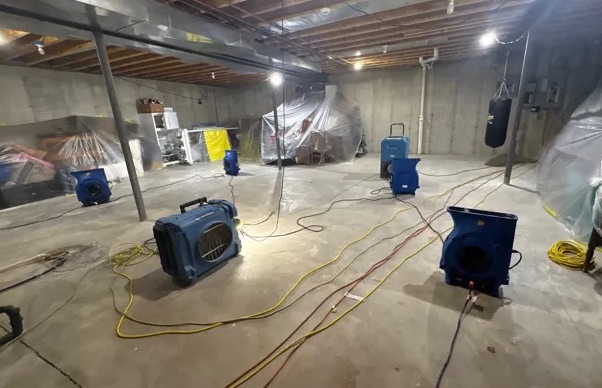
Dehumidification is the slow but necessary part of basement water removal in Glendale. Pumps remove standing water quickly, but walls and concrete keep releasing moisture for days.
Homeowners in Glendale can call (414) 348-0250 day or night when the basement is taking on water. Service also covers Whitefish Bay, Fox Point and Shorewood, with the same pumping and drying steps.
The Basement Water Removal Process in Glendale
Basement Drying Services
After pumping, air movers and dehumidifiers dry the walls, framing and slab. Readings are taken daily until every surface is back to normal.
Emergency Basement Flooding
A flooded basement threatens the furnace, water heater and anything stored on the floor. Fast pumping protects what can still be saved.
Basement Floor Water Damage
Concrete floors are squeegeed, extracted and dried with airflow and dehumidifiers until moisture readings drop.
Basement Wall Drying
Basement walls are checked with moisture meters. Wet drywall is cut back above the water line, and insulation behind it is removed.
Basement Water Pump Out
A pump-out removes standing water from the basement with submersible pumps, discharging it outside and away from the foundation.
Warning Signs You Need Basement Water Removal
Musty Odors and Mold Smell
A musty or damp smell in the basement points to wet materials hidden somewhere in the space.
Wet or Damp Basement Walls
Basement walls that look dark, feel damp or show tide lines are taking on or holding water.
Water Stains on Walls or Ceiling
Stains on lower walls or the ceiling below a bathroom or kitchen point to a leak.
High Humidity and Condensation
Water on pipes and windows, or a constantly clammy feel, means basement humidity is too high.
How Basement Water Removal Works in Glendale
Step 1: Source Control and Water Pump Out
The leak is shut off and standing water is pumped out, starting at the lowest point.
Step 2: Water Extraction
Extractors pull water from carpet, pad and concrete, and wet vacs clear corners and stairs.
Step 3: Dehumidification and Drying
Large dehumidifiers and air movers dry walls, framing and slab over several days.
Step 4: Inspection and Clearance for Repair
Final readings confirm the basement is dry and ready for drywall and flooring repairs.
Sources of Basement Water Problems
Foundation Cracks and Seepage
Cracks in foundation walls and the slab let groundwater seep in during wet weather.
Appliance Malfunctions and Overflows
Washers, utility sinks and water softeners in the basement can overflow or leak.
Window Well Leaks and Drainage
Window wells without drains or covers fill with rain and leak through the windows.
Sump Pump Malfunction or Power Loss
A sump pump that fails mechanically or loses power during a storm lets groundwater rise.
Basement Water Removal for Homes and Businesses
Residential Basement Water Removal
In homes, a wet basement often means damaged carpet, drywall and stored belongings, plus a furnace or water heater sitting in water. Water is pumped out and the space dried.
Commercial Basement Water Removal
In commercial buildings, basements often house mechanical rooms and storage. Water is removed quickly so systems can be checked and restarted safely.
Professional Basement Water Removal Versus Do-It-Yourself
A small puddle on bare concrete can be handled with a wet vac, towels and a dehumidifier. Call local basement drying experts if water reached carpet, drywall or framing, or covers much of the floor.
What Influences the Price of Basement Water Removal
Waterproofing and drainage work are separate costs. In Glendale, they may be needed to stop the next flood.
Access and Complexity
Narrow stairs, low ceilings and crowded storage areas make the work slower and longer.
Affected Materials
Finished walls, carpet and laminate take more removal work than bare concrete.
Time of Service
Night, weekend and storm calls can cost more than a scheduled weekday visit.
Does Insurance Cover Basement Water Removal?
Many homeowner policies cover sudden basement water from a burst pipe but not groundwater seepage. Sewer backup coverage is often an add-on, so check yours.
The Value of Professional Basement Water Removal
Detailed Damage Documentation
Photos, readings and drying logs are kept to support your insurance claim.
Industry Drying Standards
Water removal and drying follow industry water damage standards, with readings at every visit.
Advanced Drying Equipment
Pumps, extractors and large dehumidifiers remove water much faster than household tools.
Round-the-Clock Basement Water Removal for Glendale
Standing water in a basement soaks walls and floors by the hour. Call (414) 348-0250 for basement water removal in Glendale at any time, day or night.
Call Now (414) 348-0250Local Basement Water Removal Coverage for Whitefish Bay, Fox Point and Shorewood
Help with basement water removal reaches Whitefish Bay, Fox Point and Shorewood, plus other communities around Glendale, for finished and unfinished basements alike.
- Basement Water Removal in Whitefish Bay
- Basement Water Removal in Fox Point
- Basement Water Removal in Shorewood
- Basement Water Removal in Brown Deer
- Basement Water Removal in Wauwatosa
- Basement Water Removal in Butler
- Basement Water Removal in Mequon
- Basement Water Removal in Thiensville
- Emergency Damage Restoration in 53209
- Storm Damage Restoration in 53209
- Water Damage Restoration in 53209
- Water Extraction Service in 53209
- Water Leak Detection in 53209
- Water Removal Service in 53209
Common Basement Water Removal Questions Answered
What is the difference between a pump out and extraction?
A pump out removes deep standing water. Extraction pulls the remaining water from carpet, pad and floors.
What equipment is used for basement water extraction?
Submersible pumps, extractors, wet vacs, air movers, large dehumidifiers and moisture meters to confirm drying.
How is basement wall drying done?
Wet drywall is cut back, insulation removed and directed airflow and dehumidifiers dry the studs and masonry.
How does a basement moisture inspection work?
Moisture meters and thermal cameras check walls, floors and the slab, including behind finished walls and under flooring.
What is involved in basement leak cleanup?
Stopping the leak, extracting the water, drying the floor and walls and checking for hidden moisture under flooring.