Whitewater, WI · Walworth County
Deodorization Services in Whitewater, WIMold Odor Remediation & Musty Odor Removal
Deodorization Services in Whitewater covers mold odor remediation, pet odor elimination and chemical odor removal by finding the source first.
Answered 24/7
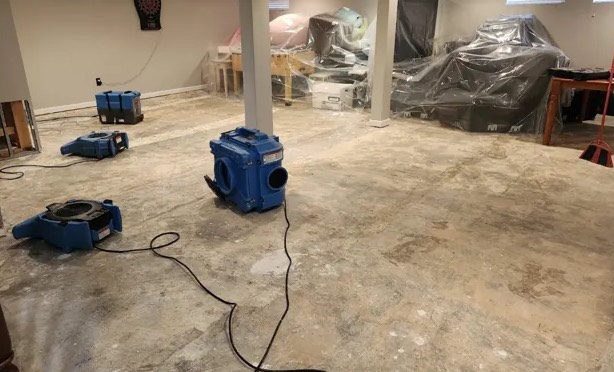
Expert Deodorization Services Available in Whitewater
Air fresheners and sprays cover odors for a while, but in Whitewater homes the smell comes back because its source is still there. Water-damaged pad, damp drywall and contaminated materials keep releasing odor.
In Whitewater, many odor calls follow a leak that was dried but still smells musty. Local odor removal pros serve Whitewater, Palmyra, Fort Atkinson and Little Prairie, finding hidden damp materials and treating them.
Available Deodorization Services for Whitewater
Mold Odor Remediation
Musty smells return if the moisture source is not fixed, so the leak or humidity problem is found and stopped first.
Musty Odor Removal
Musty odor lives in porous materials that stayed wet, so soaked carpet pad, drywall and insulation are dried or removed before any deodorizer is used.
Water Damage Deodorization
After water damage, soaked materials can trap odor long after the water is gone. Wet carpet pad and drywall are removed and the area is dried.
Sewage Odor Cleanup
After a sewage backup, contaminated materials are removed and surfaces are disinfected. Deodorizing follows once the source is gone.
Persistent Odor Elimination
If odor keeps returning after treatment, the source is still there. The pros keep tracing it rather than masking it.
How to Know You Need Deodorization Services
New Odor After Renovation
A new smell after remodeling can come from damp materials closed into walls or from new finishes.
Odor in HVAC System
Smells that get stronger when the heat or AC turns on point to the ductwork or air handler.
Musty Mold Odor
A musty or earthy smell usually means damp materials or mold somewhere in the house.
Widespread Unpleasant Smell
An odor through the whole house, not just one room, can be spreading through the HVAC system.
How Deodorization Services Work in Whitewater
Step 1: Initial Odor Evaluation
The type of odor and how far it has spread through the house are noted.
Step 2: Setting Up Air Filtration
Air scrubbers are placed to capture odor and particles while work continues.
Step 3: Targeted Deodorant Application
Treatment is applied where the odor is strongest, including carpet, subfloor and walls.
Step 4: Follow-Up Check
The area is checked again after treatment, and any remaining source is traced.
Deodorization Services for Persistent Odor Issues in Whitewater
Sewage Backups or Leaks
Sewage backups and leaking drain lines leave odor in floors, walls and the air.
Mold and Mildew
Damp materials and mold after leaks produce musty odors that spread through the house.
Decomposing Organic Matter
A dead animal in a wall, attic or crawl space causes a strong odor until it is removed.
Previous Water Damage
Old water damage that was never fully dried leaves damp materials that keep smelling.
Deodorization Services for Any Property in Whitewater
Residential Deodorization Services
In homes, odors usually come from past water damage, pets, sewage backups or smoking. The source is removed and the home is treated so the smell does not return.
Commercial Deodorization Services
In rental properties, offices and stores, odors can drive away tenants and customers. Treatment is scheduled around occupancy so the space can be used again quickly.
Why Deodorization Services Beats DIY in Whitewater
Do not try ozone generators on your own in an occupied home. Ozone treatments require the space to be empty and should be handled with care.
Estimating Deodorization Services Cost in Whitewater
The pros find the source before pricing deodorization services in Whitewater, then explain what will be removed, cleaned and treated.
Materials and Contents
Carpet, pad, drywall and furniture that hold odor may need removal or specialist cleaning.
Safety and Containment
Odors from sewage or chemicals need protective gear and containment, which adds cost.
Required Equipment
Air scrubbers, deodorizing equipment and products for the specific odor affect the total.
Does Insurance Cover Deodorization Services?
Photograph damaged materials before they are removed and keep receipts for odor treatment, cleaning and any replacement materials for your adjuster.
Reasons to Hire Local Pros for Deodorization Services in Whitewater
Odor Neutralization
Deodorizing products are chosen to neutralize the odor, not just add a scent over it.
Detailed Documentation Process
Notes on the source, what was removed and what was treated are kept for insurance and your records.
24/7 Emergency Response
Help is available day or night when a sewage smell or backup needs urgent attention.
Around-the-Clock Emergency Deodorization Services in Whitewater
The sooner an odor source is removed, the less it spreads into other materials. Call (414) 348-0250 for deodorization services in Whitewater.
Call Now (414) 348-0250Deodorization Services Serving Whitewater and Nearby
Besides Whitewater, local odor removal pros handle odor source removal and air treatment in nearby Palmyra, Fort Atkinson and Little Prairie.
- Deodorization Services in Palmyra
- Deodorization Services in Little Prairie
- Deodorization Services in Jefferson
- Deodorization Services in Rome
- Deodorization Services in Helenville
- Deodorization Services in Elkhorn
- Deodorization Services in Sullivan
- Deodorization Services in Eagle
- Emergency Damage Restoration in 53190
- Storm Damage Restoration in 53190
- Water Damage Restoration in 53190
- Water Extraction Service in 53190
- Water Leak Detection in 53190
- Water Removal Service in 53190
Your Deodorization Services Questions Addressed
What is the difference between sanitizing and deodorizing?
Sanitizing reduces germs on surfaces. Deodorizing removes or neutralizes smells. After sewage, both are usually needed.
Why choose professional odor control over store sprays?
Sprays cover odors for a short time. Professional work finds and removes the source so the smell does not return.
What should I do while waiting for odor removal help?
Ventilate if safe, avoid masking sprays that hide the source, and note where the smell is strongest.
What methods are used for chemical smell removal?
Ventilation, cleaning affected surfaces, removing soaked materials and running air scrubbers, after the source is made safe.
How are odors treated in HVAC systems?
Ducts and air handlers near the source are inspected and cleaned, and filters are replaced so odor stops circulating.