Whitewater, WI · Walworth County
Attic Water Damage Restoration in Whitewater, WIAttic Leak Water Cleanup & Attic Mold Prevention
Attic Water Damage Restoration in Whitewater includes roof leak water removal, ceiling water damage cleanup and attic moisture inspection.
Answered 24/7
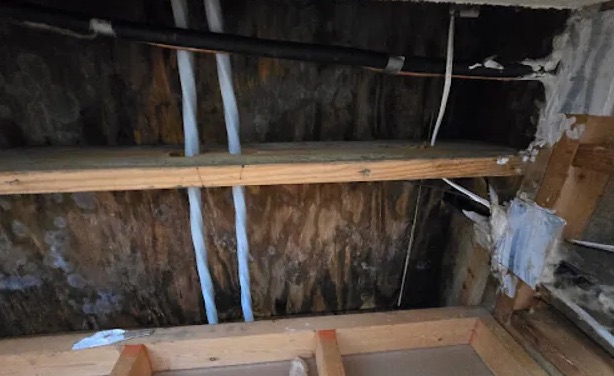
Attic Water Damage Restoration Solutions in Whitewater
Wet attic insulation is heavy and holds water against the ceiling drywall. In Whitewater homes, that weight and moisture can make a ceiling sag and eventually fall if the insulation is not removed.
In Whitewater, Palmyra, Fort Atkinson and Little Prairie, many attics hold air handlers and water heaters as well as insulation. The pros handle water from any of them, along with roof leaks.
Available Attic Water Damage Restoration Work in Whitewater
Attic Leak Water Cleanup
Leak cleanup in an attic means working between joists and around ducts, wiring and insulation, removing water from every spot it pooled.
Attic Mold Prevention
Drying wet wood quickly is the main way to limit microbial growth in an attic. Decking and rafters that stayed damp can be treated once dry.
Attic Drying Services
Attic drying targets the wood framing and the ceiling below, with readings taken until both return to normal levels.
Emergency Attic Water Extraction
Help is available any hour when water is pouring into the attic during a storm or from a burst pipe, before it soaks through the ceiling.
Ceiling Water Damage Cleanup
Small ceiling stains can often be dried in place and sealed. Sagging, soft or crumbling drywall is replaced.
Indicators for Emergency Attic Water Removal
Increased Humidity Upstairs
Upstairs rooms that feel clammy even with the AC on may have moisture coming from the attic.
Wet or Sagging Insulation
Insulation that looks matted, dark or compressed, or sags between joists, has absorbed water.
Crumbling Drywall Tape
Ceiling drywall tape that bubbles, cracks or peels usually means water is soaking the seams.
Water Stains on Ceiling
Brown rings or yellow spots on an upstairs ceiling usually mean water is sitting on the drywall from above.
How Attic Water Damage Restoration Works in Whitewater
Step 1: Source Stop and Water Extraction
A tarp is placed over roof damage or the pipe is shut off, and water in the attic is removed.
Step 2: Removal of Damaged Materials
Ruined insulation and sagging ceiling drywall are removed to stop further damage and open the area to air.
Step 3: Attic Drying
Dehumidifiers and air movers run until wood framing and decking return to normal moisture levels.
Step 4: Cleaning and Odor Removal
Debris is cleared, dust is cleaned from the room below, and musty odors are addressed.
Typical Sources of Attic Moisture Issues
Storm Damage From Wind or Hail
Wind and hail can tear shingles or puncture the roof, letting rain in during the storm.
Clogged or Damaged Gutters
Clogged gutters overflow at the roof edge, pushing water under shingles and into the soffits.
Failing Roof Valley or Flashing
Worn flashing around valleys, chimneys and skylights lets water run into the attic.
Condensation From Poor Ventilation
Warm, moist air from the house condenses on cold roof decking when the attic is poorly vented.
Residential and Commercial Attic Water Damage Restoration in Whitewater
Residential Attic Water Damage Restoration
For townhomes and condos, an attic leak can cross into a neighbor's space. Fast drying and clear records help sort out repairs with the association.
Commercial Attic Water Damage Restoration
Property managers get photos and readings for each affected unit or suite, which simplifies insurance claims and roof repair planning.
Why DIY Attic Water Damage Restoration Often Fails in Whitewater
Never step between attic joists, since the ceiling drywall will not hold your weight. If water is pooling up there, call (414) 348-0250 instead of trying to reach it yourself.
Understanding Attic Water Damage Restoration Pricing
In Whitewater, insulation removal and ceiling repair often make up a large share of the bill, along with drying equipment days in the attic.
Size and Accessibility
Low, tight attics take longer to work in than tall attics with easy access.
Extent of Water Intrusion
A small leak at one spot costs less to dry than water spread across the attic and the rooms below.
Ceiling Repair Needs
Replacing, taping and painting ceiling drywall after drying adds to the total.
Does Insurance Cover Attic Water Damage Restoration?
Take photos of the ceiling, the attic and any storm damage on the roof before cleanup starts. Keep receipts for tarping and emergency drying.
Benefits of Local Pros for Attic Water Damage Restoration in Whitewater
Structural Drying Expertise
Drying equipment is placed for attic framing and decking, where moisture is hardest to remove.
Full Attic Assessment
The whole attic is checked, from the roof deck to the ceiling below, not just the leak spot.
Roof Leak Location
The leak point is marked and photographed so the roofer can fix the right spot.
Round-the-Clock Attic Water Damage Restoration in Whitewater
If water is coming through a light fixture, turn off that circuit at the panel and keep clear. Then call (414) 348-0250 for help in Whitewater.
Call Now (414) 348-0250Attic Water Damage Restoration Near Whitewater: Areas Served
Attic water removal and drying also cover homes and buildings in Palmyra, Fort Atkinson and Little Prairie, close to Whitewater, day or night.
- Attic Water Damage Restoration in Palmyra
- Attic Water Damage Restoration in Fort Atkinson
- Attic Water Damage Restoration in Little Prairie
- Attic Water Damage Restoration in Jefferson
- Attic Water Damage Restoration in Rome
- Attic Water Damage Restoration in Helenville
- Attic Water Damage Restoration in Elkhorn
- Attic Water Damage Restoration in Sullivan
- Emergency Damage Restoration in 53190
- Storm Damage Restoration in 53190
- Water Damage Restoration in 53190
- Water Extraction Service in 53190
- Water Leak Detection in 53190
- Water Removal Service in 53190
Your Attic Water Damage Restoration Questions Resolved
What is structural drying for an attic?
Drying the rafters, joists and roof decking with directed airflow and dehumidifiers until moisture readings return to normal.
What is involved in emergency attic water extraction?
Catching active drips, removing pooled water from decking and drywall tops, and starting drying before the ceiling below is ruined.
What causes attic leaks besides storms?
Worn flashing, clogged gutters, attic AC overflows, plumbing leaks and bathroom fans venting into the attic.
Can attic water damage affect indoor air?
Wet insulation and wood can cause musty odors that reach the living space, so drying and removing soaked materials matters.
What equipment is used for attic water removal?
Wet vacs, air movers, dehumidifiers, moisture meters and thermal cameras, plus bags and HEPA vacuums for insulation removal.