Twin Lakes, WI · Kenosha County
Basement Water Removal in Twin Lakes, WIBasement Dehumidification & Basement Wall Drying
Basement Water Removal in Twin Lakes includes basement water pump out, basement drying services and basement moisture inspection.
Answered 24/7
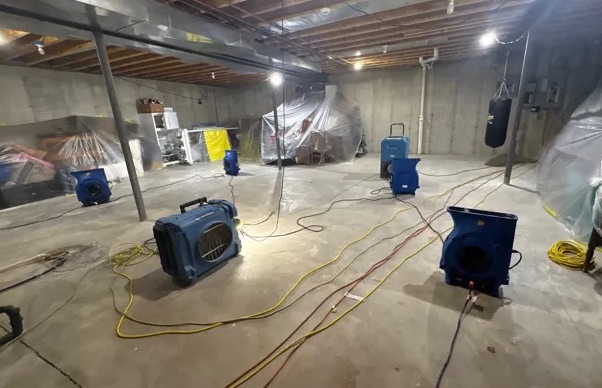
Local Basement Water Removal Services for Twin Lakes
A wet basement gets worse every hour the water stays. In Twin Lakes, water on a basement floor wicks up drywall, soaks carpet pad and seeps into the concrete, and cool below-grade air keeps it from drying on its own.
In Twin Lakes, when a basement or below-grade room takes on water, it usually follows heavy rain, a sewer backup or a burst pipe. Local water damage pros serve Twin Lakes, Salem Lakes, Burlington and Lake Geneva, pumping water out and drying the space.
Comprehensive Basement Water Removal Solutions
Basement Dehumidification
Large dehumidifiers pull moisture from basement air, which lets walls, framing and the slab release the water they absorbed.
Basement Wall Drying
Concrete and block walls dry with directed airflow and dehumidification, which pull water out of the masonry.
Basement Floor Water Damage
Water on a basement floor soaks into carpet pad, laminate seams and the concrete itself. Floor coverings are lifted where needed so the slab can dry.
Basement Moisture Inspection
Readings are recorded at each visit, giving you and your insurer a clear record of the drying.
Sump Pump Failure Water Cleanup
Cleanup after a sump failure includes drying the area around the pit and noting whether the pump, switch or power was the cause.
Signs of Basement Water Damage in Twin Lakes
Warped or Buckling Flooring
Flooring that buckles, lifts or feels spongy has water trapped between it and the slab.
Efflorescence on Concrete Walls
White, powdery deposits on concrete walls mean water is passing through the masonry.
Standing Water in Basement
Standing water anywhere on the basement floor needs to be pumped out before it soaks the walls.
Soggy or Wet Carpeting
Carpet that feels damp or smells sour is holding water in the pad against the concrete.
How Basement Water Removal Works in Twin Lakes
Step 1: Emergency Water Extraction
Power is made safe, then pumps and extractors remove standing water from the basement floor.
Step 2: Detailed Moisture Inspection
Meters map wet walls, framing and slab areas, including behind finished walls and under flooring.
Step 3: Drying and Dehumidification
Air movers and large dehumidifiers run continuously, with readings checked every day.
Step 4: Final Verification and Monitoring
Readings are compared to dry areas, and equipment is removed only when the basement tests dry.
Common Causes of Basement Water Damage in Twin Lakes
Window Well Leaks and Drainage
Window wells without drains or covers fill with rain and leak through the windows.
Improper Landscape Grading
Soil that slopes toward the house directs rainwater straight to the basement walls.
Heavy Rainfall and Storm Flooding
Heavy rain saturates the soil and pushes water through walls, cracks and the floor joint.
Sump Pump Malfunction or Power Loss
A sump pump that fails mechanically or loses power during a storm lets groundwater rise.
Residential and Commercial Basement Water Removal in Twin Lakes
Residential Basement Water Removal
Older homes with a basement may see seepage with every heavy storm. Water removal handles the current damage, and the entry point is noted for a waterproofing contractor.
Commercial Basement Water Removal
Multi-unit buildings with shared basements need each storage and laundry area pumped, dried and documented for the property manager.
Why DIY Basement Water Removal Often Fails in Twin Lakes
Water that came up through a floor drain may be sewage. Avoid touching it, keep children and pets away and call local water damage pros for cleanup with protective gear and disinfection.
What Influences the Price of Basement Water Removal
In Twin Lakes, the drying phase usually costs more than the pumping, because basements need equipment running for several days.
Access and Complexity
Narrow stairs, low ceilings and crowded storage areas make the work slower and longer.
Additional Services
Antimicrobial treatment, contents cleaning and repairs after drying add to the cost.
Water Depth and Volume
Deeper water takes more pumping time and usually means more materials got wet.
Does Insurance Cover Basement Water Removal?
Photos, moisture readings and drying logs from the pros help support an insurance claim for basement water damage in Twin Lakes.
Benefits of Hiring Local Pros for Basement Water Removal in Twin Lakes
Industry Drying Standards
Water removal and drying follow industry water damage standards, with readings at every visit.
Methodical Water Removal Process
Water is removed in a set order: pump-out, extraction, removal of soaked materials, then drying.
Advanced Drying Equipment
Pumps, extractors and large dehumidifiers remove water much faster than household tools.
24/7 Basement Water Removal When You Need It
If water is near outlets, the furnace or the electrical panel, stay out of it. Call (414) 348-0250 for help in Twin Lakes and wait for power to be made safe.
Call Now (414) 348-0250Local Basement Water Removal Coverage for Salem Lakes, Burlington and Lake Geneva
Help with basement water removal reaches Salem Lakes, Burlington and Lake Geneva, plus other communities around Twin Lakes, for finished and unfinished basements alike.
- Basement Water Removal in Salem Lakes
- Basement Water Removal in Burlington
- Basement Water Removal in Lake Geneva
- Basement Water Removal in Union Grove
- Basement Water Removal in Delavan
- Basement Water Removal in Waterford
- Basement Water Removal in Elkhorn
- Basement Water Removal in East Troy
- Emergency Damage Restoration in 53181
- Storm Damage Restoration in 53181
- Water Damage Restoration in 53181
- Water Extraction Service in 53181
- Water Leak Detection in 53181
- Water Removal Service in 53181
Frequently Asked Basement Water Removal Questions
What causes basement floor water damage?
Storm seepage, burst pipes, appliance leaks, foundation cracks and sewer backups through floor drains are the usual sources.
How does a basement moisture inspection work?
Moisture meters and thermal cameras check walls, floors and the slab, including behind finished walls and under flooring.
What is involved in basement leak cleanup?
Stopping the leak, extracting the water, drying the floor and walls and checking for hidden moisture under flooring.
Why is fast water removal so important for basements?
Basements dry slowly, so every hour of standing water adds drying days and more materials to replace.
What should I do right after basement flooding?
Make power safe, avoid sewage, move belongings above the water, take photos and call for water removal.