East Troy, WI · Walworth County
Basement Water Removal in East Troy, WIBasement Water Pump Out & Basement Wall Drying
Basement Water Removal in East Troy covers basement water pump out, basement wall drying and basement dehumidification after a flood.
Answered 24/7
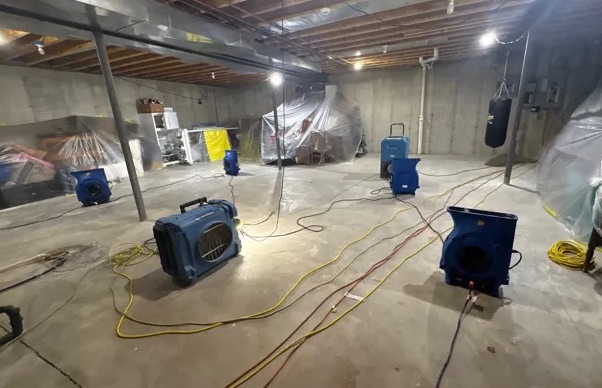
Local Basement Water Removal Services for East Troy
In East Troy, a finished basement or lower level takes more work after a flood. Carpet, pad, laminate, drywall and insulation all trap water against the concrete and framing.
A finished basement or lower level in East Troy or Waterford, Mukwonago and Vernon can hide water under flooring and behind drywall. The pros find and remove it before it causes lasting damage.
Specialized Basement Water Removal for East Troy
Basement Water Pump Out
A pump-out removes standing water from the basement with submersible pumps, discharging it outside and away from the foundation.
Basement Wall Drying
Opening the bottom of finished walls lets air reach the studs and sill plate, which otherwise stay wet behind the drywall.
Basement Dehumidification
Dehumidifiers run continuously during drying, and their output is checked to track how much water is still coming out of the materials.
Basement Drying Services
Equipment stays until the basement reads dry, not just until it looks dry. Removing it early lets dampness return.
Emergency Basement Flooding
Emergency response starts with making power safe, stopping the source if possible and pumping out the water.
Common Symptoms Requiring Basement Water Removal
Standing Water in Basement
Standing water anywhere on the basement floor needs to be pumped out before it soaks the walls.
Sump Pump Failure or Overflow
A sump pit that is full, overflowing or has a pump that will not start means water is about to spread.
Mold or Mildew
Dark spots on drywall, framing or stored items mean the area has stayed wet for days.
Soggy or Wet Carpeting
Carpet that feels damp or smells sour is holding water in the pad against the concrete.
How Basement Water Removal Works in East Troy
Step 1: Source Control and Water Pump Out
The leak is shut off and standing water is pumped out, starting at the lowest point.
Step 2: Water Extraction
Extractors pull water from carpet, pad and concrete, and wet vacs clear corners and stairs.
Step 3: Dehumidification and Drying
Large dehumidifiers and air movers dry walls, framing and slab over several days.
Step 4: Inspection and Clearance for Repair
Final readings confirm the basement is dry and ready for drywall and flooring repairs.
Sources of Basement Water Problems
Clogged or Damaged Gutters
Clogged gutters and short downspouts dump roof water right next to the foundation.
Sewer Line Backups and Blockages
A blocked sewer line can push wastewater up through basement floor drains and toilets.
High Water Table and Hydrostatic Pressure
A high water table presses groundwater against the slab and walls, forcing it inside.
Heavy Rainfall and Storm Flooding
Heavy rain saturates the soil and pushes water through walls, cracks and the floor joint.
Both Residential & Commercial Basement Water Removal
Residential Basement Water Removal
In homes, a wet basement often means damaged carpet, drywall and stored belongings, plus a furnace or water heater sitting in water. Water is pumped out and the space dried.
Commercial Basement Water Removal
In commercial buildings, basements often house mechanical rooms and storage. Water is removed quickly so systems can be checked and restarted safely.
Basement Water Removal vs. DIY: When to Call the Pros
You can move belongings up off the floor and run the dehumidifier you already own. Drying soaked walls and slab needs larger equipment and readings to confirm the job is done.
Factors Affecting Basement Water Removal Cost
The pros look at water depth, water type and basement finishes before pricing basement water removal in East Troy, then explain the scope.
Water Depth and Volume
Deeper water takes more pumping time and usually means more materials got wet.
Access and Complexity
Narrow stairs, low ceilings and crowded storage areas make the work slower and longer.
Affected Materials
Finished walls, carpet and laminate take more removal work than bare concrete.
Does Insurance Cover Basement Water Removal?
Flooding from outside water usually needs separate flood insurance. Water from a broken pipe or appliance inside is more often covered.
The Value of Professional Basement Water Removal
Industry Drying Standards
Water removal and drying follow industry water damage standards, with readings at every visit.
Post-Service Moisture Verification
Final readings are recorded before equipment leaves, so you know the basement is dry.
Moisture Inspection
Meters and thermal cameras find water in walls, floors and slab that looks dry.
24/7 Emergency Basement Water Removal in East Troy
Storm night, weekend or holiday, local basement drying experts handle basement water in East Troy. Call (414) 348-0250 to get pumps running and drying started.
Call Now (414) 348-0250Local Basement Water Removal Coverage for Waterford, Mukwonago and Vernon
Besides East Troy, local basement drying experts handle basement pump-outs, wall drying and dehumidification in nearby Waterford, Mukwonago and Vernon.
- Basement Water Removal in Waterford
- Basement Water Removal in Mukwonago
- Basement Water Removal in Vernon
- Basement Water Removal in Big Bend
- Basement Water Removal in Eagle
- Basement Water Removal in North Prairie
- Basement Water Removal in Elkhorn
- Basement Water Removal in Palmyra
- Emergency Damage Restoration in 53120
- Storm Damage Restoration in 53120
- Water Damage Restoration in 53120
- Water Extraction Service in 53120
- Water Leak Detection in 53120
- Water Removal Service in 53120
Frequently Asked Basement Water Removal Questions
How long does basement drying take?
Often several days or longer, because concrete and cool basement air hold moisture. Daily readings show when it is done.
What is involved in basement leak cleanup?
Stopping the leak, extracting the water, drying the floor and walls and checking for hidden moisture under flooring.
Is a sump pump failure an emergency?
Yes, especially during rain. Groundwater can rise quickly once the pump stops, flooding the floor and finished rooms.
Can I dry my basement myself with fans?
Fans help with surface water, but walls and concrete need dehumidifiers and readings to dry fully.
How is contaminated water handled in a basement?
With protective gear, containment, removal of porous materials and disinfection of hard surfaces before drying.