Summit, WI · Waukesha County
Basement Water Removal in Summit, WIEmergency Basement Flooding & Basement Drying Services
Basement Water Removal in Summit includes basement water pump out, basement drying services and basement moisture inspection.
Answered 24/7
Local Basement Water Removal Services for Summit
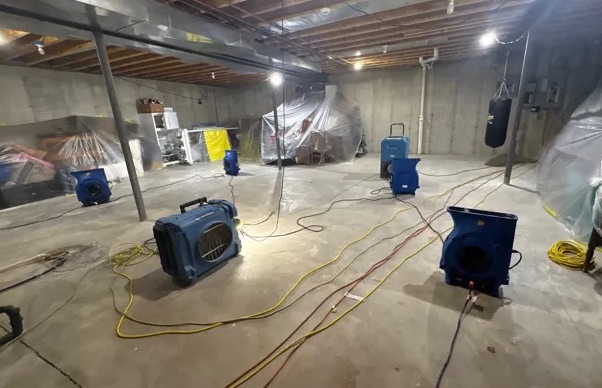
Dehumidification is the slow but necessary part of basement water removal in Summit. Pumps remove standing water quickly, but walls and concrete keep releasing moisture for days.
A finished basement or lower level in Summit or Dousman, Oconomowoc and Nashotah can hide water under flooring and behind drywall. The pros find and remove it before it causes lasting damage.
Specialized Basement Water Removal for Summit
Emergency Basement Flooding
Help is available any hour when water is rising in the basement from a storm, a sewer backup or a burst pipe.
Basement Drying Services
After pumping, air movers and dehumidifiers dry the walls, framing and slab. Readings are taken daily until every surface is back to normal.
Basement Wall Drying
Basement walls are checked with moisture meters. Wet drywall is cut back above the water line, and insulation behind it is removed.
Basement Moisture Inspection
An inspection shows how high water wicked up the walls and how far it spread under flooring, which sets the drying plan.
Basement Floor Water Damage
Water on a basement floor soaks into carpet pad, laminate seams and the concrete itself. Floor coverings are lifted where needed so the slab can dry.
Signs of Basement Water Damage in Summit
Water Stains on Walls or Ceiling
Stains on lower walls or the ceiling below a bathroom or kitchen point to a leak.
Sump Pump Failure or Overflow
A sump pit that is full, overflowing or has a pump that will not start means water is about to spread.
Gurgling Sounds From Drains
Gurgling floor drains or slow drains can be an early sign of a sewer line problem.
Warped or Buckling Flooring
Flooring that buckles, lifts or feels spongy has water trapped between it and the slab.
How Basement Water Removal Works in Summit
Step 1: Safety Assessment and Pump Out
Electrical hazards are checked, then deep water is pumped outside away from the foundation.
Step 2: Content Removal and Damage Documentation
Wet belongings are moved, and photos record the water level and damaged materials.
Step 3: Targeted Water Removal and Drying
Carpet is extracted, wet drywall is cut back and air is aimed at walls and the slab.
Step 4: Sanitization and Moisture Control
Surfaces touched by dirty water are disinfected, and dehumidifiers keep humidity low.
Common Causes of Basement Flooding in Summit
Plumbing Leaks or Pipe Bursts
Supply lines, drain pipes and water heaters in the basement can leak or burst onto the floor.
Clogged or Damaged Gutters
Clogged gutters and short downspouts dump roof water right next to the foundation.
Sump Pump Malfunction or Power Loss
A sump pump that fails mechanically or loses power during a storm lets groundwater rise.
Foundation Cracks and Seepage
Cracks in foundation walls and the slab let groundwater seep in during wet weather.
House and Business Basement Water Removal in Summit
Residential Basement Water Removal
Families should keep children and pets away from basement water until power is safe and the type of water is known.
Commercial Basement Water Removal
In restaurants and shops, basement water near food or stock storage needs removal and cleaning before those areas are used again.
Professional Basement Water Removal Versus Do-It-Yourself
You can move belongings up off the floor and run the dehumidifier you already own. Drying soaked walls and slab needs larger equipment and readings to confirm the job is done.
Factors Affecting Basement Water Removal Cost
In Summit, the drying phase usually costs more than the pumping, because basements need equipment running for several days.
Basement Square Footage
Larger basements need more extraction, more drying equipment and more days of drying.
Access and Complexity
Narrow stairs, low ceilings and crowded storage areas make the work slower and longer.
Affected Materials
Finished walls, carpet and laminate take more removal work than bare concrete.
Does Insurance Cover Basement Water Removal?
Many homeowner policies cover sudden basement water from a burst pipe but not groundwater seepage. Sewer backup coverage is often an add-on, so check yours.
Why Summit Homeowners Trust Local Pros for Basement Water Removal
Methodical Water Removal Process
Water is removed in a set order: pump-out, extraction, removal of soaked materials, then drying.
Industry Drying Standards
Water removal and drying follow industry water damage standards, with readings at every visit.
Post-Service Moisture Verification
Final readings are recorded before equipment leaves, so you know the basement is dry.
Emergency Basement Water Removal Available 24/7
The faster a basement is pumped out, the more can be saved. Call (414) 348-0250 for basement water removal in Summit as soon as you see water.
Call Now (414) 348-0250Basement Water Removal Serving Summit and Surroundings
Other places served are listed below, each with its own page.
Basement Water Removal in Summit: Your Questions
How is contaminated water handled in a basement?
With protective gear, containment, removal of porous materials and disinfection of hard surfaces before drying.
How is basement wall drying done?
Wet drywall is cut back, insulation removed and directed airflow and dehumidifiers dry the studs and masonry.
Is a sump pump failure an emergency?
Yes, especially during rain. Groundwater can rise quickly once the pump stops, flooding the floor and finished rooms.
Can I dry my basement myself with fans?
Fans help with surface water, but walls and concrete need dehumidifiers and readings to dry fully.
What is involved in basement water removal?
Making power safe, pumping out standing water, extracting floors and carpet, removing soaked materials and dehumidifying until dry.