Summit, WI · Waukesha County
Basement Water Extraction in Summit, WISump Pump Failure Water Removal & Basement Sewage Backup Cleanup
Basement Water Extraction in Summit covers basement flood water extraction, basement sewage backup cleanup and emergency basement drying.
Answered 24/7
Need Basement Water Extraction in Summit, WI?
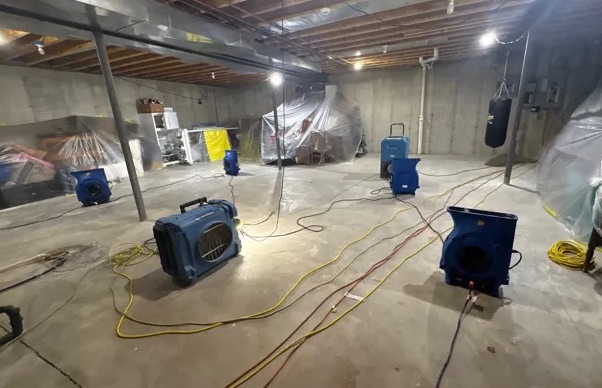
Basement Water Extraction in Summit works differently in finished and unfinished basements. Bare concrete can be pumped and dried. Finished spaces hide water under flooring and behind drywall.
Homeowners in Summit can call (414) 348-0250 day or night when water is rising in the basement. Service also covers Dousman, Oconomowoc and Nashotah, with the same pump-out and drying steps.
Detailed Basement Water Extraction Offerings in Summit, WI
Sump Pump Failure Water Removal
Water from a failed sump is usually clean at first, but it picks up dirt from the floor. It is extracted and the area cleaned before drying.
Basement Sewage Backup Cleanup
After a sewage backup, carpet, pad and lower drywall it touched are removed and bagged, and concrete and framing are disinfected.
Foundation Leak Water Extraction
Water seeping through cracks or the wall-to-floor joint is extracted from the floor, and wet drywall and insulation along that wall are opened up.
Emergency Basement Drying
Fast drying keeps a wet basement from turning into a musty one. Equipment is adjusted daily based on moisture readings.
Basement Carpet Water Removal
Basement carpet is extracted with weighted tools to press water out of the pad. Pad on concrete usually has to be replaced.
Warning Signs of a Basement Flood in Summit
Damp or Wet Carpeting
Carpet that feels damp or cold underfoot is holding water in the pad against the concrete.
Sewage Odor or Backflow
Sewage smells or water coming up through a floor drain mean the sewer line is backing up.
Sump Pump Running Constantly
A sump pump that never stops running may be struggling with high groundwater or failing.
Efflorescence on Foundation Walls
White, powdery deposits on foundation walls mean water is moving through the concrete.
How Basement Water Extraction Works in Summit
Step 1: Water Removal and Pump Out
Power is made safe, then deep water is pumped outside away from the foundation.
Step 2: Detailed Damage Assessment
The type of water, the height it reached and the materials affected are recorded.
Step 3: Structural Drying Procedures
Wet drywall and pad are removed where needed, and walls and slab are dried with directed air.
Step 4: Content Cleanup and Air Scrubbing
Wet belongings are sorted and air scrubbers filter dust and odor while drying continues.
Frequent Reasons for Basement Water Extraction in Summit
Appliance Malfunctions and Overflows
Washers, utility sinks and dehumidifier drains in the basement can overflow or leak.
Sump Pump Failure or Overflow
A sump pump that fails, loses power or is overwhelmed lets groundwater rise into the basement.
Heavy Rainfall or Storm Flooding
Heavy rain saturates the soil around the foundation and pushes water into the basement.
Faulty or Leaking Plumbing
Leaking supply lines, drain pipes and water heaters in the basement soak floors and walls.
Basement Water Extraction for Homes and Businesses in Summit
Residential Basement Water Extraction
Older homes with a basement may have seepage that returns each heavy storm. Extraction handles the current water, and the entry point is noted for a waterproofing contractor.
Commercial Basement Water Extraction
Apartment buildings with shared basements need each storage and laundry area extracted and dried, with records kept for the building manager.
Why DIY Basement Water Extraction Often Falls Short in Summit
Checking appliance hoses and keeping downspouts pointed away from the house are good DIY steps before storm season. Once water is on the floor, call (414) 348-0250.
Pricing Considerations for Basement Water Extraction in Summit
The cost of basement water extraction in Summit depends on how deep the water is, whether it is clean or sewage, and how much finished material must be removed.
Specialized Equipment Needs
Large pumps, extra dehumidifiers or air scrubbers for sewage jobs add to equipment costs.
Mold Prevention Measures
Antimicrobial treatment of framing and concrete that stayed wet is an added step.
Water Source and Category
Clean water costs less to remove than sewage, which needs protective gear and disinfection.
Does Insurance Cover Basement Water Extraction?
Photograph the water level, belongings and appliances before cleanup starts, and keep receipts for emergency pumping and extraction to send to your adjuster.
Selecting Local Pros for Your Basement Water Extraction Needs
Mold Prevention Approach
Fast drying is the main way to limit microbial growth in a below-grade space.
Detailed Damage Documentation
Photos, readings and drying logs are kept to support your insurance claim.
Industry Drying Standards
Extraction and drying follow industry water damage standards, with readings at every visit.
Emergency Basement Flood Response in Summit
Water rising in your basement in Summit? Shut off power to the basement if it is safe, move what you can and call (414) 348-0250. Help is available 24/7.
Call Now (414) 348-0250Areas Covered by Basement Water Extraction Professionals
The places below are also served, and each one has its own page.
Your Basement Water Extraction Questions Addressed
What is involved in basement water extraction?
Making power safe, pumping out deep water, extracting carpet and floors, opening wet walls and starting dehumidification.
Are basement drying services needed after a small leak?
Often yes. Even a small leak can wet carpet pad, drywall and the slab, which stay damp without proper drying.
What happens during foundation leak water extraction?
Water is removed from the floor along the leaking wall, wet drywall and insulation are opened, and the area is dried.
Why is 24/7 emergency flood cleanup important for basements?
Basements flood during storms and at night. Starting extraction limits how much has to be removed.
What makes sewage backup cleanup different?
Sewage carries bacteria, so it needs protective gear, containment, removal of porous materials and disinfection before drying.