Glendale, WI · Milwaukee County
Emergency Water Extraction in Glendale, WIFlooded Basement Water Removal & Wet Drywall Water Removal
Emergency Water Extraction in Glendale runs from standing water removal and emergency flood water extraction to wet drywall water removal.
Answered 24/7
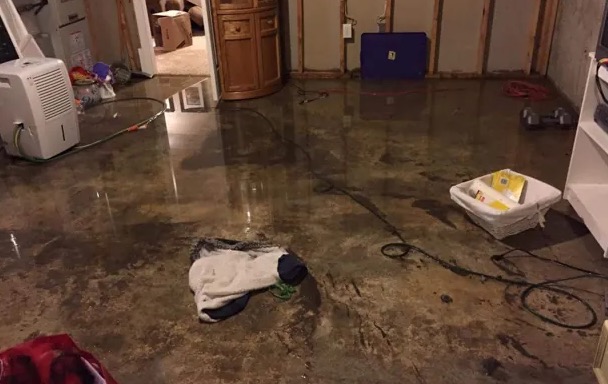
Professional Emergency Water Extraction in Glendale, WI
Emergency Water Extraction in Glendale comes with a record. Photos of the water, the source and the damage are taken from the start, along with moisture readings and daily drying logs.
A burst pipe in Glendale can flood several rooms quickly. Local water removal experts serve Glendale and nearby Whitefish Bay, Fox Point and Shorewood, with extraction available around the clock.
Emergency Water Extraction and Damage Mitigation in Glendale
Flooded Basement Water Removal
A flooded lower level is pumped out, then carpet, pad and wet drywall are extracted or removed and the space is dried with dehumidifiers.
Wet Drywall Water Removal
Small holes near the base of the wall let dry air into the cavity, which dries the studs and back of the drywall.
Emergency Water Damage Cleanup
Emergency cleanup covers the water, the wet debris and the belongings in the way, so drying equipment can be placed right away.
Emergency Flood Water Extraction
Pumping starts at the lowest point of the flooded area and continues until no standing water remains anywhere inside.
Standing Water Removal
Standing water on any floor is pumped or extracted as soon as the source is stopped and power is made safe.
Red Flags for Water Damage in Glendale
Buckling Hardwood Floors
Hardwood that cups or buckles has absorbed water from a leak above or below it.
Soggy or Wet Carpeting
Carpet that squishes or feels cold and wet underfoot is holding water in the pad below.
High Indoor Humidity Levels
A room that feels humid and clammy after a leak still has wet materials releasing moisture.
Sump Pump Failure or Overflow
A sump pit that is full or overflowing means groundwater is about to spread across the lower level.
How Emergency Water Extraction Works in Glendale
Step 1: Call for 24/7 Water Extraction
You call any hour, and advice is given on shutting off water and power before work starts.
Step 2: On-Scene Analysis and Plan
The source, the type of water and the wet area are checked, and the extraction plan is set.
Step 3: Primary Flood Water Extraction
Pumps and extractors remove standing water, starting with the deepest and most damaging areas.
Step 4: Detailed Documentation Phase
Photos and moisture readings record the damage, and drying equipment is placed for the next phase.
Common Causes of Water Damage in Glendale
Roof Leaks From Storm Damage
Storm-damaged roofs let rain pour into attics and through ceilings into the rooms below.
Appliance Malfunctions and Overflows
Washers, dishwashers, water heaters and refrigerator lines fail and flood the floor around them.
Sewage System Backup
A blocked sewer line pushes wastewater up through floor drains, tubs and toilets.
Foundation Cracks and Seepage
Foundation cracks let groundwater seep into lower levels during long wet spells.
Both Residential & Commercial Emergency Water Extraction in Glendale
Residential Emergency Water Extraction
In two-story homes, water from an upstairs leak can reach the ceiling and rooms below. Both levels are extracted and dried.
Commercial Emergency Water Extraction
Commercial buildings with sprinkler discharges may have water on several floors. Each floor is extracted in order, starting with the wettest.
Professional Emergency Water Extraction Over DIY in Glendale
A shop vac picks up shallow water on hard floors, but it cannot pull water from carpet pad, wall cavities or subfloors. Those need professional extraction equipment.
Cost Considerations for Emergency Water Extraction in Glendale
After-hours calls, contents handling and drywall or carpet removal all add to the total for emergency water extraction in Glendale.
Necessary Demolition Work
Carpet pad, drywall and flooring that must be removed add labor and disposal costs.
Required Drying Time
Drying usually takes several days, and each extra day of equipment adds to the total.
Contents and Materials
Furniture, belongings and stock that must be moved or protected add labor to the job.
Does Insurance Cover Emergency Water Extraction?
Coverage for emergency water extraction depends on the cause and your policy. The pros document the damage and drying, and your insurer decides what is covered.
Benefits of Local Emergency Water Extraction in Glendale
Structural Drying
Walls, subfloors and framing are dried until readings are normal, not just the visible surfaces.
Moisture Mapping
Meters and thermal cameras show where water spread under floors and inside walls.
Clear Communication
You get plain updates on what was extracted, what was removed and how drying is going.
Round-the-Clock Emergency Water Extraction in Glendale, WI
Night, weekend or holiday, local water removal experts handle water emergencies in Glendale. Call (414) 348-0250 any time to talk through the next steps.
Call Now (414) 348-0250Local Emergency Water Extraction Coverage for Glendale, Whitefish Bay, Fox Point and Shorewood
Help with emergency water extraction is also available in communities near Glendale, including Whitefish Bay, Fox Point and Shorewood, for floods, burst pipes and sewage backups.
- Emergency Water Extraction in Whitefish Bay
- Emergency Water Extraction in Fox Point
- Emergency Water Extraction in Shorewood
- Emergency Water Extraction in Brown Deer
- Emergency Water Extraction in Wauwatosa
- Emergency Water Extraction in Butler
- Emergency Water Extraction in Mequon
- Emergency Water Extraction in Thiensville
- Emergency Damage Restoration in 53209
- Storm Damage Restoration in 53209
- Water Damage Restoration in 53209
- Water Extraction Service in 53209
- Water Leak Detection in 53209
- Water Removal Service in 53209
Emergency Water Extraction FAQ Guide
How long does drying take after extraction?
Often several days, depending on the materials, the type of water and how long it sat.
How is wet drywall handled during water removal?
Lightly damp drywall is dried through small holes near the base. Soaked drywall is cut out so the cavity can dry.
Can water extraction prevent mold after a flood?
Fast extraction and drying are the main ways to keep mold from starting after a flood.
What follows the initial emergency water extraction?
Structural drying with air movers and dehumidifiers, daily readings and repairs once the building is dry.
How should flood water extraction begin?
As soon as the source is stopped and power is safe. Water soaks deeper into materials every hour it sits.