Whitefish Bay, WI · Milwaukee County
Basement Water Damage Restoration in Whitefish Bay, WIBasement Wall Drying & Basement Sewer Backup Cleanup
Basement Water Damage Restoration in Whitefish Bay runs from basement water extraction and basement floor water removal to basement dehumidification.
Answered 24/7
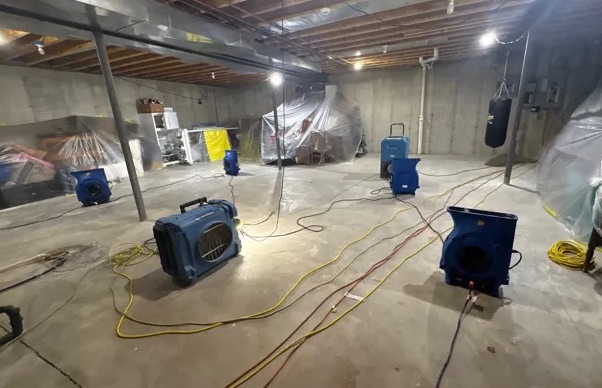
Basement Water Damage Restoration Solutions in Whitefish Bay, Wisconsin
Basement Water Damage Restoration in Whitefish Bay covers finished and unfinished basements. A bare concrete basement can often be pumped and dried. A finished one usually needs carpet, pad and lower drywall removed so the walls and slab can dry.
One burst pipe or heavy storm in Whitefish Bay can flood a basement. Local water damage pros serve Whitefish Bay and nearby Glendale, Shorewood and Fox Point, with help available around the clock.
Basement Water Damage Restoration Solutions Available in Whitefish Bay
Basement Wall Drying
Concrete and block walls are dried with directed airflow and dehumidifiers, and checked with meters until readings drop.
Basement Sewer Backup Cleanup
Sewage that backs up through a floor drain or toilet is extracted with protective gear, and the area is contained from the rest of the house.
Basement Mold Prevention
Keeping basement humidity low after drying helps prevent mold from returning, especially in finished spaces.
Basement Water Extraction
Basement water is removed before drying starts, because every gallon left behind keeps the walls and air damp.
Basement Drying Services
Drying a basement takes longer than drying an upper floor because the air is cool and the concrete holds moisture.
How to Know You Need Basement Water Damage Restoration in Whitefish Bay
Peeling Paint or Wallpaper
Paint that peels or blisters on basement walls often has moisture behind it.
Mold on Surfaces
Dark spots on drywall, framing or stored boxes mean the area has stayed wet for days.
Wet or Stained Basement Walls
Dark, wet patches or tide lines on basement walls show where water seeped in or wicked up.
High Humidity Levels Below-Grade
A basement that stays damp and clammy even on dry days has a moisture source that needs attention.
How Basement Water Damage Restoration Works in Whitefish Bay
Step 1: Initial Assessment and Water Removal
The source and type of water are identified, and standing water is removed right away.
Step 2: Focused Drying of Materials
Walls, framing and the slab are dried with directed airflow, with wet insulation removed.
Step 3: Air Quality Management
Air scrubbers filter dust and odors from removal work while drying continues.
Step 4: Documentation for Restoration
Photos, readings and a list of removed materials are prepared for insurance and rebuilding.
What Causes Basement Water Damage Restoration in Whitefish Bay
HVAC Condensate Line Overflow
A clogged furnace or air conditioner condensate line can overflow onto the floor of a basement or lower-level utility room.
Clogged Floor Drains
A floor drain blocked by debris cannot carry off water from a leak or overflow, so it spreads across the basement floor.
Window Well Flooding
Window wells without drains or covers fill with rain and leak through basement windows.
Stormwater Runoff Into Lower Levels
Heavy rain running off hard ground or a sloped yard can pour down stairwells and under doors into below-grade rooms.
Residential and Commercial Basement Water Damage Restoration in Whitefish Bay
Residential Basement Water Damage Restoration
In homes, a flooded basement often means damaged carpet, drywall, a furnace or water heater and stored belongings. Water is pumped out, contents are moved and the space is dried.
Commercial Basement Water Damage Restoration
In commercial buildings, basements hold mechanical rooms, storage and sometimes offices. Water is removed and equipment areas are dried so systems can be checked and restarted.
Basement Water Damage Restoration: Professional Help vs. Doing It Yourself in Whitefish Bay
Sewage in a basement should not be cleaned up without gloves, boots and eye protection. For any backup through a floor drain or toilet, call local water damage pros.
Understanding Basement Water Damage Restoration Pricing in Whitefish Bay
Waterproofing or sump pump replacement is a separate cost from water removal and drying. In Whitefish Bay, both may be needed to prevent a repeat.
Dehumidification Needs
Large dehumidifiers may need to run longer in below-grade spaces than in upper floors.
Emergency Service
Night, weekend and storm calls can cost more than a scheduled visit.
Drying Time Required
Basements dry slowly, and longer drying means more equipment days and monitoring visits.
Does Insurance Cover Basement Water Damage Restoration?
Coverage for basement water damage restoration depends on where the water came from and your policy terms. The pros document the damage, and your insurer decides what is covered.
Reasons to Hire Local Pros for Basement Water Damage Restoration in Whitefish Bay
Water Type Handling
Clean water, gray water and sewage are each handled with the right protection and removal steps.
Mold Prevention Focus
Fast drying is the main way to limit microbial growth in a below-grade space.
Water Extraction First
Water is removed from floors, carpet and pad before drying starts, which shortens drying time.
Emergency Basement Water Damage Restoration Available in Whitefish Bay
Every hour of standing water in a basement means more drywall and flooring to replace. Call (414) 348-0250 for basement water damage restoration in Whitefish Bay.
Call Now (414) 348-0250Basement Water Damage Restoration Near Whitefish Bay: Areas Served
Nearby areas served for basement water damage restoration include Glendale, Shorewood and Fox Point, with the same pumping and drying steps used in Whitefish Bay.
- Basement Water Damage Restoration in Glendale
- Basement Water Damage Restoration in Shorewood
- Basement Water Damage Restoration in Fox Point
- Basement Water Damage Restoration in Brown Deer
- Basement Water Damage Restoration in Wauwatosa
- Basement Water Damage Restoration in Butler
- Basement Water Damage Restoration in Mequon
- Basement Water Damage Restoration in Thiensville
Frequently Asked Questions About Basement Water Damage Restoration
Why is dehumidification so important after basement water removal?
Basements hold moisture in the air and concrete. Without dehumidifiers, walls and framing stay damp long after the water is gone.
Is basement floor water removal different from carpet extraction?
Yes. Bare concrete is squeegeed and dried, while carpet and pad need extraction, and the pad is usually replaced.
What does below-grade moisture removal include beyond pumping?
Extracting carpet and pad, opening wet walls, running air movers and dehumidifiers, and checking readings until dry.
How soon should I call for basement water extraction after a leak?
Right away. Water wicks up drywall and soaks framing within hours, and below-grade spaces are slow to dry.
What are signs of hidden moisture after below-grade water extraction?
Musty smells, tide lines on walls, damp carpet edges and moisture readings that stay high in walls or the slab.