Glendale, WI · Milwaukee County
Basement Water Damage Restoration in Glendale, WIBasement Drying Services & Emergency Basement Flood Cleanup
Basement Water Damage Restoration in Glendale runs from basement water extraction and basement floor water removal to basement dehumidification.
Answered 24/7
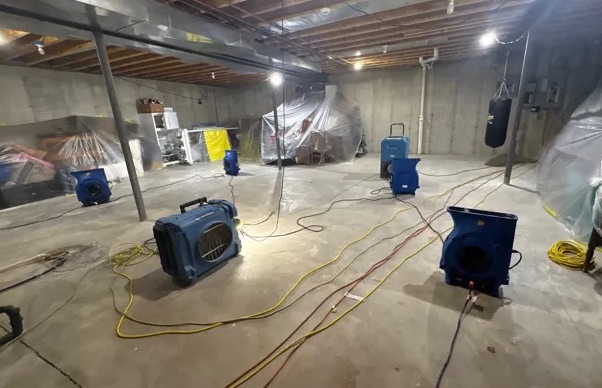
Basement Water Damage Restoration for Glendale Homes
In a Glendale home with a basement and a sump pump, a pump that fails during heavy rain lets water rise fast. Furnaces, water heaters, washers and stored belongings all sit at floor level and take the damage first.
Homes in Glendale and nearby Whitefish Bay, Fox Point and Shorewood with basements deal with seepage, plumbing leaks and sewer backups. Help with basement water damage restoration covers pumping, removal of wet materials and drying of walls and concrete.
Professional Basement Water Damage Restoration Offered in Glendale
Basement Drying Services
Air movers and dehumidifiers are placed to dry walls, framing and the slab. Below-grade rooms dry slowly, so readings are taken daily.
Emergency Basement Flood Cleanup
A flooded basement can damage furnaces, water heaters and stored items quickly. Fast pumping limits how much is lost.
Basement Wall Drying
Finished basement walls hide wet insulation and framing. Removing the bottom of the drywall lets air reach the cavity.
Basement Water Extraction
Basement water is removed before drying starts, because every gallon left behind keeps the walls and air damp.
Basement Mold Prevention
Fast extraction and drying are the main ways to limit microbial growth in a basement. Surfaces that stayed wet can be treated once dry.
Signs of Basement Water Damage in Glendale
Peeling Paint or Wallpaper
Paint that peels or blisters on basement walls often has moisture behind it.
Mold on Surfaces
Dark spots on drywall, framing or stored boxes mean the area has stayed wet for days.
Sewage Odors or Backups
Sewage smells or water coming up through a floor drain mean the sewer line is backing up.
Rusted Appliances or Pipes
Rust on the water heater, furnace base or pipes points to repeated moisture or past flooding.
How Basement Water Damage Restoration Works in Glendale
Step 1: Water Removal
Pumps and extractors remove standing water from the basement floor, starting at the lowest point.
Step 2: Targeted Moisture Evaporation
Air movers are aimed at wet walls, framing and the slab to speed evaporation.
Step 3: Humidity Control
Large dehumidifiers pull moisture from the basement air, with readings checked every day.
Step 4: Final Verification and Restoration
Final readings confirm the basement is dry, and the space is ready for drywall and flooring repairs.
Typical Sources of Basement Water Damage in Glendale
Faulty Basement Waterproofing
Old or failed waterproofing on foundation walls lets water through during wet weather.
Sewer Line Backups
A blocked or overloaded sewer line pushes wastewater up through basement drains and toilets.
Failed or Clogged Drain Tile
Clogged or collapsed drain tile around the foundation lets water build up against the walls.
Foundation Cracks and Leaks
Cracks in foundation walls let groundwater and melting snow seep into the basement.
Home and Business Basement Water Damage Restoration in Glendale
Residential Basement Water Damage Restoration
In homes, a flooded basement often means damaged carpet, drywall, a furnace or water heater and stored belongings. Water is pumped out, contents are moved and the space is dried.
Commercial Basement Water Damage Restoration
In commercial buildings, basements hold mechanical rooms, storage and sometimes offices. Water is removed and equipment areas are dried so systems can be checked and restarted.
When to DIY and When to Call the Pros for Basement Water Damage Restoration
You can move belongings off the floor and run a household dehumidifier. Drying soaked walls and slabs needs larger equipment and moisture readings to confirm the space is truly dry.
Basement Water Damage Restoration Cost in Glendale, WI
Waterproofing or sump pump replacement is a separate cost from water removal and drying. In Glendale, both may be needed to prevent a repeat.
Emergency Service
Night, weekend and storm calls can cost more than a scheduled visit.
Affected Square Footage
Larger basements need more extraction, more drying equipment and more days of drying time.
Secondary Damage
Damage to furnaces, water heaters and belongings adds repair and replacement costs.
Does Insurance Cover Basement Water Damage Restoration?
Photograph the water level, damaged belongings and appliances before cleanup starts, and keep receipts for emergency pumping and drying to send to your insurer.
Why Choose Local Pros for Basement Water Damage Restoration in Glendale
24/7 Emergency Response
Help is available day or night when water is rising in the basement.
Water Extraction First
Water is removed from floors, carpet and pad before drying starts, which shortens drying time.
Advanced Moisture Detection
Moisture meters and thermal cameras find water in walls and slabs that looks dry.
24/7 Emergency Basement Water Damage Restoration in Glendale
Storm night, weekend or holiday, local restoration pros handle flooded basements in Glendale. Call (414) 348-0250 to get the pumps running and the water out.
Call Now (414) 348-0250Local Basement Water Damage Restoration Coverage: Glendale and Beyond
Help with basement water damage restoration reaches Whitefish Bay, Fox Point and Shorewood, plus other communities around Glendale, for finished and unfinished basements alike.
- Basement Water Damage Restoration in Whitefish Bay
- Basement Water Damage Restoration in Fox Point
- Basement Water Damage Restoration in Shorewood
- Basement Water Damage Restoration in Brown Deer
- Basement Water Damage Restoration in Wauwatosa
- Basement Water Damage Restoration in Butler
- Basement Water Damage Restoration in Mequon
- Basement Water Damage Restoration in Thiensville
- Emergency Damage Restoration in 53209
- Storm Damage Restoration in 53209
- Water Damage Restoration in 53209
- Water Extraction Service in 53209
- Water Leak Detection in 53209
- Water Removal Service in 53209
Basement Water Damage Restoration FAQs
Is basement floor water removal different from carpet extraction?
Yes. Bare concrete is squeegeed and dried, while carpet and pad need extraction, and the pad is usually replaced.
Why is dehumidification so important after basement water removal?
Basements hold moisture in the air and concrete. Without dehumidifiers, walls and framing stay damp long after the water is gone.
How soon should I call for basement water extraction after a leak?
Right away. Water wicks up drywall and soaks framing within hours, and below-grade spaces are slow to dry.
What is the purpose of basement wall drying?
To remove water from drywall, insulation, framing and concrete so the walls can be repaired without trapping moisture.
How is basement sewer backup cleanup different from regular flooding?
Sewage carries bacteria, so it needs protective gear, removal of porous materials and disinfection before drying.