Whitefish Bay, WI · Milwaukee County
Attic Water Removal in Whitefish Bay, WIAttic Mold Prevention & Attic Moisture Inspection
For a storm leak, Attic Water Removal in Whitefish Bay means emergency attic water extraction, roof leak water removal and attic moisture inspection.
Answered 24/7
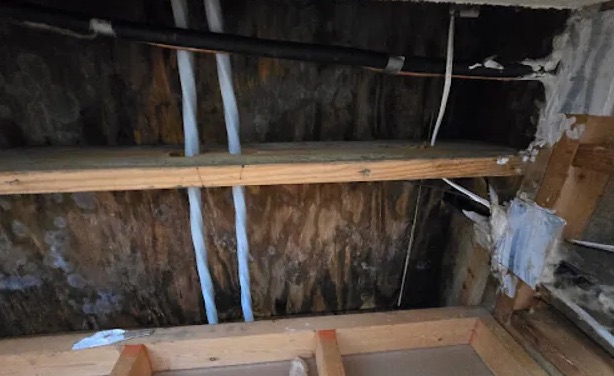
Professional Attic Water Removal in Whitefish Bay, WI
A ceiling stain in a Whitefish Bay home is usually the last sign of an attic leak, not the first. By the time it shows, insulation and decking above may already be wet across a wide area.
A heavy storm in Whitefish Bay can push water into an attic overnight. Local water extraction specialists serve Whitefish Bay and nearby Glendale, Shorewood and Fox Point, with help available around the clock.
Detailed Attic Water Removal Solutions
Attic Mold Prevention
After drying, wood that was wet for more than a day or two can be treated with an antimicrobial to slow microbial growth.
Attic Moisture Inspection
The inspection shows the full spread of the leak, so every wet area is either dried or removed.
Attic Leak Water Cleanup
Cleanup focuses on the low spots where water collects: the bays between joists, the area around the hatch and the space under an air handler.
Ceiling Water Damage Cleanup
Fallen drywall, wet insulation and debris in the room below are cleaned up, and floors and furniture are protected during the work.
Wet Attic Insulation Removal
Fiberglass batts are lifted out by hand, while wet blown-in insulation is vacuumed with a high-powered insulation vacuum.
When to Consider Attic Water Removal in Whitefish Bay
Rotting Wood on Attic Beams
Soft, dark or crumbling wood on rafters and beams points to long-term moisture.
Musty Odors in Your Home
A musty smell upstairs or at the attic hatch often points to wet insulation or damp wood above.
Water Stains on Ceiling
A brown ring or yellow patch on an upstairs ceiling usually means water is sitting on the drywall from the attic.
Water Dripping From Light Fixtures
Water dripping from a ceiling light or fan means an active leak above. Turn off that circuit.
How Attic Water Removal Works in Whitefish Bay
Step 1: Initial Attic Water Damage Assessment
The pros check safety, find the source and map the wet area with moisture meters.
Step 2: Bulk Water and Material Removal
Pooled water, soaked insulation and any sagging drywall are removed from the attic and ceiling.
Step 3: Attic Drying and Evaporation
Warm, dry airflow is aimed at wet wood, with dehumidifiers removing the moisture it releases.
Step 4: Attic Mold Prevention
Once dry, decking and framing that stayed wet can be cleaned and treated with an antimicrobial.
Frequent Sources of Attic Water Damage in Whitefish Bay
Storm Damage From High Winds or Hail
High winds and hail can damage shingles and open the roof to rain during a storm.
Roof Leaks From Damaged Shingles
Cracked, missing or lifted shingles let rain reach the decking and drip into the attic.
Flashing Failures Around Roof Penetrations
Failed flashing around vents, chimneys and skylights lets rain run into the attic.
Overflow From Clogged Bathroom Exhaust Ducts
Bathroom fan ducts that are loose or vented into the attic release moisture onto the wood.
Residential and Commercial Attic Water Removal in Whitefish Bay
Residential Attic Water Removal
In townhomes and condos, a shared attic can carry water into a neighbor's ceiling. Clear photos and readings help sort out repairs with the association.
Commercial Attic Water Removal
Property managers get records for each affected suite or unit, which helps with roof repair planning and insurance claims.
Attic Water Removal vs. DIY: When to Call the Pros
If the ceiling is bulging, keep people out of the room and place a bucket nearby. Local water extraction specialists can drain and remove it in a controlled way.
Factors Influencing Attic Water Removal Cost
Tight attic access, blown-in insulation removal and storm-night calls all add to the total for attic water removal in Whitefish Bay.
Water Contamination Level
Clean rainwater is simpler to handle than water from a drain line or other dirty source.
Type of Insulation Affected
Blown-in insulation takes more time to remove than batts, and both add disposal costs.
Emergency Service Timing
Storm, night and holiday calls can cost more than a scheduled visit.
Does Insurance Cover Attic Water Removal?
Ceiling damage in the rooms below is usually part of the same attic claim. Make sure the adjuster sees both spaces.
Selecting Local Pros in Whitefish Bay for Attic Water Removal
Industry Drying Standards
Drying follows industry water damage standards, with moisture readings taken at every visit.
24/7 Emergency Response
Help is available day or night when water is coming through the ceiling.
Mold Inhibitor Application
Wood that stayed wet can be treated with an antimicrobial after it is dried.
Round-the-Clock Attic Water Removal for Whitefish Bay
Wet insulation keeps the ceiling soaking every hour it stays. Call (414) 348-0250 for attic water removal in Whitefish Bay as soon as you see a stain or drip.
Call Now (414) 348-0250Attic Water Removal Near Whitefish Bay: Areas Served
Besides Whitefish Bay, the specialists remove attic water, wet insulation and soaked ceiling drywall in nearby Glendale, Shorewood and Fox Point.
Attic Water Removal Questions and Answers
What is involved in attic water removal?
Stopping the source, removing pooled water, bagging wet insulation, drying the framing and decking, and checking the ceiling below.
Do I need ceiling water damage cleanup too?
Usually. Water in the attic soaks the ceiling below, which needs to be checked and dried or replaced.
How can mold be prevented after attic water removal?
By drying wood quickly, fixing ventilation problems and treating framing that stayed wet with an antimicrobial.
Can I remove attic water myself?
Only small amounts that are easy to reach safely. Pooled water and soaked insulation need safe footing and drying equipment.
How long does attic drying take?
Often several days, depending on how wet the wood is, the attic temperature and how much insulation was removed.