Whitefish Bay, WI · Milwaukee County
Bathroom Water Removal in Whitefish Bay, WIWet Bathroom Drywall Removal & Emergency Bathroom Water Extraction
Bathroom Water Removal in Whitefish Bay includes emergency bathroom water extraction, wet bathroom drywall removal and water damaged subfloor removal.
Answered 24/7
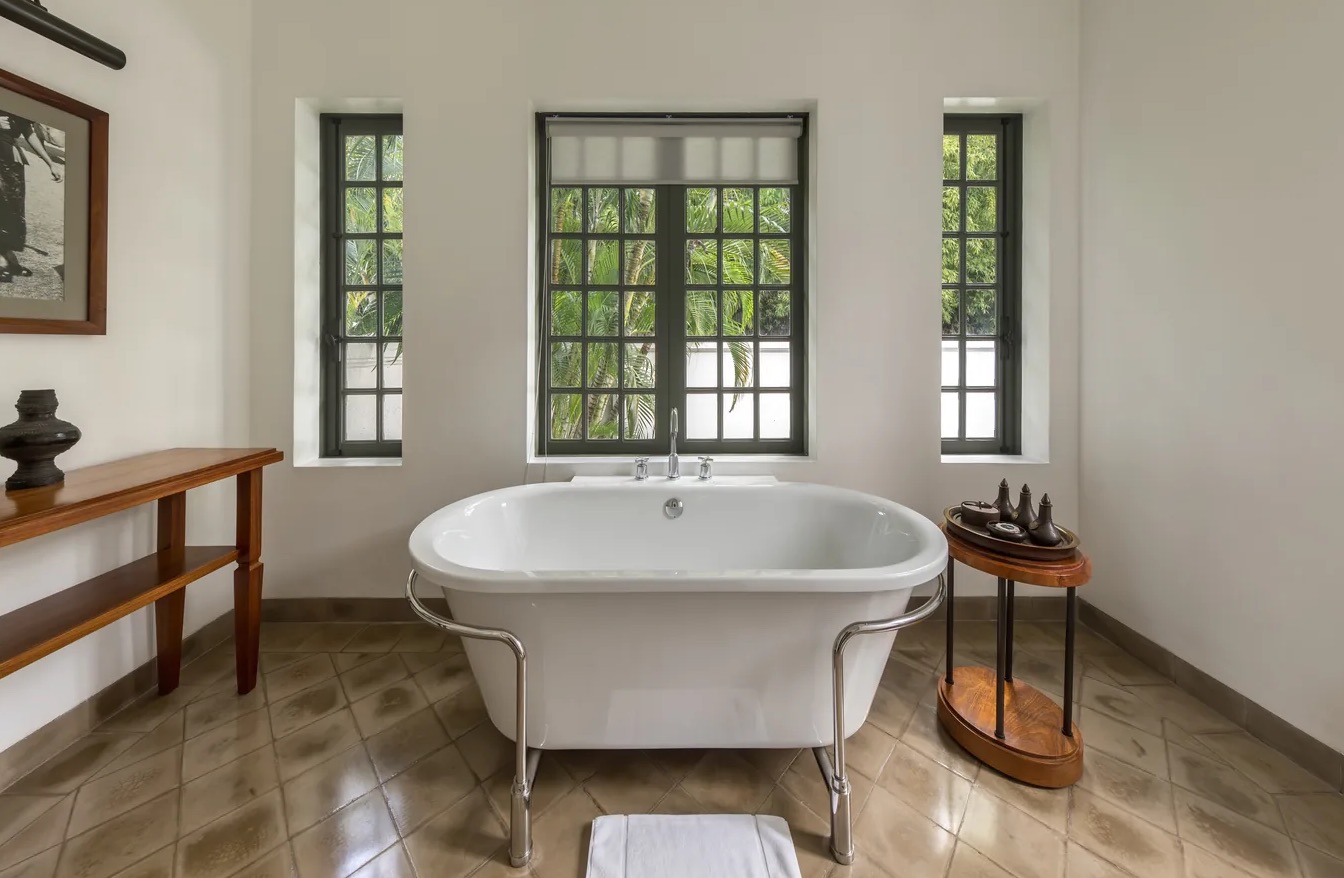
Expert Bathroom Water Removal for Whitefish Bay Homes
A soft spot in the floor next to the toilet is one of the most common bathroom problems in Whitefish Bay. It usually means a worn wax ring has let water seep into the subfloor for months.
In Whitefish Bay, Glendale, Shorewood and Fox Point, older bathrooms often have worn shower pans and wax rings. The pros find the water they let into floors and walls and dry it out.
Comprehensive Bathroom Water Removal Services for Whitefish Bay
Wet Bathroom Drywall Removal
Drywall that wicked water behind a tub, toilet or vanity is cut back above the wet line, so the studs and insulation behind it can dry.
Emergency Bathroom Water Extraction
Water left overnight in a bathroom can soak the subfloor and drip through the ceiling below. Fast extraction keeps it contained.
Bathroom Leak Water Cleanup
Wet towels, rugs and stored items are moved out, and standing water is vacuumed from tile and grout lines before drying starts.
Shower Leak Water Damage Repair
A shower leak is opened up so the wet wall and floor can dry. The source, such as a cracked pan or failed grout, is documented for repair.
Water Damaged Subfloor Removal
Removing the toilet and some flooring may be needed to reach a wet subfloor. The framing below is checked for damage.
Signs Your Bathroom Needs Water Removal in Whitefish Bay
Toilet Running Continuously
A toilet that runs or refills on its own may be leaking water into the bowl or onto the floor.
Spongy or Soft Floor Tiles
Tiles that feel loose or spongy underfoot usually sit on a wet or weakened subfloor.
Water Pooling on Bathroom Floor
Water collecting on the bathroom floor after use means a fixture, seal or supply line is leaking.
Musty Odors in the Bathroom
A musty smell that stays after the fan runs points to hidden moisture in the floor or walls.
How Bathroom Water Removal Works in Whitefish Bay
Step 1: Safety and Assessment
Power to wet outlets and fans is shut off, and the floor is checked for soft spots before work.
Step 2: Targeted Water Extraction
Water is removed from grout lines, the vanity base and around the toilet and tub.
Step 3: Drying Strategy
Equipment is placed for the subfloor, wall cavities and the ceiling below if it got wet.
Step 4: Documentation for Insurance
Photos, readings and a list of removed materials are prepared for your claim.
Frequent Sources of Bathroom Water Damage in Whitefish Bay
Burst or Leaking Pipes in Walls
Pipes inside bathroom walls can crack from age or cold weather and leak out of sight.
Failed Shower or Tub Sealant
Old or cracked caulk around tubs and showers lets water seep into the wall and floor.
Leaking Supply Lines or Valves
Supply lines and shut-off valves under sinks and behind toilets wear out and leak.
Loose or Cracked Toilet Base
A toilet that rocks breaks its wax seal, letting water out with each flush.
Residential and Commercial Bathroom Water Removal in Whitefish Bay
Residential Bathroom Water Removal
In condos and apartments, a bathroom leak can reach the unit below. Fast extraction and clear records help sort out repairs with neighbors and the association.
Commercial Bathroom Water Removal
Property managers get photos and readings for each affected unit, which helps with plumbing repairs and insurance claims across the building.
Bathroom Water Removal vs. DIY: When to Call the Pros
Recaulking a tub and replacing a wax ring are reasonable DIY repairs. If the subfloor is already soft or the wall is wet, it needs drying or replacement first.
Cost Considerations for Bathroom Water Removal in Whitefish Bay
Plumbing repairs and new tile or flooring are billed separately from water removal and drying. In Whitefish Bay, both are usually needed.
Moisture Inspection Depth
Checking the ceiling below and adjoining rooms adds inspection time but finds hidden damage.
Emergency Service Timing
Night, weekend and holiday calls can cost more than a scheduled weekday visit.
Mold Prevention Measures
Antimicrobial treatment of framing that stayed wet is an added step priced by area.
Does Insurance Cover Bathroom Water Removal?
Insurers often ask how long a leak ran. Notes on the source and the condition of the subfloor help show whether it was sudden or gradual.
Benefits of Local Pros for Bathroom Water Removal in Whitefish Bay
Source Identification
The leaking fixture or seal is identified so the plumber knows what to repair.
Mold Prevention Focus
Fast drying is the main way to limit microbial growth in a room that is humid every day.
24/7 Emergency Response
Help is available day or night when a toilet overflows or a supply line bursts.
Emergency Bathroom Water Removal Available 24/7 in Whitefish Bay
Bathroom flooding in Whitefish Bay? Shut off the valve behind the toilet or under the sink, keep people out and call (414) 348-0250. Help is available 24/7.
Call Now (414) 348-0250Bathroom Water Removal Coverage in and Around Whitefish Bay
Bathroom water removal and drying also cover homes and businesses in Glendale, Shorewood and Fox Point, close to Whitefish Bay, day or night.
Bathroom Water Removal FAQs
Are bathroom drying services noisy or disruptive?
Air movers and dehumidifiers make steady noise, but in a bathroom the equipment is small and the door can often be closed.
How is bathroom water damage documented for insurance?
With photos of the damage, moisture readings, a list of removed materials and daily drying logs.
How quickly should bathroom flood cleanup start?
Right away. Bathroom water reaches the subfloor and the ceiling below within hours, and those materials take days to dry.
When is wet bathroom drywall removal necessary?
When drywall is soaked, soft, stained by toilet water or has been wet for days. Lightly damp drywall can sometimes be dried.
Can bathroom mold remediation be done separately from water removal?
Water removal and drying come first. Any cleanup of mold is done after the source is fixed and materials are dry.