Franklin, WI · Milwaukee County
Warehouse Water Damage Restoration in Franklin, WIWarehouse Inventory Water Damage & Warehouse Mold Remediation
Warehouse Water Damage Restoration in Franklin involves warehouse water damage cleanup, warehouse structural drying, and warehouse equipment drying to minimize downtime.
Answered 24/7
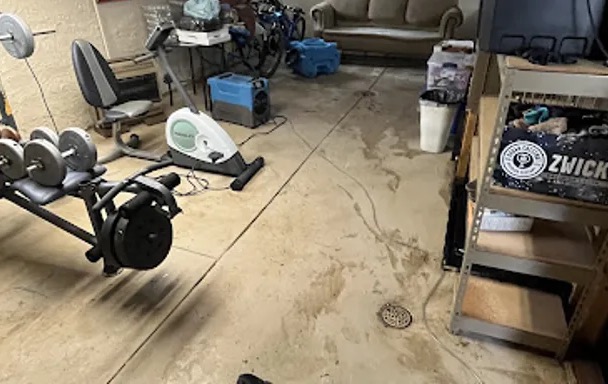
Expert Warehouse Water Damage Restoration Services for Franklin
Untreated water damage in warehouses can weaken floors, damage stored goods, and create hazardous mold, posing significant business risks. Local warehouse water extraction pros prioritize action, initiating warehouse water damage cleanup and moisture removal to limit secondary damage.
Warehouse water damage restoration is a critical service for industrial and storage facilities in Franklin, where water intrusion can halt operations and damage valuable stock. Local warehouse water damage pros provide warehouse flood water extraction and structural drying to restore functionality, serving businesses here and in nearby areas like Hales Corners, Greendale and Muskego.
Detailed Warehouse Water Damage Restoration Offerings in Franklin
Warehouse Inventory Water Damage
Pros in Franklin sort pallets and items into those that can be dried, those that need freeze-drying and total losses, and document it all for your insurance claim.
Warehouse Mold Remediation
If mold develops in a wet warehouse, remediation protocols are followed. The area is contained, and affected porous materials are removed.
Warehouse Equipment Drying
Warehouse equipment drying evaluates machinery to prevent corrosion. Controlled drying of electrical systems and forklifts helps avoid costly replacements.
Warehouse Flood Water Extraction
For warehouse flooding, bulk water extraction comes first. Truck-mounted systems handle the significant water present on the industrial floor.
Warehouse Leak Detection Repair
Identifying the leak source is the first step in solving warehouse water damage. A thorough inspection of the building envelope and systems is conducted.
Signs Your Warehouse Needs Water Damage Repair
Water Stains on Walls
Discolored streaks or rings on interior walls reveal past or active leaks in the warehouse.
Water on Warehouse Floor
Standing water in aisles or around stored goods needs to be removed before it soaks into pallets and stock.
Peeling Paint or Rust
Paint blistering or accelerated rust on structural steel are clear signs of excess warehouse moisture.
Soggy Insulation Overhead
Wet, sagging insulation in ceiling bays loses R-value and can lead to collapse.
How Warehouse Water Damage Restoration Works in Franklin
Step 1: Emergency Water Extraction
The pros use industrial pumps and extractors to remove all standing flood water from the facility, starting the warehouse water removal process.
Step 2: Strategic Structural Drying
High-capacity air movers and commercial dehumidifiers are positioned to dry the warehouse structure, including walls, ceilings, and the concrete slab, preventing warping.
Step 3: Inventory and Content Processing
Affected goods and materials are evaluated for warehouse inventory water damage; salvageable items are moved to a dry zone for specialized drying or cleaning.
Step 4: Final Verification and Documentation
Using moisture meters, pros verify the space is dry to industry standards. They document the process with readings and photos for your insurance review.
Common Causes of Warehouse Water Damage
Foundation or Slab Leaks
Cracks in the slab or foundation walls let groundwater seep into the warehouse.
Roof Leaks and Penetrations
Damaged roofing, failed seals around vents or skylights, and storm damage allow water into warehouse spaces.
Human Error and Accidents
A left-on hose, an overturned tank, or a forklift damaging a pipe can initiate flooding.
Process Equipment Leaks
Cooling lines, hydraulic systems, or wash-down stations can develop leaks, creating localized water damage.
Industrial-Grade Warehouse Water Damage Restoration in Franklin
Residential Water Damage Restoration
A flooded home workshop with power tools and materials requires the thorough moisture removal approach of the experts to dry the space and prevent warping or rust damage to equipment.
Warehouse Water Damage Restoration
Property managers need concrete slabs dried to avoid flooring and moisture problems later. Moisture maps and readings also support the insurance claim.
When to Hire Local Pros for Warehouse Water Damage Restoration
You can look for obvious leaks, like a dripping pipe or a water trail. Finding hidden moisture in walls and floors takes thermal cameras and moisture meters.
Factors Influencing Warehouse Water Damage Restoration Cost
Warehouse drying services cost is shaped by the required runtime of industrial dehumidifiers and air movers, plus whether temporary containment structures are necessary to manage the drying environment.
Required Drying Time
The number of days industrial-grade dehumidifiers and air movers must run to reach dry standard significantly influences the final expense.
Inventory and Equipment Damage
Costs go up when stored goods or machinery got wet and need drying, cleaning or corrosion control.
Mold Remediation Needs
If secondary mold growth is present, the project scope expands to include containment, removal, and air scrubbing, adding to the cost.
Does Insurance Cover Warehouse Water Damage Restoration?
Coverage for warehouse leak repair or sudden accidental discharge may differ from coverage for flooding from external sources. A property owner should always check their specific policy details and exclusions.
Advantages of Hiring Local Pros for Warehouse Water Damage Restoration
Structural Drying Expertise
Proper warehouse structural drying protects the building's integrity by removing moisture from concrete slabs, steel frames, and wall cavities effectively.
IICRC-Standard Methods
The specialists follow industry-standard protocols for moisture mapping, extraction, and drying to help prevent secondary damage in your facility.
Mold Prevention Focus
Rapid water removal and thorough drying are the primary methods the pros use to help prevent mold growth after a flood.
Round-the-Clock Warehouse Water Damage Restoration in Franklin, WI
If there is active water intrusion in a warehouse, call (414) 348-0250 for emergency industrial water damage restoration services. Response is available any time, day or night, to begin containment and extraction.
Call Now (414) 348-0250Areas Served for Warehouse Water Damage Restoration Near Franklin
Local warehouse water damage restoration is available for properties in Franklin, along with nearby places like Hales Corners, Greendale and Muskego, providing industrial-scale flood response.
- Warehouse Water Damage Restoration in Hales Corners
- Warehouse Water Damage Restoration in Greendale
- Warehouse Water Damage Restoration in Muskego
- Warehouse Water Damage Restoration in Greenfield
- Warehouse Water Damage Restoration in Oak Creek
- Warehouse Water Damage Restoration in Caledonia
- Warehouse Water Damage Restoration in West Allis
- Warehouse Water Damage Restoration in New Berlin
- Emergency Damage Restoration in 53132
- Storm Damage Restoration in 53132
- Water Damage Restoration in 53132
- Water Extraction Service in 53132
- Water Leak Detection in 53132
- Water Removal Service in 53132
Common Warehouse Water Damage Restoration Queries
Is warehouse equipment drying different from structural drying?
Yes, it often requires specific techniques like controlled low-heat drying, corrosion inhibitors, and electrical testing to protect machinery after water exposure.
What's included in warehouse water damage cleanup?
Cleanup encompasses water extraction, debris removal, surface sanitization of affected areas, and odor control measures after the primary structural drying phase is complete.
How long does industrial water damage restoration typically take?
Duration varies widely by scale; a significant warehouse flood may require several days of active drying followed by repair and cleanup phases.
How fast should warehouse flood damage be addressed?
Quick action is critical to minimize structural warping, inventory loss, and mold growth; water removal should begin within the first 24 hours.
Why is warehouse floor water removal challenging?
Water soaks into concrete, so slabs take longer to dry and need dehumidifiers and readings to confirm.