Racine, WI · Racine County
Temperature-Controlled Drying in Racine, WIAir Mover Placement For Drying & Drying Equipment Deployment
Temperature-Controlled Drying in Racine includes moisture mapping, rapid structural drying services and water damage drying logs from local moisture control experts.
Answered 24/7
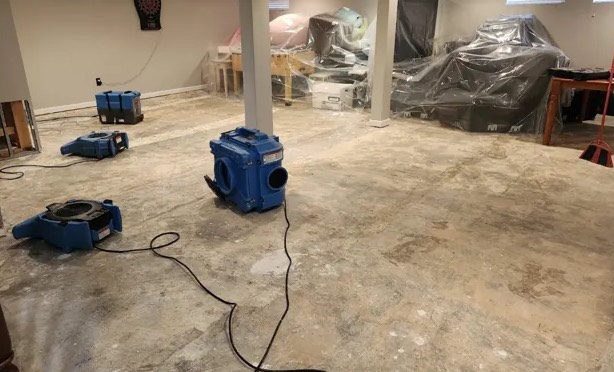
Targeted Temperature-Controlled Drying for Properties in Racine
In Racine, moisture that dries unevenly can warp materials and leave hidden mold. Local pros control heat and airflow so drying is even and does not cause more damage.
In Racine and nearby Mount Pleasant, Caledonia and Kenosha, local pros take baseline moisture readings, then run air movers and dehumidifiers and log moisture levels as they drop.
Temperature-Controlled Drying Services in Racine
Air Mover Placement for Drying
The tactical setup of air-moving equipment establishes cross-flow or focus drying patterns. The experts adjust the strategy daily based on monitoring data, repositioning units.
Drying Equipment Deployment
The experts choose the mix of air movers, dehumidifiers and heaters from the size of the area, the materials and the moisture levels, then set it up to run safely.
Climate-Controlled Drying Systems
Advanced systems allow precise manipulation of the drying environment. By controlling the dew point, the experts can aggressively dry contents without risk.
Rapid Structural Drying Services
Rapid drying mitigates risk of long-term weaknesses or rot in wooden structures. The experts use specialized techniques like injecting dry air into wall cavities.
Moisture Mapping
Moisture mapping uses penetrating and non-penetrating meters to document water migration. This creates a blueprint of wet areas, including hidden moisture behind walls.
When to Call for Temperature-Controlled Drying in Racine, WI
Damp Odors Persisting After Water
A musty smell lingers even after visible water is gone, indicating hidden moisture. That odor often signals mold or trapped dampness.
Condensation on Windows or Surfaces
Excess humidity causes water droplets to form on cold surfaces. This condensation confirms the indoor air has too much moisture.
Paint Peeling or Bubbling Up
Paint loses adhesion and forms bubbles or peels away from the wall. This failure is caused by moisture trapped beneath the paint film.
Visible Mold Growth in Corners
Black, green or white specks in damp corners or on baseboards are usually mold, which means moisture has been there a while.
How Temperature-Controlled Drying Works in Racine
Step 1: Site Evaluation and Equipment Planning
The pros evaluate the site to determine the type and quantity of drying tools needed.
Step 2: Drying Equipment Setup
Industrial air movers and dehumidifiers are set up in the affected zones right away.
Step 3: Controlled Humidity Management
Dehumidifiers pull moist air out of the room, which keeps the air dry enough for materials to keep drying.
Step 4: Progress Tracking With Drying Logs
Temperature, humidity and moisture readings are recorded each day in a drying log.
Common Causes Requiring Structural Drying in Racine
Storm-Driven Water Intrusion
Heavy rain overflows gutters or gets in around windows and soaks framing and insulation.
HVAC System Condensation Issues
A clogged condensate drain line causes an overflow inside the air handler. This water can soak insulation and ductwork, creating a hidden moisture issue.
Inadequate Initial Water Extraction
Water left behind after a leak or flood moves into subfloors and walls, where it is harder to dry.
Appliance Malfunction or Overflow
A failed washing machine hose, water heater or dishwasher can release many gallons onto the floor.
Temperature-Controlled Drying for All Property Types in Racine
Residential Temperature-Controlled Drying
At home, moisture hides in attics, crawl spaces and behind finished walls. Pros map it before setting up equipment so the whole house dries.
Commercial Temperature-Controlled Drying
In offices, schools and clinics, pros use quieter drying equipment that can run in occupied spaces, and document when drying is complete.
Temperature-Controlled Drying: DIY Risks vs. Professional Care in Racine
Photograph all affected areas and items for insurance and move undamaged belongings to a dry room. Drying the structure takes industrial equipment that DIY gear cannot replace.
Cost Considerations for Temperature-Controlled Drying in Racine
In Racine, cost depends on how complex the moisture mapping is and how much equipment the area needs.
Moisture Mapping Complexity
Checking moisture in layered floors or hidden cavities takes more time and equipment.
Structural Material Types
Porous materials like concrete or dense wood require more aggressive drying strategies and extended monitoring, influencing the project timeline and cost.
Access and Logistics
Challenging site access in Racine can complicate equipment deployment and placement, potentially increasing setup time and labor requirements.
Does Insurance Cover Temperature-Controlled Drying?
Whether insurance pays for thermal drying for water damage depends on your policy's specific language and the cause of loss. The pros meticulously record moisture levels and drying progress to create a verifiable log for your adjuster.
The Value of Local Moisture Control Experts for Temperature-Controlled Drying in Racine, WI
Advanced Moisture Mapping
Moisture meters and thermal cameras find hidden wet pockets so every affected material is dried.
Strategic Equipment Deployment
Air movers and dehumidifiers are placed according to a plan for even airflow and low humidity.
Ongoing Moisture Monitoring
Regular checks with moisture meters verify that drying goals are met, helping ensure no residual dampness remains within walls or floors.
Emergency Moisture Control in Racine
Wet walls and floors keep getting worse until they are dried. Call the pros at (414) 348-0250 to set up drying equipment.
Call Now (414) 348-0250Temperature-Controlled Drying for Racine and Surrounding Regions
Temperature-controlled drying is available for homes in Racine and nearby places like Mount Pleasant, Caledonia and Kenosha.
- Temperature-Controlled Drying in Mount Pleasant
- Temperature-Controlled Drying in Caledonia
- Temperature-Controlled Drying in Kenosha
- Temperature-Controlled Drying in South Milwaukee
- Temperature-Controlled Drying in Oak Creek
- Temperature-Controlled Drying in Union Grove
- Temperature-Controlled Drying in Pleasant Prairie
- Temperature-Controlled Drying in Cudahy
- Emergency Damage Restoration in 53401
- Storm Damage Restoration in 53401
- Water Damage Restoration in 53401
- Water Extraction Service in 53401
- Water Leak Detection in 53401
- Water Removal Service in 53401
- Emergency Damage Restoration in 53402
- Storm Damage Restoration in 53402
Temperature-Controlled Drying Information and FAQs
What is the difference between air movers and dehumidifiers?
Air movers evaporate moisture from surfaces into the air, and dehumidifiers pull it back out of the air.
What should a property owner do while waiting for help with drying?
If safe, remove obvious standing water with a mop or towels, move dry contents away from the wet area, and avoid using household fans which can spread contaminants.
How is drying progress verified during moisture monitoring?
Progress is verified by taking comparative moisture readings with penetrating and non-penetrating meters over time, ensuring levels drop to established dry standards for each material.
When is climate-controlled drying necessary versus regular drying?
Climate-controlled drying is necessary for severe losses, sensitive materials, or when precise environmental control is needed to prevent damage, unlike simple air drying for minor spills.
What happens if hidden moisture is not found during mapping?
Undetected moisture can lead to ongoing deterioration, odor issues, and mold growth inside walls or under floors, underscoring the critical need for thorough initial assessment.