Milwaukee, WI · Milwaukee County
Storm Damage Restoration in Milwaukee, WIStructural Drying Dehumidification & Post Storm Mold Prevention
Storm Damage Restoration in Milwaukee covers emergency roof leak repair, wind damage window board up and storm flood water extraction.
Answered 24/7
What Is Storm Damage Restoration in Milwaukee?
A storm damage assessment in Milwaukee finds every point where water got in and every part of the structure affected, using moisture meters and thermal cameras.
In Milwaukee and nearby Shorewood, St. Francis and Wauwatosa, local storm damage recovery experts handle everything from wind-driven rain to fallen trees, stabilizing the structure and starting the drying.
The Storm Damage Restoration Process in Milwaukee
Structural Drying Dehumidification
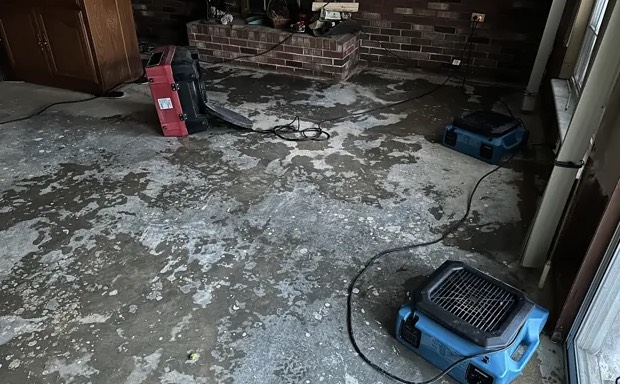
After extraction, water stays in walls and floors. Local storm damage recovery experts place air movers and dehumidifiers to dry them and help prevent warping and mold.
Post Storm Mold Prevention
Once surfaces are cleaned and dry, antimicrobial treatment is applied to slow mold growth. It is a standard step after storm water gets inside.
Exterior Siding Trim Repair
High winds rip siding and trim off walls. The experts repair or replace them with matching material to close the gaps where water gets in.
Water Damaged Drywall Removal
Drywall soaked by a roof leak or flood loses strength. Pros remove it to reach the insulation and framing behind, then clean up for rebuilding.
Emergency Roof Leak Repair
A storm-damaged roof lets water in with every rain. The experts cover the breach with a tarp or temporary patch, then check the attic and ceilings in Milwaukee to plan the permanent repair.
Symptoms Demanding Storm Damage Restoration
Windows Drafts or Damage
Drafts, cracked glass or broken seals after a storm let in rain and should be covered.
Water Stains on Ceiling
Dark patches or drips on the ceiling after a storm mean the roof is leaking.
Persistent Damp Odors
A lingering earthy smell after a storm means trapped moisture in walls or floors that needs drying out.
Gutters Overflowing or Detached
Gutters pulling away or spilling water point to roof damage or clogs that send water where it should not go.
How Storm Damage Restoration Works in Milwaukee
Step 1: Emergency Response and Board Up
Windows and roof openings are covered first to stop more weather getting in.
Step 2: Storm Damage Cleanup and Debris Removal
Hazardous debris is cleared and standing water is extracted so the area is safe to work.
Step 3: Dehumidification and Moisture Control
Dehumidifiers and air scrubbers control humidity until the structure is dry, which helps prevent mold.
Step 4: Restoration and Material Replacement
Wet drywall is replaced, siding is repaired and the property is put back in working order.
Common Causes of Storm Damage in Milwaukee
Flooding From Rising Ground Water
Rising groundwater or overwhelmed drainage can flood basements and crawl spaces during heavy storms.
Gutter and Downspout Blockage
Clogged gutters overflow and send water behind siding and toward the foundation.
Siding and Trim Failure
Wind pries siding and trim loose, exposing the wall cavities behind them to rain.
Driving Rain Through Openings
Wind-driven rain gets in around damaged windows, doors and vents and soaks insulation and drywall.
Milwaukee Storm Damage Restoration for All Property Types
Residential Storm Damage Restoration
Pros clear storm debris from around the house, remove wet attic insulation and dry the home from the roof down.
Commercial Storm Damage Restoration
Restaurants and hotels may need kitchens and guest rooms dried and exteriors repaired quickly to limit lost revenue.
Storm Damage Restoration: What to Handle Yourself and What to Leave to Pros
Note any loose siding or trim for your insurance report, but do not repair it yourself; a bad fix can trap moisture in the wall.
Cost Considerations for Storm Damage Restoration in Milwaukee
Roof leak repairs, debris removal and mold prevention treatments each add labor and equipment to the final bill.
Property Size and Layout
Larger homes and complex commercial buildings have more to dry and repair.
Emergency Service Timing
After-hours emergency roof repair or water extraction may be priced differently from scheduled work.
Drying Time and Equipment
How long drying runs and how many air movers and dehumidifiers are needed affect the price.
Does Insurance Cover Storm Damage Restoration?
Whether your policy covers storm damage restoration depends on its named perils. Pros in Milwaukee document the damage; confirm coverage with your insurer.
Why Local Help Matters for Storm Damage Restoration in Milwaukee
Detailed Documentation for Claims
Photos, moisture maps and notes give clear evidence for your insurance claim.
Proactive Mold Prevention
EPA-registered antimicrobials applied after drying help slow mold growth on surfaces that were wet.
Advanced Water Extraction Equipment
Pumps and extractors remove standing water quickly, the first step in any storm cleanup.
Round-the-Clock Storm Damage Restoration for Milwaukee
For 24/7 storm damage cleanup in Milwaukee, call (414) 348-0250 right away. Drying started early helps prevent rot and mold in walls and floors later.
Call Now (414) 348-0250Local Storm Damage Restoration Areas Including Milwaukee
In Milwaukee and nearby places like Shorewood, St. Francis and Wauwatosa, storm work covers assessment, water removal, drying, debris cleanup and repair.
Storm Damage Restoration FAQs
Can wet drywall be saved after storm damage?
Soaked drywall usually has to be removed because it weakens and can grow mold. Readings show whether any sections can be dried.
Why is structural drying so important after a storm?
It removes moisture from materials and air, which helps prevent warping, rot and mold.
Is exterior repair part of storm damage restoration?
Yes. Siding and trim repair usually come after drying and cleanup to close up the building.
How is the need for drywall removal determined?
Moisture probes and a visual check. Swollen, soft or contaminated drywall is usually replaced.
What is the first step after storm water intrusion?
Remove standing water, and board up any broken windows or roof openings so no more comes in.
Complementary Services to Storm Damage Restoration in Milwaukee
- Debris Removal after Storms
- Disaster Recovery Planning
- Disaster Response & Recovery Services
- Emergency Storm Cleanup Services
- Emergency Tarping
- Hail Damage Restoration
- Hurricane Response Services
- Ice Dam Removal & Repair
- Lightning Strike Damage Repair
- Sandbagging Flood Barrier Installation
- Snow and Ice Storm Damage Cleanup
- Temporary Fencing Installation
- Temporary Power and Climate Control
- Tornado Damage Cleanup
- Tree Removal from Structures
- Wind Damage Repair