Twin Lakes, WI · Kenosha County
Office Building Water Extraction in Twin Lakes, WIOffice Building Flood Cleanup & Office Water Damage Cleanup
Office Building Water Extraction in Twin Lakes handles office building flood cleanup, commercial carpet water extraction and wet drywall removal.
Answered 24/7
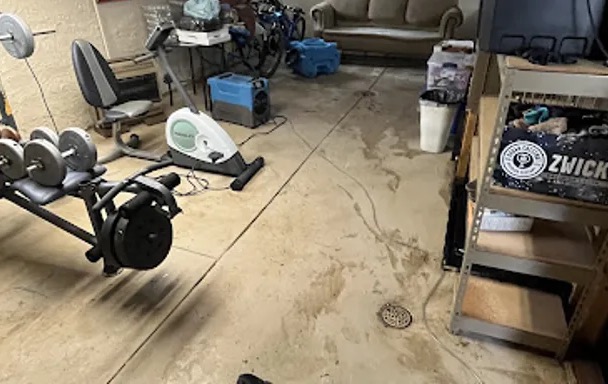
Office Building Water Extraction for Twin Lakes Businesses
Water in an office spreads under cubicles, soaks glue-down carpet and runs into walls and the floor below. Every hour it sits means more ceiling tiles, drywall and carpet to replace.
Office building water extraction is available in Twin Lakes and nearby Salem Lakes, Burlington and Lake Geneva. The pros handle glue-down carpet, drop ceilings and metal-stud walls common in offices.
Water Extraction for Twin Lakes Office Spaces
Office Building Flood Cleanup
When water covers a whole floor, pumps and extractors remove it room by room, starting with server rooms, stairwells and main corridors.
Office Water Damage Cleanup
The pros pick up standing water, pull soaked ceiling tiles and move furniture out of wet zones, then photograph each area for the building owner and insurer.
Office Building Drying Services
The building's own HVAC is used with portable dehumidifiers to pull moisture out of large open floors and conference rooms.
Commercial Carpet Water Extraction
Glue-down and carpet-tile floors are extracted with weighted or truck-mounted tools that pull water from the backing as well as the surface.
Office Records Water Protection
Electronics are unplugged and moved out of the water first. The pros list and photograph wet equipment so IT and the insurer can review it.
How to Spot Water Damage in an Office Building
Swollen Baseboards
Baseboards that swell, split or pull from the wall show that water has wicked up into the drywall behind them.
Loose or Lifting Carpet Tiles
Carpet tiles that shift or curl at the edges usually mean water has softened the adhesive underneath them.
Warped Cabinet Bases
Break-room or reception cabinets with swollen particleboard bases often hide a slow leak from a sink, ice maker or coffee line.
Rising Water Bill
A water bill that climbs with no change in use can point to a hidden leak in walls, ceilings or under the slab.
How Office Building Water Extraction Works in Twin Lakes
Step 1: Map the Wet Area
Moisture meters and thermal cameras show how far water spread under carpet, inside walls and above the ceiling grid.
Step 2: Protect Records and Equipment
Computers, files and furniture in the wet zone are moved or set on blocks before extraction begins.
Step 3: Commercial Carpet Water Extraction
Glue-down carpet and carpet tiles are extracted with repeated passes that pull water from the backing and the slab surface.
Step 4: Verify and Document
Final readings are recorded with photos for each room, so the building owner and insurer can see the drying results.
Common Causes of Office Water Damage in Twin Lakes
Window and Wall Leaks
Failed window seals and cracked exterior joints let wind-driven rain into walls and onto carpet along the outside of the building.
Sprinkler System Discharge
A damaged head or a broken fitting in a fire sprinkler system can release a large amount of water across an office floor.
Water Heater Failure
Tank water heaters in utility closets can rust through and leak into nearby offices and storage rooms.
Break-Room Appliances
Dishwashers, ice makers and coffee machines with water lines can leak slowly under cabinets for weeks before anyone notices.
Office Building Water Extraction for Mixed-Use and Commercial Properties in Twin Lakes
Residential Water Extraction
Apartments above ground-floor offices often share plumbing walls. When water moves between them, the pros trace it through the wall and dry both sides.
Office Building Water Extraction
Call centers and open-plan offices with glue-down carpet need extraction tools that pull water from the backing, followed by floor drying under the furniture.
DIY Limits for Office Water Damage in Twin Lakes, WI
Take photos and video of wet areas, ceiling tiles and equipment before anything is moved. The building owner and each insurer involved will ask for them.
What Drives Office Building Water Extraction Cost in Twin Lakes
Leaks that reach more than one floor cost more because each level needs its own extraction, drying setup and set of records.
Water Category
Clean supply water costs less to handle than water from a toilet overflow or sewer backup, which requires removal and disinfection.
Flooring Type
Glue-down carpet and carpet tiles take more extraction passes than sealed concrete or vinyl, and some tiles may need replacement.
Drying Time
Each extra day of dehumidifiers, air movers and moisture checks adds cost, so dense materials that dry slowly raise the total.
Does Insurance Cover Office Building Water Extraction?
Some policies exclude slow leaks or flood water from outside. Confirm with your agent what applies to your office before work begins.
Why Offices in Twin Lakes Use Professional Water Extraction
Clear Communication
Property managers get a plan for each area and daily updates, so they can tell tenants what to expect.
Fewer Closed Rooms
Drying is planned in zones and around work hours, so staff can keep using dry parts of the office while the rest is worked on.
Night and Weekend Work
Extraction can happen after hours so fewer people are disturbed and the office reopens with less downtime.
24/7 Emergency Office Building Water Extraction in Twin Lakes
Water spreading across your Twin Lakes office? Call (414) 348-0250 24/7. Shut off the water if you can and keep people away from wet outlets and ceiling tiles.
Call Now (414) 348-0250Office Building Water Extraction Coverage in Twin Lakes, Wisconsin
Office building water extraction is available in Twin Lakes and nearby Salem Lakes, Burlington and Lake Geneva, for single suites and whole buildings.
- Office Building Water Extraction in Salem Lakes
- Office Building Water Extraction in Burlington
- Office Building Water Extraction in Union Grove
- Office Building Water Extraction in Delavan
- Office Building Water Extraction in Waterford
- Office Building Water Extraction in Pleasant Prairie
- Office Building Water Extraction in Elkhorn
- Office Building Water Extraction in East Troy
- Emergency Damage Restoration in 53181
- Storm Damage Restoration in 53181
- Water Damage Restoration in 53181
- Water Extraction Service in 53181
- Water Leak Detection in 53181
- Water Removal Service in 53181
Your Office Water Damage Questions in Twin Lakes, WI
What records will the property manager receive?
Photos, daily moisture readings and a list of removed materials for each affected area, which can be shared with insurers.
How long does it take to dry an office after a leak?
Most offices dry in three to five days, depending on how much water there was and the type of flooring and walls. Readings decide when it is done.
Can water damage spread to other suites?
Yes. Water moves through shared walls and down through floors, so suites next to and below the leak should be checked too.
Who pays for water damage in a leased office?
It depends on the lease and the policies. The building policy usually covers the structure, and the tenant's policy may cover contents.
Why is professional equipment needed in an office?
Glue-down carpet, metal-stud walls and large open floors hold more water than household tools can remove, and drying needs to be measured.