Milwaukee, WI · Milwaukee County
Moisture Mapping in Milwaukee, WIWater Damage Assessment & Infrared Moisture Inspection
Moisture Mapping in Milwaukee includes wall cavity moisture survey, post-flood moisture analysis and infrared moisture inspection.
Answered 24/7
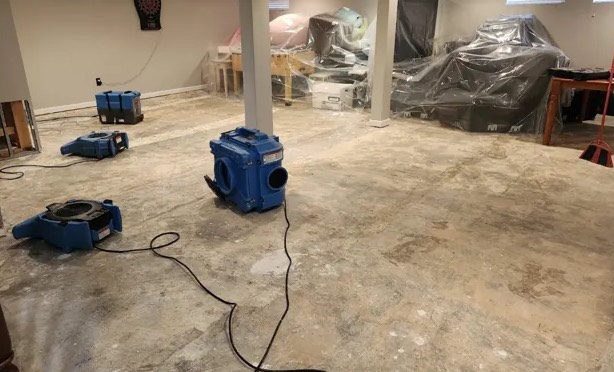
Moisture Mapping and Infrared Inspection in Milwaukee
After a plumbing leak or weather-related flooding in Milwaukee, moisture can linger in insulation and subflooring. A detailed moisture map identifies all affected materials, guiding the removal of unsalvageable items and the focused drying of those that can be saved.
In the area around Milwaukee, water damage can be deceptive. A small stain may hide a large saturated area behind it. Local water damage pros map hidden leaks and analyze moisture after floods. They scan floors, walls and ceilings to differentiate surface condensation from active intrusion. Their map guides the drying process.
Moisture Mapping Services in Milwaukee
Water Damage Assessment
The assessment documents the origin, path and current extent of the water. The specialists in Milwaukee use it to plan the work and document it for your insurer.
Infrared Moisture Inspection
A key moisture mapping step, infrared inspection scans surfaces to detect cool spots that indicate moisture. The data helps the specialists in Milwaukee pinpoint problem areas without unnecessary demolition, saving time and preserving your property's structure during the assessment phase.
Hidden Water Leak Mapping
Mapping moisture finds leaks with no visible entry point. Analysis of these patterns can help locate a pipe leak, condensation issue, or roof leak within walls or under floors before significant structural decay occurs.
Structural Drying Verification
Structural drying verification uses repeated moisture mapping to confirm that building assemblies are dry. Final readings are compared to dry standards to confirm the building is ready for rebuilding.
Subfloor Moisture Detection
Water from appliance leaks or overflows often sinks into subfloors. Detection mapping reveals the extent of saturation, indicating whether drying from below is possible or if sections of the subfloor need replacement to maintain structural integrity.
Symptoms Requiring Moisture Mapping in Milwaukee
Condensation on Windows
Excessive window condensation can drip into wall frames, promoting hidden moisture damage and potential mold growth.
Unexplained Wall Discoloration
Walls developing dark patches, bubbling paint or peeling wallpaper often signal hidden moisture damage behind the surface.
Recent Plumbing Leak History
Past leaks under sinks, behind appliances or in walls mean residual moisture could linger in cavities and materials.
Water Stains on Ceilings
Brownish-yellow ceiling stains, especially below bathrooms or the roof, mean water is getting in above.
How Moisture Mapping Works in Milwaukee
Step 1: Dry Standard Comparison
The specialists first take readings in dry areas of the building as a reference.
Step 2: Systematic Area Scanning
Using infrared and probe meters, pros scan all adjacent areas in a grid pattern, performing a wall cavity moisture survey to find anomalies.
Step 3: Moisture Extent Delineation
The perimeter of all wet areas is marked, creating a clear moisture map that defines the exact boundaries of the water damage for drying.
Step 4: Documentation for Verification
Photos, moisture readings and the completed map are documented to provide structural drying verification and support for insurance review processes.
Causes in Milwaukee That Make Moisture Mapping Necessary
Condensation Within Wall Cavities
Temperature differentials between interior and exterior surfaces cause vapor to condense inside walls unseen.
Foundation Cracks and Seepage
Groundwater pushed through foundation cracks keeps slabs and subfloors damp, often out of sight.
HVAC Condensate Overflow
Clogged or disconnected AC drain pans overflow and soak drywall and insulation nearby.
Plumbing Leaks Behind Walls
Slow leaks from supply lines, drain pipes or faulty fittings introduce moisture into wall cavities and subfloor areas.
Milwaukee Property Moisture Mapping: Residential & Commercial
Residential Moisture Mapping
Residential moisture mapping often focuses on living areas, basements and attics after leaks or floods. The pros check subfloors and use infrared to find all moisture and guide drying.
Commercial Moisture Mapping
In commercial buildings, mapping covers large floor areas, warehouse slabs and multi-story construction. The pros employ structural drying verification to confirm that building materials have returned to acceptable dryness levels post-mitigation.
Moisture Mapping vs. DIY: When to Call Moisture Detection Specialists
DIY efforts can address the source if you find a loose hose connection or an overflowing toilet you can repair. Keep the area ventilated. Measuring moisture inside structural materials and subfloors needs special equipment from the pros.
Factors Influencing Moisture Mapping Cost in Milwaukee
Moisture mapping costs in Milwaukee vary based on property size and the number of zones requiring detailed inspection with infrared cameras and moisture meters.
Damage Extent
Widespread water intrusion demands extensive mapping with infrared inspection, increasing the assessment and documentation workload.
Report Detail
Creating a thorough moisture map for your insurance claim involves detailed documentation, affecting the project timeline.
Technology Used
Using infrared cameras and other tools for detailed mapping adds to the equipment and time involved.
Does Insurance Cover Moisture Mapping?
Moisture mapping for a verified water loss event is often an allowable expense. The specialists in Milwaukee document all findings with infrared inspection reports and moisture meter data for a claim file. The insurer ultimately determines reimbursement based on the policy; homeowners should review coverage details directly with their insurer.
The Value of Expert Moisture Mapping in Milwaukee
IICRC-Standard Methods
Moisture mapping follows industry protocols for accurate detection and clear, complete documentation.
Comprehensive Damage Assessment
The process surveys all affected areas, creating a complete map to guide the entire restoration plan.
24/7 Emergency Response
Fast moisture mapping is available around the clock to begin the water damage assessment process immediately.
Milwaukee Emergency Moisture Mapping for Water Damage
Act fast after a plumbing failure or storm leak. Call (414) 348-0250 anytime for emergency moisture mapping services in Milwaukee, including infrared inspection and humidity mapping to start the process.
Call Now (414) 348-0250Local Moisture Mapping Coverage for Milwaukee, Shorewood, St. Francis and Wauwatosa
Moisture mapping in Milwaukee finds and documents water damage, including wet walls, and is also available in nearby Shorewood, St. Francis and Wauwatosa.
Frequently Asked Questions About Moisture Mapping
Does leak detection mapping only find active leaks?
It aims to find the source of active intrusion, but can also map the extent of damage from past leaks that have left materials wet.
What technology is used for humidity mapping?
Beyond moisture meters, tools like thermo-hygrometers map ambient humidity, and infrared thermography helps visualize moisture-related temperature anomalies in building envelopes.
How is a wall cavity moisture survey performed?
Professionals use non-invasive infrared scanning and may drill small probe holes for moisture meter access to assess moisture levels within interior wall assemblies.
How does infrared moisture inspection work?
Infrared cameras detect temperature differences caused by evaporative cooling, revealing hidden moisture behind surfaces without the need for immediate physical damage.
Are moisture mapping results provided in a report?
Yes, the specialists provide a detailed report including moisture maps, meter reading logs, infrared images, and an analysis of the findings.