Pleasant Prairie, WI · Kenosha County
Hydrostatic Pressure Water Removal in Pleasant Prairie, WICrawl Space Water Extraction & Slab Seepage Water Removal
Hydrostatic Pressure Water Removal in Pleasant Prairie covers groundwater intrusion mitigation, wet subfloor removal and crawl space water extraction.
Answered 24/7
Local Pros for Hydrostatic Pressure Water Removal in Pleasant Prairie
In Pleasant Prairie, when the ground around a foundation is full of water, the pressure pushes it through the weakest spots. Cracks in the walls or slab are usually where it comes in.
In Pleasant Prairie and nearby Kenosha, Salem Lakes and Mount Pleasant, soaked soil can push water into basements and crawl spaces. Local groundwater extraction specialists extract the water and dry the structure.
Hydrostatic Pressure Water Removal Services in Pleasant Prairie
Crawl Space Water Extraction
A wet crawl space is a hidden problem that can lead to mold and wood rot.
Slab Seepage Water Removal
Groundwater pushed up through a concrete slab can leave damp spots or a thin sheet of water. It is extracted and the slab and flooring are dried.
Sump Pump Failure Cleanup
The cleanup process removes all water, cleans the pit, and ensures the area is dry before a new pump is installed or the existing one is repaired.
Wet Subfloor Removal
Water damage pros assess the damage, remove the compromised materials, and ensure the underlying joists are dry and sound before reconstruction.
Basement Hydrostatic Pressure Flooding
Water pushed in by soil pressure is common in lower levels in Pleasant Prairie. The specialists extract the standing water first, then note where it came in so a contractor can look at it.
When to Call for Hydrostatic Pressure Water Removal in Pleasant Prairie
Visible Cracks in Foundation Floors
New or widening cracks in a basement slab can let groundwater in when the soil is wet.
Water Seeping From Foundation Walls
Water seeping at the base of foundation walls means groundwater is being pushed in by pressure from the soil.
Sump Pump Running Constantly
A sump pump that runs nonstop means a lot of groundwater is coming in around the foundation.
Efflorescence on Concrete Surfaces
White, chalky deposits on foundation walls or the slab show water has been pushing through the concrete.
How Hydrostatic Pressure Water Removal Works in Pleasant Prairie
Step 1: Emergency Water Extraction
The specialists use truck-mounted pumps to remove standing water from basements and crawl spaces.
Step 2: Foundation Leak Assessment
An inspection finds where groundwater is getting in and maps how far the water spread.
Step 3: Structural Drying Deployment
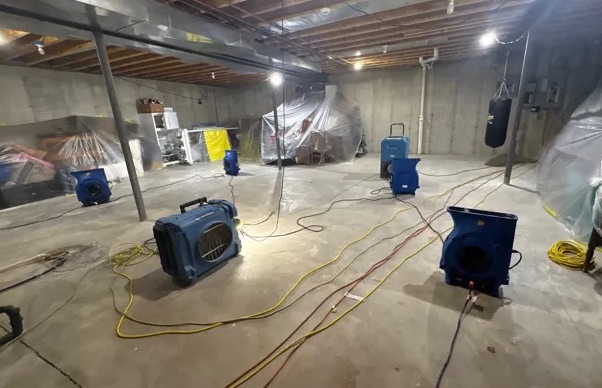
Industrial air movers and dehumidifiers are positioned strategically to dry wall cavities, subfloors, and structural members until readings return to normal.
Step 4: Final Moisture Verification
Professionals use moisture meters and sensors to confirm all materials are dry.
How Hydrostatic Pressure Creates Water Removal Emergencies
Plumbing Leaks Under the Slab
A broken water line under the slab keeps feeding water up through the floor.
Poor Exterior Drainage Systems
Clogged gutters, downspouts and poor grading send water toward the foundation, where it builds pressure in the soil.
Failed or Missing Waterproofing
Worn exterior coatings or membranes let groundwater reach the foundation wall directly.
Foundation Settlement and Cracks
As a foundation settles, cracks form and give groundwater a direct path inside.
Hydrostatic Pressure Water Removal for All Property Types
Residential Hydrostatic Pressure Water Removal
In homes, groundwater pushed through a wall or slab can soak flooring and drywall. Fast extraction and drying keep the damage from spreading to walls and stored items.
Commercial Hydrostatic Pressure Water Removal
Restaurants, medical offices, and other sensitive environments require meticulous groundwater extraction and sanitization after water intrusion. The pros ensure these spaces meet strict hygiene standards.
Hydrostatic Pressure Water Removal: Why DIY Falls Short
Clearing gutters and extending downspouts away from the foundation are good steps to reduce water at the walls. If water is already coming in, call (414) 348-0250 for extraction and drying.
Understanding Hydrostatic Pressure Water Removal Expenses
The cost of removing water that comes up through a slab depends on how easy the area is to reach, how wet it is and how long drying takes.
Affected Area Size
Larger flooded areas or large wet subfloors need more equipment and more days of drying.
Structural Complexity
Tight crawl spaces and complex foundations make water removal and drying slower.
Material Saturation Level
Deeply soaked subflooring or wet foundation walls need more extraction and dehumidification.
Does Insurance Cover Hydrostatic Pressure Water Removal?
Removing wet subfloor may be covered if the water came from a covered event. The specialists document the subfloor and why it had to come out, and your insurer decides.
Selecting Local Pros for Hydrostatic Pressure Water Removal in Pleasant Prairie, WI
Methodical Cleanup Process
Each step, from extraction to final readings, is done in order so nothing is left wet.
Comprehensive Moisture Mapping
Moisture meters find water in subfloors and walls so every wet area gets dried.
Focused Mitigation Planning
You get notes on where water came in, so you can plan drainage work with a contractor.
Urgent Hydrostatic Pressure Water Removal for Pleasant Prairie Homes
Emergency groundwater intrusion cleanup is available around the clock for properties in the village of Pleasant Prairie, by calling (414) 348-0250. The specialists pump out crawl spaces and start drying.
Call Now (414) 348-0250Hydrostatic Pressure Water Removal Near Pleasant Prairie: Areas Served
From slab seepage to water through foundation cracks, the specialists work in Pleasant Prairie and nearby Kenosha, Salem Lakes and Mount Pleasant.
- Hydrostatic Pressure Water Removal in Kenosha
- Hydrostatic Pressure Water Removal in Salem Lakes
- Hydrostatic Pressure Water Removal in Mount Pleasant
- Hydrostatic Pressure Water Removal in Racine
- Hydrostatic Pressure Water Removal in Union Grove
- Hydrostatic Pressure Water Removal in Caledonia
- Hydrostatic Pressure Water Removal in Burlington
- Hydrostatic Pressure Water Removal in Waterford
- Emergency Damage Restoration in 53158
- Storm Damage Restoration in 53158
- Water Damage Restoration in 53158
- Water Extraction Service in 53158
- Water Leak Detection in 53158
- Water Removal Service in 53158
Common Hydrostatic Pressure Water Removal Questions Answered
What are signs of soil pressure water intrusion?
Water seeping where the floor meets the wall, damp foundation walls and ongoing moisture in a crawl space.
Can crawl space water extraction prevent mold?
Removing the water quickly and drying the crawl space fully takes away the moisture mold needs, which keeps it from starting.
How is hydrostatic pressure measured during flooding?
It is not measured directly. The depth of water and how fast it comes in show how much pressure the soil is putting on the foundation.
Does sealing a foundation crack stop water from coming in?
Sealing a crack, done by a foundation contractor, can help. Long-term control often also needs drainage or waterproofing outside to lower the water pressure.
What causes foundation crack water infiltration?
Usually water pressure from soaked soil, or settlement cracks that give groundwater a path into the building.