Chenequa, WI · Waukesha County
Hardwood Floor Water Extraction in Chenequa, WIHardwood Floor Drying Services & Emergency Hardwood Floor Flood Cleanup
Hardwood Floor Water Extraction in Chenequa includes hardwood floor drying services, wood floor warping repair, and emergency hardwood floor flood cleanup.
Answered 24/7
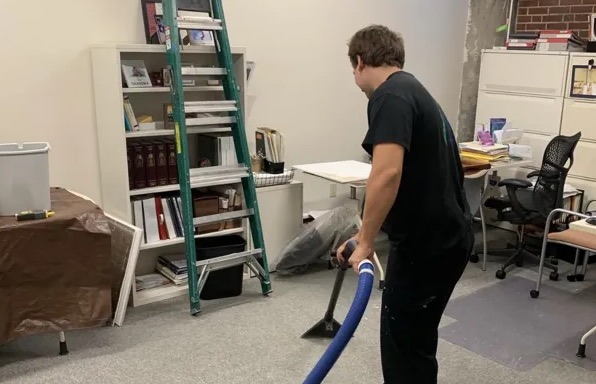
Hardwood Floor Water Damage Response in Chenequa, WI
Hardwood floors add significant value and appeal to properties in Chenequa, but water intrusion can quickly compromise that investment. Moisture leads to warping, cupping and mold growth beneath the surface, which diminishes both function and aesthetics.
Properties in Chenequa and nearby places like Nashotah, Hartland and Delafield often feature hardwood flooring that demands careful water damage response. Extraction must address surface water and subfloor moisture to prevent warping. Local pros use moisture inspection to guide drying and repair.
Specialized Water Extraction for Hardwood Floors in Chenequa
Hardwood Floor Drying Services
Drying mats and dehumidifiers are set up so air moves across and under the floor, pulling water from inside the wood.
Emergency Hardwood Floor Flood Cleanup
After a sudden flood, the first job is removing water from the surface and seams so the wood absorbs as little as possible.
Hardwood Floor Moisture Inspection
Pin and pinless meters check moisture inside the planks and the subfloor in Chenequa, and those numbers guide where drying equipment goes.
Wood Floor Warping Repair
Mild warping can often be fixed by drying slowly and then sanding and refinishing once the wood is stable.
Hardwood Floor Water Damage Repair
Repairs range from refinishing one area to replacing several boards, depending on how wet the floor got and for how long.
Indicators You Require Hardwood Floor Drying in Chenequa
High Indoor Humidity Levels
A damp feel in the room or high humidity readings can mean water is still trapped in or under the floor.
Gaps Between Floorboards
New gaps between boards can appear when wet wood shrinks back as it dries unevenly.
Visible Cupping or Buckling
Board edges rising (cupping) or whole sections lifting (buckling) mean water has reached the underside of the floor.
Squeaking or Creaking Sounds
New squeaks can mean the subfloor swelled or nails loosened after water got under the boards.
How Hardwood Floor Water Extraction Works in Chenequa
Step 1: Emergency Water Extraction
Local water extraction experts use truck-mounted or portable extractors to remove standing water from the surface and between the boards.
Step 2: Strategic Drying Setup
Air movers and dehumidifiers are placed to move air across the floor and pull moisture out of the wood at a steady rate.
Step 3: Subfloor Moisture Inspection
Moisture meters check the subfloor and the center of the boards to make sure every layer is drying.
Step 4: Final Assessment for Repair
Once dry, the floor is checked for cupping or warping, and any repair work needed is listed.
What Causes Water Under Hardwood Floors in Chenequa
Overflows From Sinks or Tubs
An overflowing sink, tub or toilet upstairs sends water through the ceiling onto the hardwood below.
Natural Flooding Events
Flash floods, sewer backups, or rising water from nearby bodies of water can inundate a home.
Appliance Leaks and Failures
Leaking dishwashers, refrigerators and washing machines can flood a kitchen or laundry room and soak the hardwood next to it.
Failed Waterproofing Membranes
Failed waterproofing under a nearby tub, shower or sink can let water reach the hardwood subfloor.
Hardwood Floor Water Extraction for Homes and Businesses in Chenequa
Residential Hardwood Floor Water Extraction
Homeowners face unique challenges with wood floor water extraction, such as matching historic planks or dealing with multiple finish layers. The experts dry the wood carefully, check for warping and plan any repair.
Commercial Hardwood Floor Water Extraction
Large open floors in commercial spaces dry unevenly if equipment is placed poorly. Air movers and dehumidifiers are spread out so the whole floor dries at the same rate.
The Risks of DIY Hardwood Floor Water Extraction in Chenequa
After the immediate water is removed, you can help by maintaining a dry environment. Keep the HVAC system running if it's dry outside, or use a standalone dehumidifier. Do not sand or refinish the floor until it is completely dry, which requires professional moisture meters.
Understanding Costs for Hardwood Floor Restoration in Chenequa
The investment for hardwood floor drying in Chenequa varies. Factors include the extent of water saturation, need for board replacement, and equipment runtime.
Subfloor Moisture Levels
Water often reaches the subfloor, and drying that layer adds work to the job.
Required Drying Time
The more days the floor takes to dry, the longer the equipment runs and the more visits are needed.
Equipment Deployment Scale
The number of air movers, dehumidifiers and drying mats needed affects the total cost.
Does Insurance Cover Hardwood Floor Water Extraction?
Homeowners insurance might cover Hardwood Floor Water Extraction if the cause is a covered peril. A complete file of evidence, including drying logs, is provided. This is for the homeowner to provide to their insurance company as part of a claim.
Benefits of Local Hardwood Floor Water Extraction Pros in Chenequa
Warping and Cupping Assessment
After drying, boards are checked for lasting warping so you know what needs repair.
Advanced Moisture Detection
Pin and pinless meters show exactly which boards are still wet and confirm when the floor is dry.
Subfloor Moisture Addressing
The subfloor is dried as well as the boards, which DIY drying often misses.
24/7 Emergency Response for Wet Hardwood Floors in Chenequa
Flooding on hardwood surfaces demands specialized extraction to avoid pushing water deeper into the seams and subfloor. Call (414) 348-0250 now for an urgent hardwood floor water damage assessment and action from the experts.
Call Now (414) 348-0250Areas Served for Hardwood Floor Water Extraction Near Chenequa
Residences in Chenequa and nearby communities, including Nashotah, Hartland and Delafield, can get hardwood floor moisture removal. Without it, cupping and buckling follow.
- Hardwood Floor Water Extraction in Nashotah
- Hardwood Floor Water Extraction in Hartland
- Hardwood Floor Water Extraction in Delafield
- Hardwood Floor Water Extraction in Merton
- Hardwood Floor Water Extraction in Summit
- Hardwood Floor Water Extraction in Oconomowoc
- Hardwood Floor Water Extraction in Pewaukee (Village)
- Hardwood Floor Water Extraction in Pewaukee
Hardwood Floor Water Extraction FAQs
What equipment is used for wood floor water extraction?
Tools include wet vacuums for extraction, industrial air movers for evaporation, and dehumidifiers to condense moisture from the air.
Does hardwood floor water extraction address mold risk?
Rapid drying to a safe moisture level within 24-48 hours significantly reduces the risk of mold growth under floors.
How does moisture removal prevent wood floor warping?
Controlled, even drying removes moisture that causes uneven swelling and stress in wood planks.
Why is subfloor water extraction important?
Water often drains through hardwood seams into the subfloor, where it can cause structural softening and mold.
How is water extraction from wood floors different from carpets?
Wood requires gentler extraction to avoid pushing water into seams, and drying is slower due to wood's density.