Plymouth, WI · Sheboygan County
Frozen Pipe Water Removal in Plymouth, WIWater Damage Restoration & Emergency Flood Cleanup
Frozen Pipe Water Removal in Plymouth handles emergency water removal, frozen pipe damage repair and water damage restoration.
Answered 24/7
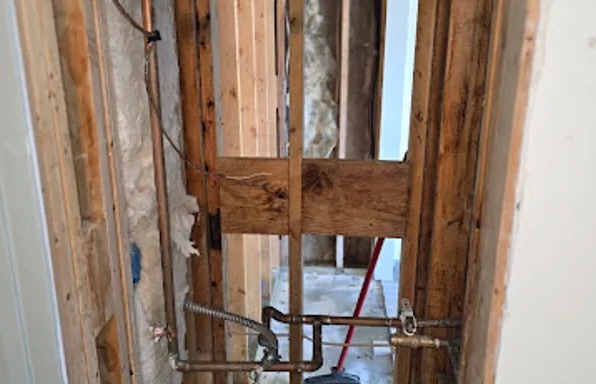
Expert Frozen Pipe Water Removal for Properties in Plymouth
For homes in Plymouth, water from a burst pipe can ruin drywall, insulation and belongings, and it can reach outlets. Removing it early limits the damage.
Frozen pipe water removal for properties in Plymouth addresses the immediate danger of water intrusion from burst pipes. Services also extend to nearby places like Sheboygan Falls, Kohler and Howards Grove, ensuring broad coverage for urgent needs.
Frozen Pipe Water Removal Services in Plymouth
Water Damage Restoration
Restoration involves not just removing moisture but also monitoring humidity levels, cleaning affected contents, and performing necessary repairs to fully mitigate the damage.
Emergency Flood Cleanup
When a burst pipe floods a room, the water is extracted, ruined items are removed and cleaning begins so the space is safe.
Frozen Pipe Water Extraction
Once the pipe is shut off, commercial vacuums pull water from floors and carpet before it soaks into the subfloor.
Pipe Leak Water Removal
A leaking pipe needs the water around it removed, often from inside a wall, so the leak does not keep soaking the materials nearby.
Frozen Pipe Damage Repair
Repair is the last step. Drywall is patched, trim reinstalled and repaired areas finished to match the rest of the room.
Signs of Burst Pipe Damage in Plymouth Homes
Unexplained Puddles on Floors
Standing water or damp patches on floors, especially near exterior walls, can point to a hidden burst pipe.
Mold on Baseboards
Black or green speckles appearing along floor moldings are a direct result of lingering dampness.
Frost on Exposed Piping
Frost on pipes in unheated areas like basements is a warning that the pipes may freeze and split.
Unusual Sounds From Pipes
Banging or gurgling sounds from walls or ceilings can mean a pipe is under stress or leaking.
How Frozen Pipe Water Removal Works in Plymouth
Step 1: Water Removal Response
Local water extraction experts stop the water at the source, then extractors remove the standing water.
Step 2: Moisture Mapping and Inspection
Thermal cameras and probes check behind walls and under floors, and the readings guide the drying plan.
Step 3: Advanced Drying Techniques
Air movers, dehumidifiers and wall cavity drying systems are set up to dry walls and framing.
Step 4: Final Verification and Documentation
Before the job ends, readings confirm everything is dry and moisture logs are provided for your claim.
Typical Sources of Water Damage in Plymouth
Previous Minor Leak Damage
Old water damage weakens materials around pipes, so the next freeze can do more harm.
Corrosion and Pipe Age
Older galvanized or copper pipes deteriorate over time, becoming thin and prone to pinhole leaks.
Cracks in Home's Foundation
Foundation shifts can stress and rupture underground supply lines, a hidden issue.
Inadequate Pipe Insulation
Pipes in attics, garages or crawl spaces without insulation freeze first and are the most likely to burst.
Both Residential & Commercial Frozen Pipe Water Removal in Plymouth
Residential Frozen Pipe Water Removal
In homes, basement water after a freeze can be clean or dirty depending on the source. The pros check the water type, remove contaminated materials and set up dehumidifiers.
Commercial Frozen Pipe Water Removal
Emergency flood cleanup in commercial settings like restaurants or medical offices has strict hygiene protocols. Water damage restoration pros sanitize after extraction so the space meets health code before reopening.
Frozen Pipe Water Removal vs. DIY: When to Call the Pros
You can safely remove and dispose of obviously ruined, non-valuable porous items like cardboard boxes or soaked pillows to reduce the moisture load. Wear gloves and mask. For structural materials like drywall, insulation, or flooring, leave removal to the pros.
Understanding Frozen Pipe Water Removal Pricing in Plymouth
In Plymouth, the price depends on how hard it is to get water out from under floors and behind walls, and how long drying takes.
Mold Prevention Measures
Antimicrobial treatment and extra drying to prevent mold add to the total.
Drying Equipment Needed
The number of air movers, dehumidifiers and drying mats needed changes the cost.
Structural Material Impact
Drywall, insulation, hardwood and subfloor each dry differently and need different methods.
Does Insurance Cover Frozen Pipe Water Removal?
Sudden pipe leaks are often covered. The pros document the damage for your insurer to review. Confirm the details with your insurance company.
Advantages of Hiring Local Pros for Frozen Pipe Water Removal in Plymouth
Advanced Moisture Detection
Meters and cameras find hidden water in walls and subfloors that could lead to mold.
Mold Prevention Protocols
An antimicrobial can be applied after drying to help keep mold from starting.
Methodical Cleanup Process
From extraction to the final moisture check, the steps follow a set order so nothing is missed.
Round-the-Clock Frozen Pipe Water Removal for Plymouth
Call (414) 348-0250 now for frozen pipe water removal in Plymouth. Removing water early keeps it from soaking into subfloors and drywall and keeps the repair smaller.
Call Now (414) 348-0250Frozen Pipe Water Removal Service Area Including Plymouth
A burst pipe in Plymouth can flood a basement quickly. The experts provide extraction and drying in Plymouth and nearby Sheboygan Falls, Kohler and Howards Grove.
- Frozen Pipe Water Removal in Sheboygan Falls
- Frozen Pipe Water Removal in Kohler
- Frozen Pipe Water Removal in Howards Grove
- Frozen Pipe Water Removal in Kiel
- Frozen Pipe Water Removal in Oostburg
- Frozen Pipe Water Removal in Sheboygan
- Frozen Pipe Water Removal in Cedar Grove
- Frozen Pipe Water Removal in Belgium
- Emergency Damage Restoration in 53073
- Storm Damage Restoration in 53073
- Water Damage Restoration in 53073
- Water Extraction Service in 53073
- Water Leak Detection in 53073
- Water Removal Service in 53073
Frequently Asked Frozen Pipe Water Removal Questions
How long does the drying process take?
It depends on how much water there was and what it soaked. Most jobs take a few days of drying.
Can water from a small pipe leak be removed?
Yes. Pumps and extractors remove the standing water, then drying focuses on the damp walls and floors around the leak.
What is frozen pipe water removal?
It means removing the water from a burst frozen pipe, then drying the structure so the damage stops and mold does not start.
How does water damage restoration work?
Extraction, drying, cleaning and a final moisture check that confirms the area is dry.
Why is moisture inspection necessary?
Moisture meters find hidden water in cavities and under materials, so drying continues until everything is dry.