Glendale, WI · Milwaukee County
Floor Water Damage Restoration in Glendale, WITile Floor Water Damage Restoration & Concrete Floor Drying Services
Floor Water Damage Restoration in Glendale covers subfloor water damage repair, emergency floor water removal and vinyl floor water damage cleanup.
Answered 24/7
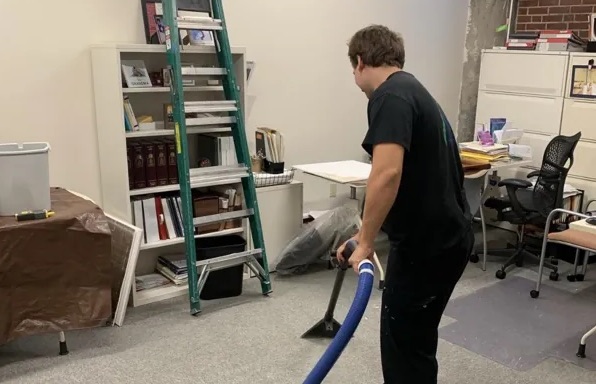
Local Floor Water Damage Restoration Solutions in Glendale
Water under flooring threatens structural stability and creates health hazards like mold. Properties in Glendale need immediate action to protect the investment and indoor air quality.
Wet floor restoration services in Glendale and nearby areas like Whitefish Bay, Fox Point and Shorewood focus on thorough moisture extraction from all flooring layers. This helps preserve the integrity of homes in Glendale.
Detailed Floor Water Damage Restoration for Glendale Properties
Tile Floor Water Damage Restoration
Water can seep through grout lines. Pros may lift a few tiles to extract water and dry the substrate before tiles loosen.
Concrete Floor Drying Services
Pros monitor slab moisture with meters and use desiccant or LGR dehumidifiers to reach the right dryness for new adhesive.
Subfloor Water Damage Repair
Wet subflooring causes structural problems if left. Pros stop the source, dry the area and repair it to a sound, level surface.
Emergency Floor Water Removal
The first hours matter most. Pros stop the water source and extract visible water before it seeps into walls.
Laminate Floor Water Damage Cleanup
Wet laminate warps and separates. Local restoration pros in Glendale remove standing water and pull up swollen planks so the subfloor can dry.
Warning Signs You Need Floor Water Damage Restoration
Musty or Damp Odors
A persistent earthy smell often means water is trapped within flooring materials, promoting microbial growth.
Visible Mold or Mildew
Fuzzy mold or black speckling on baseboards or flooring is a serious health hazard, indicating prolonged moisture in floor materials.
Cupping Hardwood Edges
Board edges that sit higher than the centers, called cupping, usually mean moisture is coming from below.
Squeaking or Creaking Sounds
New squeaks or creaks can mean fasteners loosened as the subfloor swelled from water underneath.
How Floor Water Damage Restoration Works in Glendale
Step 1: Flooded Floor Inspection
The process starts with a detailed inspection to map the extent of water migration.
Step 2: Targeted Water Removal
Extractors pull water from carpet, underlayment and the joints of hard floors to limit swelling and staining.
Step 3: Structural Drying Phase
High-velocity air movers force evaporation, while dehumidifiers capture the released moisture. This combination ensures thorough drying of the floor assembly.
Step 4: Final Verification and Cleanup
Before completion, moisture readings are taken to verify all materials are within dry standards. The area is then cleaned and sanitized.
What Leads to Wet Floors in Glendale
Roof Leaks and Storm Damage
Roof leaks travel along joists and walls before they show up, often soaking upper floors and the subfloor first.
Sprinkler System Accidents
A lawn sprinkler aimed at the house or an interior fire sprinkler discharge can put a lot of water on a floor fast.
Natural Flooding Events
Heavy rains, flash floods, or overflowing bodies of water can inundate ground-level floors.
HVAC System Condensation
A clogged condensate line or a sweating air handler can drip for weeks and soak the floor around the unit without anyone noticing.
Floor Water Damage Restoration for All Property Types in Glendale, WI
Residential Floor Water Damage Restoration
Residential floor water damage work covers common household incidents, from appliance overflows to plumbing leaks under sinks and toilets.
Commercial Floor Water Damage Restoration
Restoration pros prioritize water removal from expansive areas, employing industrial air movers and dehumidifiers to meet strict drying timelines and comply with building codes.
Floor Water Damage Restoration vs. DIY: When to Call the Pros
Use a wet-dry vacuum for minor spills on surfaces. Increase ventilation with open windows and fans. Monitor for dampness or odors over 24 hours. A spongy floor or musty smell means moisture has gone deeper and needs professional extraction.
Estimating Floor Water Damage Restoration Expenses in Glendale, WI
In Milwaukee County, the investment for wet floor restoration is calculated based on the depth of water penetration and the complexity of the drying process.
Antimicrobial Treatment Needs
An antimicrobial applied during drying, where the water was dirty or sat for a while, is a separate line on the bill.
Required Drying Time
The more days the flooring takes to dry, the longer the equipment runs and the higher the labor total.
Subfloor Damage Presence
A wet subfloor that has swelled or softened may need plywood replaced, which adds to the scope and the cost.
Does Insurance Cover Floor Water Damage Restoration?
Floor water damage coverage depends on your provider and policy. Most policies expect you to stop further damage quickly. The pros photograph the floor before work starts for your adjuster.
Advantages of Hiring Local Pros for Floor Water Damage Restoration in Glendale
EPA-Registered Antimicrobials
An antimicrobial can be applied to wet subfloor and framing during drying to help keep mold from starting.
24/7 Emergency Response
Help is available around the clock, which matters because floors keep soaking up water until it is removed.
Material-Specific Expertise
Hardwood, laminate, tile and vinyl react to water differently, so each gets its own drying approach.
Round-the-Clock Floor Water Damage Restoration in Glendale
Standing water on any flooring type demands early professional help. For urgent wet floor restoration assistance in Wisconsin, reach out to the pros at (414) 348-0250 any time, day or night.
Call Now (414) 348-0250Floor Water Damage Restoration Near Glendale: Areas Served
Help with floor water damage restoration reaches homes in Glendale and nearby Whitefish Bay, Fox Point and Shorewood, from hardwood and laminate to carpet and tile.
- Floor Water Damage Restoration in Whitefish Bay
- Floor Water Damage Restoration in Fox Point
- Floor Water Damage Restoration in Shorewood
- Floor Water Damage Restoration in Brown Deer
- Floor Water Damage Restoration in Wauwatosa
- Floor Water Damage Restoration in Mequon
- Floor Water Damage Restoration in Thiensville
- Floor Water Damage Restoration in West Allis
- Emergency Damage Restoration in 53209
- Storm Damage Restoration in 53209
- Water Damage Restoration in 53209
- Water Extraction Service in 53209
- Water Leak Detection in 53209
- Water Removal Service in 53209
Floor Water Damage Restoration FAQs
Are floor water damage services necessary for small leaks?
Even small, slow leaks can cause significant hidden damage over time, rotting subfloors and fostering mold.
What are signs of hidden subfloor water damage?
Signs include a spongy feel underfoot, buckling flooring, musty odors and stains along baseboards.
What is involved in the floor water damage restoration process?
It starts with water extraction, then moisture mapping, drying with air movers and dehumidifiers, and monitoring until the floor is dry.
How does the water source affect floor water damage cleanup?
Clean water needs standard drying. Gray or contaminated water also needs antimicrobial treatment and may mean discarding porous flooring.
Can water damaged hardwood floors always be repaired?
Often, if it is dried quickly. How badly the boards cup and how wet the subfloor is decide between refinishing and replacement.