Whitewater, WI · Walworth County
Emergency Water Extraction in Whitewater, WIWet Drywall Water Removal & Flooded Basement Water Removal
Emergency Water Extraction in Whitewater runs from standing water removal and emergency flood water extraction to wet drywall water removal.
Answered 24/7
Professional Emergency Water Extraction in Whitewater, WI
Carpet is often the first thing soaked in a Whitewater water emergency. Fast extraction with weighted tools pulls water from carpet and pad and gives the carpet a good chance of being saved.
In Whitewater, Palmyra, Fort Atkinson and Little Prairie, storms can send water into many homes at once. Emergency Water Extraction prioritizes standing water and spreading leaks so damage stops growing.
Emergency Water Extraction and Damage Mitigation in Whitewater
Wet Drywall Water Removal
Drywall that wicked up water is checked with a meter. Lightly damp drywall can be dried in place, while soaked drywall is cut out.
Flooded Basement Water Removal
Lower levels dry slowly, so drying continues until the slab and walls read normal before any repairs begin.
Standing Water Removal
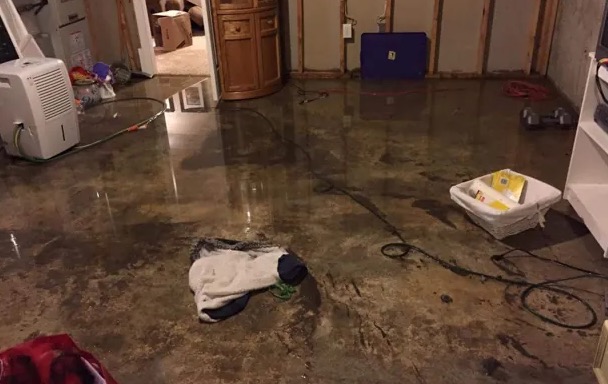
Standing water spreads under walls and into the next room. Extraction follows it until every wet floor is cleared.
Burst Pipe Water Extraction
Burst pipes release a lot of water fast. Extraction and drying start as soon as the pipe is shut off, before it soaks into more materials.
Emergency Flood Water Extraction
Floodwater from outside is treated as contaminated, so extraction is followed by removal of soaked porous materials and cleaning.
Warning Signs You Need Emergency Water Extraction
Swollen Doors or Cabinets
Doors that stick or cabinets that swell near a leak have soaked up water.
Musty or Damp Odors
A damp or musty smell after a leak means water is still trapped in carpet, walls or subfloor.
Bubbling Paint or Wallpaper
Paint or wallpaper that bubbles has water behind it, often from a leak inside the wall.
Wet Insulation in Attics
Insulation in the attic that is wet or matted points to a roof leak or attic plumbing failure.
How Emergency Water Extraction Works in Whitewater
Step 1: On-Scene Water Damage Analysis
The pros identify whether the water is clean, gray or sewage, which decides how it is removed.
Step 2: High-Volume Flood Water Extraction
Large pumps and extractors move floodwater out quickly, and contaminated materials are removed.
Step 3: Focused Wet Carpet Drying
Carpet is extracted again or lifted, and the pad and subfloor are dried or replaced.
Step 4: Post-Extraction Documentation
Readings are logged daily until every area is dry, then a final record is provided.
Common Causes of Water Damage in Whitewater
Burst or Leaking Pipes
Pipes can crack or burst from age, pressure or cold weather, releasing water fast.
Appliance Malfunctions and Overflows
Washers, dishwashers, water heaters and refrigerator lines fail and flood the floor around them.
HVAC System Condensation Issues
Clogged AC condensate lines overflow into closets, attics and the ceilings of rooms below.
Foundation Cracks and Seepage
Foundation cracks let groundwater seep into lower levels during long wet spells.
Whole-Property Emergency Water Extraction in Whitewater, WI
Residential Emergency Water Extraction
In homes, emergency extraction usually follows a burst pipe, water heater failure or overflowing toilet. Water is removed fast, belongings are protected and the house is dried so the family can return to normal.
Commercial Emergency Water Extraction
In businesses, water at night or over a weekend can flood offices, stores or kitchens. Extraction starts so the space can reopen as soon as possible.
Professional Emergency Water Extraction Over DIY in Whitewater
Lift furniture off wet carpet and put foil or plastic under the legs to prevent stains. Then call (414) 348-0250 to extract the carpet and pad underneath.
Estimating Emergency Water Extraction Expenses in Whitewater
In Whitewater, water extracted within hours usually costs much less overall than water left until the next day, when it has soaked into more materials.
Contents and Materials
Furniture, belongings and stock that must be moved or protected add labor to the job.
Depth of Standing Water
Deep standing water needs pumping before extraction, which adds time and equipment.
Necessary Demolition Work
Carpet pad, drywall and flooring that must be removed add labor and disposal costs.
Does Insurance Cover Emergency Water Extraction?
Photograph the water, the source and damaged belongings before cleanup starts, and keep receipts for emergency extraction, drying equipment and any hotel stay.
Benefits of Local Emergency Water Extraction in Whitewater
Clear Communication
You get plain updates on what was extracted, what was removed and how drying is going.
Sewage Safety
Sewage is extracted with protective gear, and contaminated areas are cleaned and disinfected.
Extraction Equipment
Pumps and truck-mounted or portable extractors remove water much faster than shop vacs.
Round-the-Clock Emergency Water Extraction in Whitewater, WI
Night, weekend or holiday, local emergency water extraction pros handle water emergencies in Whitewater. Call (414) 348-0250 any time to talk through the next steps.
Call Now (414) 348-0250Emergency Water Extraction for Whitewater and Surrounding Communities
Need emergency water extraction outside Whitewater? Service also covers Palmyra, Fort Atkinson and Little Prairie, including help during storms and holidays.
- Emergency Water Extraction in Palmyra
- Emergency Water Extraction in Fort Atkinson
- Emergency Water Extraction in Little Prairie
- Emergency Water Extraction in Jefferson
- Emergency Water Extraction in Rome
- Emergency Water Extraction in Helenville
- Emergency Water Extraction in Elkhorn
- Emergency Water Extraction in Sullivan
- Emergency Damage Restoration in 53190
- Storm Damage Restoration in 53190
- Water Damage Restoration in 53190
- Water Extraction Service in 53190
- Water Leak Detection in 53190
- Water Removal Service in 53190
Frequently Asked Questions About Emergency Water Extraction
What happens after the water is extracted?
Moisture readings show what is still wet, materials that cannot be saved are removed and drying equipment runs for several days.
What is the process for flood water extraction?
Make power safe, pump out deep water, extract floors and carpet, remove contaminated materials and dry the structure.
How should flood water extraction begin?
As soon as the source is stopped and power is safe. Water soaks deeper into materials every hour it sits.
How is wet drywall handled during water removal?
Lightly damp drywall is dried through small holes near the base. Soaked drywall is cut out so the cavity can dry.
What is moisture inspection and why is it needed?
Checking walls, floors and ceilings with meters and thermal cameras to find water that is not visible after extraction.