Lake Geneva, WI · Walworth County
Desiccant Dehumidification in Lake Geneva, WIFirefighting Water Drying & Emergency Dehumidification
After a flood, Desiccant Dehumidification in Lake Geneva means flood drying services, emergency dehumidification and water damage dehumidification.
Answered 24/7
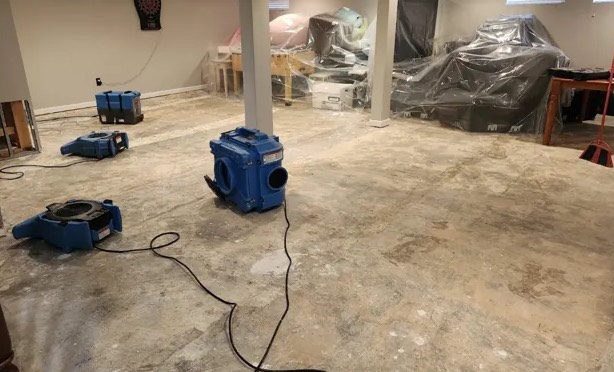
Local Desiccant Dehumidification Services for Lake Geneva
Desiccant Dehumidification in Lake Geneva is not needed for every job. Small leaks in warm rooms often dry well with standard dehumidifiers. Cool spaces, large buildings and dense materials are where desiccant units help most.
Homes, job sites and commercial buildings in Lake Geneva and nearby Delavan, Elkhorn and Twin Lakes sometimes need more drying power than standard equipment provides. Help with desiccant dehumidification covers those cases.
Comprehensive Desiccant Dehumidification for Lake Geneva
Firefighting Water Drying
After a fire, water used by firefighters soaks walls, floors and ceilings. Desiccant drying helps dry those materials once debris is cleared.
Emergency Dehumidification
Equipment is sized to the space on the first visit and adjusted each day based on readings.
Mold Prevention Drying
Drying an area quickly after affected materials are removed limits regrowth. Desiccant units help reach low humidity in closed work areas.
Water Damage Dehumidification
After a leak or flood, dehumidifiers remove moisture from the air so wet drywall, wood and carpet can dry out.
Crawl Space Drying
Readings on the wood framing are taken at each visit until they return to normal levels.
Indicators for Desiccant Dehumidification in Your Lake Geneva Home
Warped Wood Floors or Trim
Wood floors or trim that cup or warp after a leak are still taking on moisture.
Visible Condensation on Windows
Windows that fog or drip inside show the air holds too much moisture for materials to dry.
Strong Damp Odor in Rooms
A damp smell that stays in a room after cleanup means materials there are still holding moisture.
Peeling Paint or Wallpaper
Paint or wallpaper that peels after a leak has moisture behind it that has not dried.
How Desiccant Dehumidification Works in Lake Geneva
Step 1: Moisture Mapping
Readings across walls, floors and framing show exactly where moisture remains in the building.
Step 2: Equipment Placement
Dehumidifiers and air movers are placed where the moisture readings are highest.
Step 3: Continuous Moisture Extraction
Drying runs until the wettest areas match the rest of the building.
Step 4: Confirmation and Reporting
A report shows the starting and final moisture readings for each area that was dried.
What Leads to Humidity Damage Needing Desiccant Dehumidification in Lake Geneva
Groundwater Rise After Heavy Rains
Groundwater rising after long rains keeps crawl spaces and lower levels damp.
Severe Weather and Storm Flooding
Storms and flooding soak lower levels and leave large volumes of wet material.
Plumbing Leaks or Pipe Bursts
Burst pipes and leaking supply lines soak walls and floors that then need drying.
Foundation Cracks and Seepage
Foundation cracks let groundwater seep into lower levels, keeping walls and floors damp.
Both Residential and Commercial Desiccant Dehumidification in Lake Geneva
Residential Desiccant Dehumidification
Homeowners with damp basements may need desiccant drying after a flood because cool concrete and air slow standard units.
Commercial Desiccant Dehumidification
Warehouses with large slabs and stock need humidity kept low during drying to protect inventory and dry the concrete.
Why DIY Falls Short for Desiccant Dehumidification in Lake Geneva
You can run your own dehumidifier and keep the wet room closed. Drying soaked materials in a crawl space or cool lower level usually needs commercial equipment.
Factors in Desiccant Dehumidification Pricing for Lake Geneva
Flood cleanup, crawl space access, material removal and after-hours setup all add to the total for desiccant dehumidification in Lake Geneva.
Moisture Saturation Level
Materials that are fully soaked take longer to dry than lightly damp ones.
Affected Area Size
Larger affected areas need more drying units and more air movers running at once.
Additional Restoration Steps
Extraction, material removal and cleaning before drying are separate steps that add to the total.
Does Insurance Cover Desiccant Dehumidification?
Photograph wet areas before drying begins and keep receipts for emergency extraction, drying equipment and any hotel stay during the work.
Advantages of Hiring Local Pros in Lake Geneva for Desiccant Dehumidification
Desiccant Equipment
Desiccant units are used where they fit, such as cool spaces, crawl spaces and large buildings.
Targeted Drying
Equipment is placed for the specific materials and spaces that are wet.
Prevention of Mold
Fast, complete drying is one of the main ways to keep mold from starting after water damage.
Round-the-Clock Desiccant Dehumidification in Lake Geneva, WI
Water damage that needs drying in Lake Geneva? Call (414) 348-0250 to get dehumidifiers and air movers in place. Help is available 24/7.
Call Now (414) 348-0250Desiccant Dehumidification Coverage for Lake Geneva and Beyond
Nearby areas served for desiccant dehumidification include Delavan, Elkhorn and Twin Lakes, with the same equipment and readings used in Lake Geneva.
- Desiccant Dehumidification in Delavan
- Desiccant Dehumidification in Elkhorn
- Desiccant Dehumidification in Twin Lakes
- Desiccant Dehumidification in Burlington
- Desiccant Dehumidification in East Troy
- Desiccant Dehumidification in Waterford
- Desiccant Dehumidification in Eagle
- Desiccant Dehumidification in Mukwonago
- Emergency Damage Restoration in 53147
- Storm Damage Restoration in 53147
- Water Damage Restoration in 53147
- Water Extraction Service in 53147
- Water Leak Detection in 53147
- Water Removal Service in 53147
Common Desiccant Dehumidification Questions Answered
What does water damage dehumidification include?
Taking readings, placing dehumidifiers and air movers, logging progress daily and confirming materials are dry.
How long does crawl space drying typically take?
Often several days, depending on how wet the framing is and how cool and damp the space stays.
Can desiccant dehumidification dry behind walls?
Dry air helps, especially when directed into wall cavities through small openings, with readings to confirm results.
When is desiccant dehumidification a better choice than refrigerant units?
In cool spaces, very large areas or when very low humidity is needed to dry dense materials.
What is involved in basement dehumidification after a flood?
Removing water, placing dehumidifiers and air movers and running them until concrete and framing read dry.