Kiel, WI · Manitowoc County
Desiccant Dehumidification in Kiel, WIEmergency Dehumidification & Firefighting Water Drying
Desiccant Dehumidification in Kiel covers flood drying services, crawl space drying and emergency dehumidification.
Answered 24/7
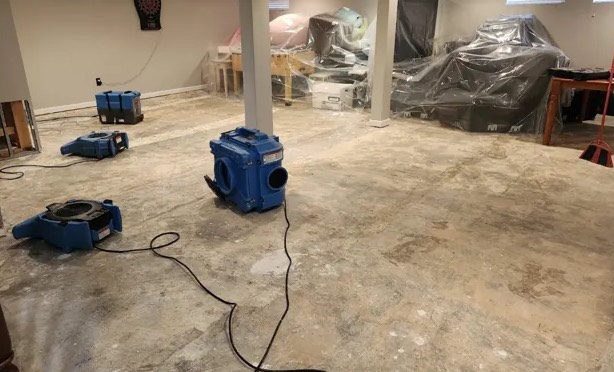
Local Desiccant Dehumidification Services for Kiel
Desiccant Dehumidification in Kiel is not needed for every job. Small leaks in warm rooms often dry well with standard dehumidifiers. Cool spaces, large buildings and dense materials are where desiccant units help most.
Property owners in Kiel can call (414) 348-0250 day or night when water damage needs drying. Service also covers Plymouth, Howards Grove and Sheboygan Falls, with equipment sized to the space.
Desiccant Dehumidification Options Available in Kiel
Emergency Dehumidification
Emergency dehumidification starts as soon as standing water is removed, which limits swelling, warping and odor.
Firefighting Water Drying
Drying after a fire is done once wet debris is removed, so the structure dries cleanly before rebuilding.
Basement Dehumidification
Basement concrete and framing release water slowly. Desiccant drying keeps humidity low so they can dry in a reasonable time.
Mold Prevention Drying
In contained work areas, desiccant dehumidifiers keep the air dry while damaged materials are removed and framing is cleaned.
Crawl Space Drying
Water is removed from the crawl space first, then desiccant drying brings humidity down so the framing can dry.
Warning Signs You Need Desiccant Dehumidification in Kiel
Warped Wood Floors or Trim
Wood floors or trim that cup or warp after a leak are still taking on moisture.
Strong Damp Odor in Rooms
A damp smell that stays in a room after cleanup means materials there are still holding moisture.
Musty Smell in Stored Items
Boxes and fabrics that smell musty show the space has stayed damp too long.
Peeling Paint or Wallpaper
Paint or wallpaper that peels after a leak has moisture behind it that has not dried.
How Desiccant Dehumidification Works in Kiel
Step 1: Initial Damage Inspection
Humidity and moisture readings are taken across the affected area to set the drying plan.
Step 2: Deployment of Drying Equipment
Desiccant or standard dehumidifiers and air movers are placed based on the space and readings.
Step 3: Monitored Drying Cycle
Readings are logged daily, and equipment is moved or adjusted as each material dries.
Step 4: Completion and Clearance
Final readings confirm materials are dry, and the space is cleared for repairs.
Origins of Dampness and Desiccant Dehumidification in Kiel Buildings
HVAC System Condensation Issues
Clogged AC drain lines overflow into attics, closets and the ceilings below them.
Roof Leaks From Damaged Shingles
Roof leaks from damaged shingles soak attic insulation, roof decking and the ceilings below.
Poor Ventilation in Enclosed Areas
Closed, poorly ventilated spaces trap moisture and dry very slowly after water damage.
Foundation Cracks and Seepage
Foundation cracks let groundwater seep into lower levels, keeping walls and floors damp.
Both Residential and Commercial Desiccant Dehumidification in Kiel
Residential Desiccant Dehumidification
In homes, desiccant drying is most often used in crawl spaces and cool lower levels after leaks or floods. Standard units are used in warm rooms where they work well.
Commercial Desiccant Dehumidification
In commercial buildings, high-capacity desiccant units can dry large floors and high-ceiling spaces after sprinkler leaks or floods, with drying planned around business hours.
Professional Desiccant Dehumidification or DIY in Kiel?
You can run your own dehumidifier and keep the wet room closed. Drying soaked materials in a crawl space or cool lower level usually needs commercial equipment.
Investing in Desiccant Dehumidification for Kiel Properties
The cost of desiccant dehumidification in Kiel depends on the size of the wet area, how wet the materials are and how long the equipment needs to run.
Time of Response
Night, weekend and holiday setup can cost more than a scheduled weekday visit.
Access and Complexity
Crawl spaces, tight areas and large buildings take more effort to set up and monitor.
Moisture Saturation Level
Materials that are fully soaked take longer to dry than lightly damp ones.
Does Insurance Cover Desiccant Dehumidification?
Coverage for desiccant dehumidification depends on the cause of the water and your policy. The pros document the drying, and your insurer decides what is covered.
The Value of Local Pros for Desiccant Dehumidification in Kiel
Structural Drying
Walls, floors and framing are dried, not just the air in the room.
Detailed Moisture Documentation
Daily humidity and moisture readings are logged to show progress and support insurance claims.
Prevention of Mold
Fast, complete drying is one of the main ways to keep mold from starting after water damage.
Urgent Desiccant Dehumidification Available in Kiel
If the wet area has electrical hazards or sagging ceilings, stay clear and shut off power if it is safe. Then call (414) 348-0250 for help in Kiel.
Call Now (414) 348-0250Desiccant Dehumidification Coverage for Kiel and Beyond
Other places served are listed below, each with its own page.
- Desiccant Dehumidification in Howards Grove
- Desiccant Dehumidification in Sheboygan Falls
- Desiccant Dehumidification in Kohler
- Desiccant Dehumidification in Sheboygan
- Desiccant Dehumidification in Oostburg
- Desiccant Dehumidification in Cedar Grove
- Desiccant Dehumidification in Fond du Lac
- Desiccant Dehumidification in Belgium
- Emergency Damage Restoration in 53042
- Storm Damage Restoration in 53042
- Water Damage Restoration in 53042
- Water Extraction Service in 53042
- Water Leak Detection in 53042
- Water Removal Service in 53042
Frequently Asked Questions About Desiccant Dehumidification
What are the benefits of construction drying services?
Drying slabs and drywall on schedule so flooring and finishes are not installed over damp materials.
When is desiccant dehumidification a better choice than refrigerant units?
In cool spaces, very large areas or when very low humidity is needed to dry dense materials.
What equipment is used for commercial building drying?
High-capacity desiccant or refrigerant dehumidifiers, air movers, moisture meters and sometimes ducting to direct dry air.
How does a desiccant dehumidifier work differently?
It passes air over a material that absorbs moisture instead of cooling the air, so it keeps working in cool conditions.
What happens after desiccant dehumidification is complete?
Final readings are recorded, equipment is removed and the space is ready for repairs or finishes.