Beaver Dam, WI · Dodge County
Desiccant Dehumidification in Beaver Dam, WIWater Damage Dehumidification & Construction Drying Services
After a flood, Desiccant Dehumidification in Beaver Dam means flood drying services, emergency dehumidification and water damage dehumidification.
Answered 24/7
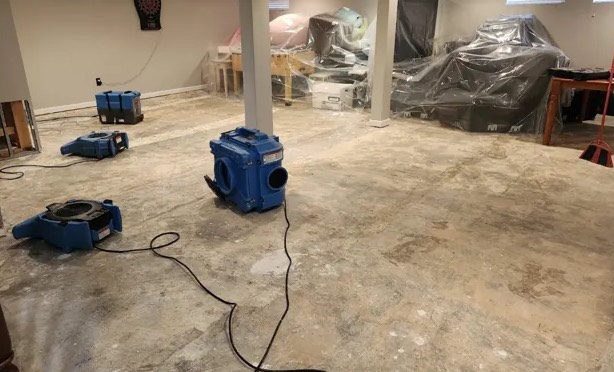
Desiccant Dehumidification Solutions in Beaver Dam, Wisconsin
Crawl spaces in Beaver Dam are cool, damp and tight, which slows drying with standard equipment. Desiccant units push dry air in to pull moisture from the joists and subfloor.
In Beaver Dam, Horicon, Mayville and Waupun, builders sometimes need slabs and drywall dried before flooring goes in. The pros lower humidity on the job site to speed that up.
Desiccant Dehumidification Options Available in Beaver Dam
Water Damage Dehumidification
After a leak or flood, dehumidifiers remove moisture from the air so wet drywall, wood and carpet can dry out.
Construction Drying Services
New construction can trap moisture in concrete, drywall mud and framing. Desiccant units help dry the building before finishes go in.
Basement Dehumidification
Once readings show the basement is dry, equipment is removed and the space is ready for repairs.
Flood Drying Services
Floodwater is treated as contaminated, so soaked porous materials are removed and surfaces cleaned before drying starts.
Mold Prevention Drying
Drying continues until readings on the remaining framing are normal, before walls are closed up again.
When to Consider Desiccant Dehumidification in Beaver Dam
Efflorescence on Masonry Surfaces
White, powdery deposits on masonry show water moving through concrete or block.
Recent Water Damage Event
Any recent leak or flood that soaked drywall, flooring or framing needs drying beyond a household unit.
High Humidity Readings on Meter
A hygrometer that keeps reading high humidity days after a leak shows the space is not drying.
Visible Condensation on Windows
Windows that fog or drip inside show the air holds too much moisture for materials to dry.
How Desiccant Dehumidification Works in Beaver Dam
Step 1: Initial Damage Inspection
Humidity and moisture readings are taken across the affected area to set the drying plan.
Step 2: Deployment of Drying Equipment
Desiccant or standard dehumidifiers and air movers are placed based on the space and readings.
Step 3: Monitored Drying Cycle
Readings are logged daily, and equipment is moved or adjusted as each material dries.
Step 4: Completion and Clearance
Final readings confirm materials are dry, and the space is cleared for repairs.
Origins of Dampness and Desiccant Dehumidification in Beaver Dam Buildings
Poor Ventilation in Enclosed Areas
Closed, poorly ventilated spaces trap moisture and dry very slowly after water damage.
HVAC System Condensation Issues
Clogged AC drain lines overflow into attics, closets and the ceilings below them.
Roof Leaks From Damaged Shingles
Roof leaks from damaged shingles soak attic insulation, roof decking and the ceilings below.
Fire Suppression System Activation
Fire sprinklers and firefighting water soak large areas of a building at once.
Both Residential and Commercial Desiccant Dehumidification in Beaver Dam
Residential Desiccant Dehumidification
In homes, desiccant drying is most often used in crawl spaces and cool lower levels after leaks or floods. Standard units are used in warm rooms where they work well.
Commercial Desiccant Dehumidification
In commercial buildings, high-capacity desiccant units can dry large floors and high-ceiling spaces after sprinkler leaks or floods, with drying planned around business hours.
The Limits of DIY Desiccant Dehumidification in Beaver Dam
Buying a moisture meter can help you check walls after a small leak. For larger damage, readings from local drying pros confirm when materials are truly dry.
Investing in Desiccant Dehumidification for Beaver Dam Properties
Flood cleanup, crawl space access, material removal and after-hours setup all add to the total for desiccant dehumidification in Beaver Dam.
Duration of Equipment Use
Drying usually takes several days, and each day of equipment use adds to the total.
Access and Complexity
Crawl spaces, tight areas and large buildings take more effort to set up and monitor.
Number of Dehumidifiers
The number and size of dehumidifiers needed for the space is a major part of the cost.
Does Insurance Cover Desiccant Dehumidification?
Construction drying on a new build is usually a project cost rather than an insurance claim. Ask your builder how it is handled.
Advantages of Hiring Local Pros in Beaver Dam for Desiccant Dehumidification
Targeted Drying
Equipment is placed for the specific materials and spaces that are wet.
Prevention of Mold
Fast, complete drying is one of the main ways to keep mold from starting after water damage.
Post-Flood Drying
Floodwater cleanup is followed by drying that continues until readings are normal.
24/7 Emergency Desiccant Dehumidification in Beaver Dam
Water damage that needs drying in Beaver Dam? Call (414) 348-0250 to get dehumidifiers and air movers in place. Help is available 24/7.
Call Now (414) 348-0250Desiccant Dehumidification Coverage for Beaver Dam and Beyond
Other places served are listed below, each with its own page.
- Desiccant Dehumidification in Horicon
- Desiccant Dehumidification in Mayville
- Desiccant Dehumidification in Waupun
- Desiccant Dehumidification in Columbus
- Desiccant Dehumidification in Hartford
- Desiccant Dehumidification in Lake Mills
- Desiccant Dehumidification in Johnson Creek
- Desiccant Dehumidification in Fond du Lac
- Emergency Damage Restoration in 53916
- Storm Damage Restoration in 53916
- Water Damage Restoration in 53916
- Water Extraction Service in 53916
- Water Leak Detection in 53916
- Water Removal Service in 53916
Desiccant Dehumidification Information: Your Questions
How long does crawl space drying typically take?
Often several days, depending on how wet the framing is and how cool and damp the space stays.
What happens after desiccant dehumidification is complete?
Final readings are recorded, equipment is removed and the space is ready for repairs or finishes.
What is desiccant dehumidification used for?
Drying spaces after water damage where standard dehumidifiers struggle, such as cool crawl spaces, large buildings and dense materials.
Can desiccant dehumidification help prevent mold?
Yes. Lowering humidity and drying materials quickly is one of the main ways to keep mold from starting.
How do rapid drying methods protect my property?
They dry materials before they swell, warp or grow microbes, which keeps repairs smaller.