Whitewater, WI · Walworth County
Damage Restoration Services in Whitewater, WIStorm Damage Repair & Fire Sprinkler Water Cleanup
Damage Restoration Services in Whitewater cover emergency water extraction, structural drying services and sewage backup cleanup.
Answered 24/7
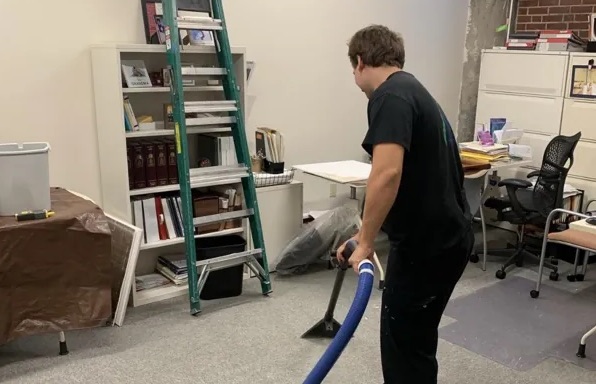
Damage Restoration Services You Can Count on in Whitewater
Water damage in Whitewater can come from a burst pipe, a failed appliance, a sewer backup, a storm or the water used to put out a fire. Each one soaks floors, walls and belongings, and each one gets worse the longer it waits.
Property owners in Whitewater can call (414) 348-0250 day or night when water damage happens. Service also covers Palmyra, Fort Atkinson and Little Prairie, with the same extraction and drying steps.
Damage Restoration Services Tailored for Whitewater
Storm Damage Repair
After a storm, water that came through the roof, windows or doors is extracted, and wet ceilings, walls and floors are dried.
Fire Sprinkler Water Cleanup
Rooms that got wet but not burned are dried quickly so they do not develop odors or water stains.
Smoke Damage Cleanup
Smoke residue spreads well past the burned room. Surfaces are cleaned, ducts are checked and odor is neutralized rather than masked.
Emergency Water Extraction
Water is followed under baseboards and into nearby rooms, and every wet area is extracted, not just the visible puddle.
Mold Remediation Services
Wet materials are dried quickly to keep mold from starting, and framing that stayed damp can be treated after drying.
Indicators Your Property Needs Damage Restoration Services
Discolored Walls or Ceilings
Stains or discoloration on walls and ceilings show water soaking in from a leak nearby or above.
High Indoor Humidity Levels
A home that feels humid and clammy may have wet materials releasing moisture.
Warped Flooring or Baseboards
Flooring that cups or baseboards that swell have absorbed water from below or behind.
Visible Mold Colonies
Dark spots on walls, ceilings or carpet backing mean an area has stayed wet for days.
How Damage Restoration Services Work in Whitewater
Step 1: Damage Assessment and Documentation
The source is stopped, the wet area is mapped and photos record the damage before work starts.
Step 2: Water Removal
Standing water is pumped and extracted from floors, carpet and low spots right away.
Step 3: Structural Drying
Air movers and dehumidifiers dry walls, floors and framing, with readings taken every day.
Step 4: Contents and Property Care
Belongings are cleaned or set aside, and the structure is readied for repairs once dry.
Frequent Sources of Flood Damage Restoration Calls
Roof Leaks and Compromises
Damaged shingles, flashing and roof vents let rain into attics and ceilings.
Foundation Cracks and Seepage
Foundation cracks let groundwater seep into lower levels and finished spaces after heavy rain.
Faulty Appliance Discharges
Washers, water heaters and dishwashers can fail without warning and flood floors and cabinets.
Severe Weather Events
Heavy storms push water through roofs, windows and doors into homes and businesses.
Damage Restoration Services for Every Building Type
Residential Damage Restoration Services
Homeowners often worry most about belongings. Furniture and keepsakes are moved out of the water first, then the structure is dried.
Commercial Damage Restoration Services
Property managers with several units or buildings get separate records for each, which keeps repairs and claims organized.
Damage Restoration Services vs. DIY: When to Call the Pros
Shutting off the water, turning off power to wet rooms and moving belongings are the right first steps. Call local water extraction experts if water reached carpet, walls, ceilings or more than one room.
Estimating Your Damage Restoration Services Costs
After-hours calls, contents handling, ceiling damage and multi-room water all add to the total for damage restoration services in Whitewater.
Required Equipment
The number of pumps, extractors, air movers and dehumidifiers needed affects the total.
Post-Restoration Repairs
Drywall, flooring and other repairs after drying are separate from the water removal cost.
Structural Drying Time
Drying usually takes several days, and each day of equipment adds cost.
Does Insurance Cover Damage Restoration Services?
Insurers often ask what caused the water and when it started. Notes on the source and the damage pattern help answer those questions.
Benefits of Local Damage Restoration Services in Whitewater
Contents Care
Furniture and belongings are moved, protected and listed so they can be dried or claimed.
Damage Assessment
The whole affected area is checked, including rooms next to and below the source.
24/7 Emergency Response
Help is available day or night, so water is removed before it spreads further.
Always Available Emergency Damage Restoration Services
If a ceiling is sagging or water is near outlets, leave the room and shut off power if it is safe. Then call (414) 348-0250 for help in Whitewater.
Call Now (414) 348-0250Damage Restoration Services Coverage for the Whitewater Region
Help with damage restoration services is also available in communities near Whitewater, including Palmyra, Fort Atkinson and Little Prairie, for leaks, floods and sewage backups.
- Damage Restoration Services in Palmyra
- Damage Restoration Services in Fort Atkinson
- Damage Restoration Services in Little Prairie
- Damage Restoration Services in Jefferson
- Damage Restoration Services in Rome
- Damage Restoration Services in Helenville
- Damage Restoration Services in Elkhorn
- Damage Restoration Services in Sullivan
- Emergency Damage Restoration in 53190
- Storm Damage Restoration in 53190
- Water Damage Restoration in 53190
- Water Extraction Service in 53190
- Water Leak Detection in 53190
- Water Removal Service in 53190
FAQs About the Damage Restoration Services Process
What happens to the water damage after a fire is put out?
Water from hoses and sprinklers is extracted, soaked materials are removed and the structure is dried.
Does flood damage restoration need special steps?
Yes. Floodwater is treated as contaminated, so soaked porous materials are removed and surfaces disinfected.
Why is quick action critical for water damage?
Materials absorb more water every hour, and mold becomes more likely after a day or two.
What safety steps are used when removing water-damaged materials?
Containment, protective gear and air scrubbers keep dust and contamination in the work area.
How long does the structural drying process usually take?
Often several days, depending on the materials, how long they were wet and how much water there was.