Lake Geneva, WI · Walworth County
Damage Restoration Services in Lake Geneva, WIMold Remediation Services & Firefighting Water Cleanup
Damage Restoration Services in Lake Geneva run from emergency water extraction and storm damage repair to structural drying services.
Answered 24/7
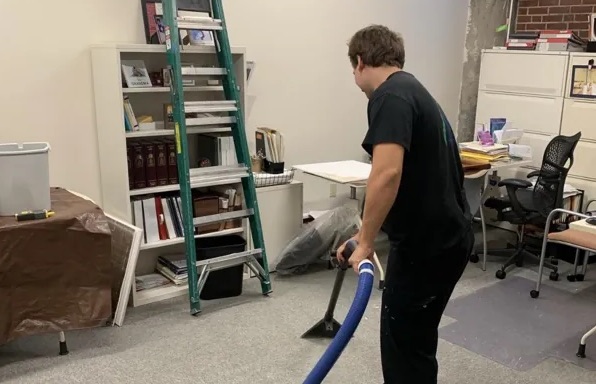
Local Damage Restoration Services for Lake Geneva Homes and Businesses
The first day after water damage in Lake Geneva matters most. Drywall wicks water upward, carpet pad breaks down and wood swells, and after a day or two the risk of microbial growth rises.
In Lake Geneva, Delavan, Elkhorn and Twin Lakes, water left after firefighting often causes as much damage as the fire. Local restoration pros extract that water and dry the rooms around the fire.
Damage Restoration Services Available for Lake Geneva
Mold Remediation Services
Wet materials are dried quickly to keep mold from starting, and framing that stayed damp can be treated after drying.
Firefighting Water Cleanup
After a fire is put out, the water used by firefighters soaks floors, walls and ceilings. That water is extracted and the structure is dried.
Fire Sprinkler Water Cleanup
Wet, soiled carpet and drywall from firefighting water are removed, and the remaining structure is dried and checked with readings.
Sewage Backup Cleanup
Sewage cleanup is contained so contamination stays out of clean rooms, and drying starts only after cleaning.
Structural Drying Services
Structural drying targets the materials water soaked into, using directed airflow into wall cavities and under flooring.
Signs of Damage Requiring Damage Restoration Services
Discolored Walls or Ceilings
Stains or discoloration on walls and ceilings show water soaking in from a leak nearby or above.
High Indoor Humidity Levels
A home that feels humid and clammy may have wet materials releasing moisture.
Visible Mold Colonies
Dark spots on walls, ceilings or carpet backing mean an area has stayed wet for days.
Sewage Odors in the Home
A sewage smell in the house can mean a drain backup or leaking drain line.
How Damage Restoration Services Work in Lake Geneva
Step 1: Emergency Response and Containment
Help is available any hour, and wet or contaminated areas are closed off from the rest of the building.
Step 2: Source Removal and Extraction
The leak or backup is stopped, and water and soaked materials are removed.
Step 3: Cleaning and Deodorization
Surfaces touched by dirty water are cleaned and disinfected, and odors are addressed.
Step 4: Drying and Verification
Drying continues until readings match unaffected areas of the building, and then the equipment is removed.
Frequent Sources of Water Damage in Lake Geneva
Poor Ventilation and Airflow
Poor ventilation keeps bathrooms and laundry rooms damp, slowly damaging walls and ceilings.
Roof Leaks and Compromises
Damaged shingles, flashing and roof vents let rain into attics and ceilings.
Plumbing System Failures
Burst pipes, failed fittings and leaking supply lines release water inside walls and floors.
Sewer Line Backups
Blocked sewer lines push wastewater up through floor drains, tubs and toilets on lower floors.
Damage Restoration Services for Every Building Type
Residential Damage Restoration Services
Homeowners often worry most about belongings. Furniture and keepsakes are moved out of the water first, then the structure is dried.
Commercial Damage Restoration Services
Property managers with several units or buildings get separate records for each, which keeps repairs and claims organized.
Damage Restoration Services vs. DIY: When to Call the Pros
Shutting off the water, turning off power to wet rooms and moving belongings are the right first steps. Call local restoration pros if water reached carpet, walls, ceilings or more than one room.
Factors Influencing Damage Restoration Services Cost in Lake Geneva, WI
The cost of damage restoration services in Lake Geneva depends on how much water there is, what type of water it is and how many rooms and materials it reached.
Required Equipment
The number of pumps, extractors, air movers and dehumidifiers needed affects the total.
Material Disposal Needs
Contaminated or ruined materials must be bagged and disposed of, which adds handling fees.
Extent of Damage
More rooms and materials affected means more extraction, more removal and more drying time.
Does Insurance Cover Damage Restoration Services?
After a fire, water damage from firefighting is usually part of the same claim. Make sure the adjuster sees the wet rooms as well as the burned ones.
Reasons for Professional Damage Restoration Services Intervention
Contents Care
Furniture and belongings are moved, protected and listed so they can be dried or claimed.
Industry Drying Standards
Drying follows industry water damage standards, with moisture readings taken at every visit.
Detailed Documentation
Photos, readings and drying logs are kept to support your insurance claim.
24/7 Emergency Damage Restoration Services for Lake Geneva
The faster water is removed, the more of your home can be saved. Call (414) 348-0250 for damage restoration services in Lake Geneva as soon as you find it.
Call Now (414) 348-0250Damage Restoration Services Near Lake Geneva
Nearby areas served for damage restoration services include Delavan, Elkhorn and Twin Lakes, with the same extraction and drying steps used in Lake Geneva.
- Damage Restoration Services in Delavan
- Damage Restoration Services in Elkhorn
- Damage Restoration Services in Twin Lakes
- Damage Restoration Services in Burlington
- Damage Restoration Services in East Troy
- Damage Restoration Services in Waterford
- Damage Restoration Services in Eagle
- Damage Restoration Services in Mukwonago
- Emergency Damage Restoration in 53147
- Storm Damage Restoration in 53147
- Water Damage Restoration in 53147
- Water Extraction Service in 53147
- Water Leak Detection in 53147
- Water Removal Service in 53147
Damage Restoration Services FAQs for Lake Geneva Property Owners
How long does the structural drying process usually take?
Often several days, depending on the materials, how long they were wet and how much water there was.
What does following industry drying standards mean?
Using moisture readings to guide drying and confirming materials are dry before equipment is removed.
How are odors handled after water damage?
By removing wet materials and drying the structure fully. Deodorizing is used if a smell remains.
What are signs I need help with water damage and mold?
Musty smells, dark spots on walls or ceilings, damp carpet and stains that keep spreading after a leak.
Is sewage backup cleanup dangerous to attempt myself?
It can be. Sewage carries bacteria, so cleanup needs protective gear, containment and disinfection.