Columbus, WI · Columbia County
Clean Water Extraction (Category 1) in Columbus, WICeiling Leak Water Removal & Appliance Leak Water Cleanup
Clean Water Extraction (Category 1) in Columbus runs from standing water pump out and appliance leak water cleanup to wall cavity water extraction.
Answered 24/7
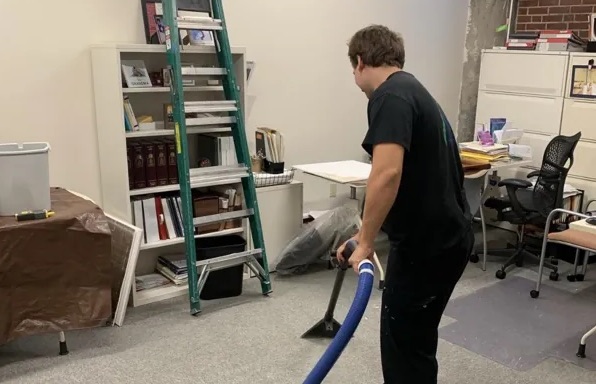
Clean Water Extraction (Category 1) for Columbus Properties
Clean Water Extraction (Category 1) in Columbus usually starts with a pump out or extraction, depending on how deep the water is. Then moisture meters check walls, subfloors and cabinets for water that soaked in.
Homeowners in Columbus can call (414) 348-0250 day or night when clean water floods a room. Service also covers Beaver Dam, Lake Mills and Horicon, with the same extraction and drying steps.
The Clean Water Extraction (Category 1) Process for Properties in Columbus
Ceiling Leak Water Removal
The ceiling cavity is dried along with the room below, so both levels are back to normal before repairs.
Appliance Leak Water Cleanup
A washer, dishwasher, refrigerator line or water heater leak is shut off, and the clean water is extracted from the floor and under nearby cabinets.
Wet Carpet Water Extraction
Carpet pad is checked after extraction. Pad soaked through is often replaced, while the carpet above is floated and dried.
Wall Cavity Water Extraction
Wet insulation in the wall cavity is pulled out so studs can dry. Drywall wet from clean water can often stay.
Standing Water Pump Out
Standing water from a supply line or appliance is pumped out with submersible pumps when it is more than shallow, then floors are extracted.
How to Know You Need Clean Water Extraction (Category 1) in Columbus
Sudden Indoor Flooding
Water spreading across a floor suddenly means a supply line or appliance has failed and needs shutting off.
Water Around Appliances
Water around the washer, water heater, dishwasher or refrigerator points to a failing hose or fitting.
Water Stains on Ceilings
A new stain on the ceiling usually means clean water from a pipe or fixture above.
Damp Hardwood or Tile Floors
Hardwood or tile that feels damp, or grout that stays dark, has water soaking in or underneath.
How Clean Water Extraction (Category 1) Works in Columbus
Step 1: Emergency Water Inspection
The source and type of water are confirmed, and the wet area is mapped with moisture meters.
Step 2: Standing Water Pump Out
Deep water is pumped out, and floors are extracted once the water is shallow enough.
Step 3: Targeted Moisture Removal
Carpet, hard floors and wall bases are extracted and dried with directed airflow.
Step 4: Drying Verification and Documentation
Daily readings track drying, and a final log confirms the area is back to normal.
Frequent Sources of Home Water Leaks in Columbus
Burst or Leaking Pipes
Pipes can crack or burst from age, pressure or cold, releasing clean water into the house.
Appliance Malfunctions
Washers, dishwashers and refrigerators fail at hoses and fittings and leak onto the floor.
Water Heater Failure
Water heaters leak or burst as tanks corrode and fittings wear out.
Overflowing Sinks or Tubs
Sinks and tubs left running overflow with clean water onto floors and into rooms below.
Clean Water Extraction (Category 1) in Columbus: Residential and Commercial
Residential Clean Water Extraction (Category 1)
In two-story homes, a clean water leak upstairs often reaches the ceiling below. Both levels are extracted and dried.
Commercial Clean Water Extraction (Category 1)
Warehouses and large spaces may need extra pumps and dehumidifiers for open floors, sized to the area that got wet.
Clean Water Extraction (Category 1) vs. DIY Cleanup in Columbus
If clean water has been sitting for more than a day, it may no longer be clean. Call local restoration pros to check before deciding what can be dried.
Clean Water Extraction (Category 1) Cost Variables in Columbia County
In Columbus, clean water jobs usually cost less than dirty water jobs, because more carpet, drywall and flooring can be dried in place.
Water Category and Source
Clean water costs less to handle than gray or black water, since more materials can be dried in place.
Affected Square Footage
More square feet of wet flooring and walls means more extraction and more drying equipment.
Access and Complexity
Crawl spaces, tight closets and areas under cabinets take more work to reach and dry.
Does Insurance Cover Clean Water Extraction (Category 1)?
The failed appliance or pipe itself is often not covered, even when the water damage is. Ask your adjuster how your policy treats each.
The Value of Professional Clean Water Extraction (Category 1) in Columbus
24/7 Emergency Response
Help is available day or night, so clean water is extracted before it soaks deeper or gets dirtier.
Content Protection and Moving
Furniture and belongings are moved or blocked up so they stay dry and do not stain carpet.
Drying Plan
Drying follows a set plan based on readings, with equipment moved as each area dries.
Emergency Clean Water Extraction (Category 1) Response for Columbus
Night, weekend or holiday, local restoration pros handle clean water leaks in Columbus. Call (414) 348-0250 to get extraction and drying started.
Call Now (414) 348-0250Local Clean Water Extraction (Category 1) Areas Including Columbus
Other places served are listed below, each with its own page.
- Clean Water Extraction (Category 1) in Beaver Dam
- Clean Water Extraction (Category 1) in Lake Mills
- Clean Water Extraction (Category 1) in Horicon
- Clean Water Extraction (Category 1) in Watertown
- Clean Water Extraction (Category 1) in Johnson Creek
- Clean Water Extraction (Category 1) in Waupun
- Clean Water Extraction (Category 1) in Jefferson
- Clean Water Extraction (Category 1) in Mayville
- Emergency Damage Restoration in 53925
- Storm Damage Restoration in 53925
- Water Damage Restoration in 53925
- Water Extraction Service in 53925
- Water Leak Detection in 53925
- Water Removal Service in 53925
Common Clean Water Extraction (Category 1) Queries Answered
What tools are used for home water extraction?
Submersible pumps, extractors, weighted carpet tools, air movers, dehumidifiers, moisture meters and thermal cameras.
Are air movers and dehumidifiers always necessary?
For anything beyond a small surface spill, yes. The pros dry the water that soaked into carpet, walls and subfloors.
What is the goal of water mitigation services?
To limit the damage by removing water and drying materials before they need to be replaced.
What methods are used for water behind walls?
Small holes or removed baseboards let air into the cavity, wet insulation is removed and the wall is dried until readings are normal.
Is commercial water extraction different from residential?
The steps are the same, but commercial jobs often cover larger areas and are planned around business hours.