St. Francis, WI · Milwaukee County
Black Water Extraction (Category 3) in St. Francis, WISewage Damage Report For Insurance & Sewage Backup Water Extraction
Black Water Extraction (Category 3) in St. Francis includes septic tank backup cleanup, storm sewer flood water removal and black water drying.
Answered 24/7
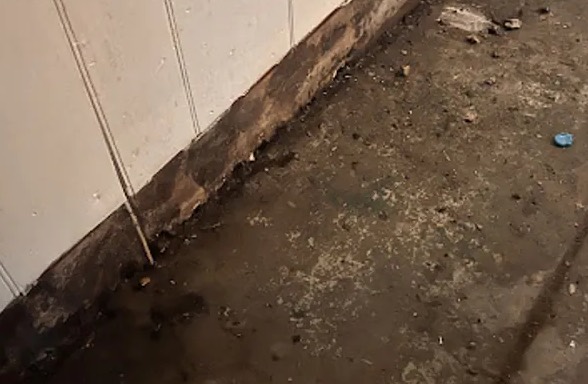
Local Black Water Extraction (Category 3) Services in St. Francis
Drying is the last step in black water cleanup, not the first. In St. Francis, running fans on contaminated carpet or drywall can spread odor and contamination through the house.
In St. Francis, Cudahy, South Milwaukee and Greenfield, heavy storms can overload sewer systems and push dirty water into homes. The pros handle that water with protective gear and disinfection.
Complete Black Water Extraction (Category 3) Protocols in St. Francis
Sewage Damage Report for Insurance
Documentation starts before cleanup, with photos of the water level and affected rooms, and continues through final drying.
Sewage Backup Water Extraction
Sewage that backs up through floor drains, toilets or tubs is extracted with protective gear, and the area is sealed off from clean rooms.
Toilet Overflow Water Removal
Toilet water that has spread across a floor is treated as contaminated. It is extracted, and floors, baseboards and lower walls are disinfected.
Black Water Drying
After cleaning and disinfection, air movers and dehumidifiers dry the structure, with readings taken daily until each area is normal.
Septic Tank Backup Cleanup
Septic backups often come up through the lowest drains. Those rooms are contained, cleaned and dried, and the septic issue is noted for a septic contractor.
Signs of Black Water Contamination in St. Francis Homes
Septic Tank Backup in Yard
Soggy ground, odors or sewage above the septic tank or drain field point to a septic failure.
Toilet Overflow Spreading Water
Toilet water spreading across the bathroom floor is treated as contaminated, even if it looks clear.
Storm Drain Water in Garage
Water that flowed into the garage from the street or storm drain carries soil and contaminants.
Visible Sewage in Crawlspace
Sewage or standing dirty water in a crawl space needs extraction and disinfection before drying.
How Black Water Extraction (Category 3) Works in St. Francis
Step 1: Source Identification and Stop
Water use is stopped and the backup source is found, such as a sewer or septic problem.
Step 2: Category 3 Water Extraction
Contaminated water is extracted with protective gear and removed materials are bagged.
Step 3: Antimicrobial Treatment Application
Disinfected surfaces are treated with an antimicrobial to slow mold during drying.
Step 4: Verification of Dry Conditions
Final readings are compared to dry areas before the space is released for repairs.
Sources of Black Water in St. Francis Homes
Groundwater Infiltration
Groundwater seeping into damaged sewer lines can overload them and cause backups.
Appliance Drain Line Leak
A blocked washer or dishwasher drain can push dirty water back onto the floor.
Septic System Failure
A full or failing septic tank or drain field sends wastewater back up through the lowest drains.
Severe Storm or Flooding
Heavy storms and flooding push contaminated surface water into basements and ground floors.
Residential and Commercial Black Water Extraction (Category 3) in St. Francis
Residential Black Water Extraction (Category 3)
A backup in a finished lower level can affect bedrooms, family rooms and storage. Each area is contained, cleaned and dried in order.
Commercial Black Water Extraction (Category 3)
Commercial buildings with shared sewer lines may see repeat backups. The cause is noted so the building owner can arrange line repairs.
Handling Black Water: DIY Risks and When to Call the Pros
If you are unsure whether the water is contaminated, treat it as if it is. Keep people and pets away and call (414) 348-0250 for an assessment.
Factors Influencing Black Water Extraction (Category 3) Cost in St. Francis
In St. Francis, removal and disposal of contaminated carpet, drywall and insulation make up a large share of black water cleanup costs.
Extent of Contamination
The more area the sewage reached, the more extraction, removal and disinfection the job needs.
Required Drying Time
Drying after cleanup can take several days, and each day adds equipment time.
Access Difficulty
Crawl spaces, tight utility rooms and finished areas make contaminated water harder to reach and remove.
Does Insurance Cover Black Water Extraction (Category 3)?
Photos, a list of removed materials and drying logs from local contaminated water damage specialists help support a sewage damage claim in St. Francis.
Benefits of Local Pros for Black Water Extraction (Category 3) in St. Francis
Storm Flood Response
Outside floodwater is treated as contaminated, with mud and debris removed before cleaning.
24/7 Emergency Response
Help is available day or night, because sewage backups cannot wait until business hours.
Detailed Damage Documentation
Photos, readings and removal lists are kept to support your insurance claim.
24/7 Black Water Extraction (Category 3) for St. Francis Emergencies
If sewage is near outlets or appliances, turn off power at the panel if it is safe and stay out of the water. Then call (414) 348-0250 for help in St. Francis.
Call Now (414) 348-0250Black Water Extraction (Category 3) Serving St. Francis, Cudahy, South Milwaukee and Greenfield
Help with black water extraction (category 3) is also available in communities near St. Francis, including Cudahy, South Milwaukee and Greenfield, for sewer backups, septic overflows and contaminated floodwater.
- Black Water Extraction (Category 3) in Cudahy
- Black Water Extraction (Category 3) in South Milwaukee
- Black Water Extraction (Category 3) in Greenfield
- Black Water Extraction (Category 3) in Oak Creek
- Black Water Extraction (Category 3) in Greendale
- Black Water Extraction (Category 3) in Shorewood
- Black Water Extraction (Category 3) in Franklin
- Black Water Extraction (Category 3) in Caledonia
- Emergency Damage Restoration in 53235
- Storm Damage Restoration in 53235
- Water Damage Restoration in 53235
- Water Extraction Service in 53235
- Water Leak Detection in 53235
- Water Removal Service in 53235
FAQ for Black Water Extraction (Category 3) in St. Francis
Why is documentation important for sewage damage?
Sewage claims depend on the cause and policy add-ons. Photos, removal lists and readings give the adjuster what they need.
How is storm sewer flood water different from a pipe leak?
It carries soil, debris and contaminants from outside, so it is treated as Category 3 rather than clean water.
Is sewage backup cleanup dangerous?
It can be. Sewage carries bacteria and viruses, so cleanup needs protective gear, containment and disinfection.
What safety measures are used during extraction?
Protective gear, plastic containment, controlled air pressure and air scrubbers to keep contamination in the work area.
What happens to removed contaminated materials?
They are bagged and disposed of according to local rules, and the removed items are listed for insurance.