Kiel, WI · Manitowoc County
Basement Water Removal in Kiel, WIBasement Drying Services & Basement Dehumidification
Homeowners in Kiel get Basement Water Removal for basement floor water damage, basement water pump out and basement moisture inspection.
Answered 24/7
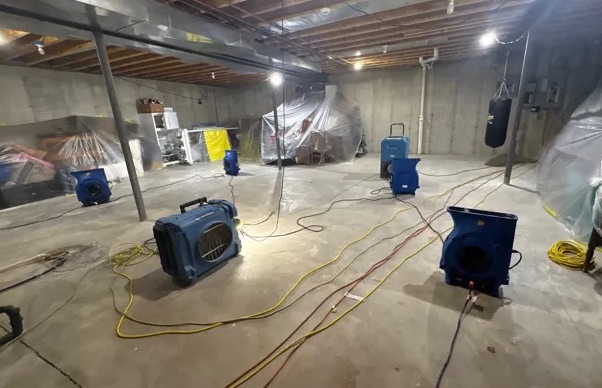
Local Basement Water Removal Services for Kiel
Basement Water Removal in Kiel starts with safety. Water near the furnace, water heater or electrical panel can be dangerous, so power is made safe before anyone steps into it.
In Kiel, when a basement or below-grade room takes on water, it usually follows heavy rain, a sewer backup or a burst pipe. Local water extraction experts serve Kiel, Plymouth, Howards Grove and Sheboygan Falls, pumping water out and drying the space.
The Basement Water Removal Process in Kiel
Basement Drying Services
Drying plans for basements account for cool air and thick concrete, which hold moisture longer than upper floors.
Basement Dehumidification
After drying, a household dehumidifier may still be needed to keep basement humidity in a healthy range.
Basement Floor Water Damage
Concrete floors are squeegeed, extracted and dried with airflow and dehumidifiers until moisture readings drop.
Sump Pump Failure Water Cleanup
Cleanup after a sump failure includes drying the area around the pit and noting whether the pump, switch or power was the cause.
Basement Water Pump Out
Pumping starts once power to the basement is safe. Deep water goes first, then extractors handle the thin layer left on the floor.
Indicators You Need Professional Water Removal
Soggy or Wet Carpeting
Carpet that feels damp or smells sour is holding water in the pad against the concrete.
Mold or Mildew
Dark spots on drywall, framing or stored items mean the area has stayed wet for days.
Gurgling Sounds From Drains
Gurgling floor drains or slow drains can be an early sign of a sewer line problem.
High Humidity and Condensation
Water on pipes and windows, or a constantly clammy feel, means basement humidity is too high.
How Basement Water Removal Works in Kiel
Step 1: Emergency Water Extraction
Power is made safe, then pumps and extractors remove standing water from the basement floor.
Step 2: Detailed Moisture Inspection
Meters map wet walls, framing and slab areas, including behind finished walls and under flooring.
Step 3: Drying and Dehumidification
Air movers and large dehumidifiers run continuously, with readings checked every day.
Step 4: Final Verification and Monitoring
Readings are compared to dry areas, and equipment is removed only when the basement tests dry.
Common Causes of Basement Water Damage in Kiel
Window Well Leaks and Drainage
Window wells without drains or covers fill with rain and leak through the windows.
Improper Landscape Grading
Soil that slopes toward the house directs rainwater straight to the basement walls.
Plumbing Leaks or Pipe Bursts
Supply lines, drain pipes and water heaters in the basement can leak or burst onto the floor.
High Water Table and Hydrostatic Pressure
A high water table presses groundwater against the slab and walls, forcing it inside.
Professional Basement Water Removal for All Properties
Residential Basement Water Removal
Families should keep children and pets away from basement water until power is safe and the type of water is known.
Commercial Basement Water Removal
In restaurants and shops, basement water near food or stock storage needs removal and cleaning before those areas are used again.
Professional Basement Water Removal Versus Do-It-Yourself
Fans by themselves can spread damp basement air through the rest of the house. Basement drying needs dehumidifiers that pull moisture out of both the air and the concrete.
Investing in Professional Basement Water Removal
Sewage cleanup, finished walls, after-hours calls and damaged appliances all add to the total for basement water removal in Kiel.
Water Depth and Volume
Deeper water takes more pumping time and usually means more materials got wet.
Time of Service
Night, weekend and storm calls can cost more than a scheduled weekday visit.
Basement Square Footage
Larger basements need more extraction, more drying equipment and more days of drying.
Does Insurance Cover Basement Water Removal?
Ask your adjuster early how your policy treats seepage and sewer backups, since many policies limit or exclude both kinds of water.
Advantages of Local Basement Water Removal Experts
Industry Drying Standards
Water removal and drying follow industry water damage standards, with readings at every visit.
Moisture Inspection
Meters and thermal cameras find water in walls, floors and slab that looks dry.
Contamination Safety Protocols
Sewage and dirty water are handled with protective gear, containment and disinfection.
24/7 Emergency Basement Water Removal in Kiel
Basement taking on water in Kiel? Make power safe if you can, move what you can and call (414) 348-0250. Help is available 24/7.
Call Now (414) 348-0250Basement Water Removal Serving Kiel and Surroundings
Each place listed below has its own page with local details.
- Basement Water Removal in Plymouth
- Basement Water Removal in Howards Grove
- Basement Water Removal in Sheboygan Falls
- Basement Water Removal in Kohler
- Basement Water Removal in Sheboygan
- Basement Water Removal in Oostburg
- Basement Water Removal in Cedar Grove
- Basement Water Removal in Fond du Lac
- Emergency Damage Restoration in 53042
- Storm Damage Restoration in 53042
- Water Damage Restoration in 53042
- Water Extraction Service in 53042
- Water Leak Detection in 53042
- Water Removal Service in 53042
Basement Water Removal FAQs
What equipment is used for basement water extraction?
Submersible pumps, extractors, wet vacs, air movers, large dehumidifiers and moisture meters to confirm drying.
How does a basement moisture inspection work?
Moisture meters and thermal cameras check walls, floors and the slab, including behind finished walls and under flooring.
What is the difference between a pump out and extraction?
A pump out removes deep standing water. Extraction pulls the remaining water from carpet, pad and floors.
What should I do right after basement flooding?
Make power safe, avoid sewage, move belongings above the water, take photos and call for water removal.
What is involved in basement water removal?
Making power safe, pumping out standing water, extracting floors and carpet, removing soaked materials and dehumidifying until dry.