Lake Geneva, WI · Walworth County
Basement Water Damage Restoration in Lake Geneva, WIEmergency Basement Flood Cleanup & Basement Wall Drying
Get basement water damage restoration in Lake Geneva for basement floor water removal, basement mold prevention and basement drying services.
Answered 24/7
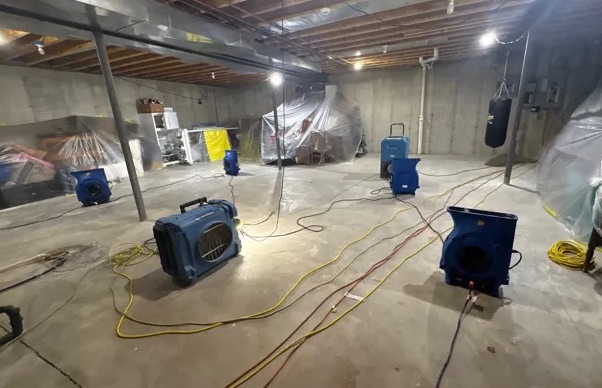
Professional Basement Water Damage Restoration in Lake Geneva, WI
Sewage backups are one of the most common problems in any basement or lower level, including in Lake Geneva. Water coming up through a floor drain or basement toilet carries bacteria and needs a different cleanup than clean water.
Homes in Lake Geneva and nearby Delavan, Elkhorn and Twin Lakes with basements deal with seepage, plumbing leaks and sewer backups. Help with basement water damage restoration covers pumping, removal of wet materials and drying of walls and concrete.
Basement Water Damage Restoration Services in Lake Geneva
Emergency Basement Flood Cleanup
A flooded basement can damage furnaces, water heaters and stored items quickly. Fast pumping limits how much is lost.
Basement Wall Drying
Concrete and block walls are dried with directed airflow and dehumidifiers, and checked with meters until readings drop.
Basement Sewer Backup Cleanup
Sewage that backs up through a floor drain or toilet is extracted with protective gear, and the area is contained from the rest of the house.
Basement Floor Water Removal
Water on a concrete floor is squeegeed and extracted, and floor coverings such as carpet, vinyl or laminate are lifted to dry the slab.
Basement Mold Prevention
Keeping basement humidity low after drying helps prevent mold from returning, especially in finished spaces.
When to Consider Basement Water Damage Restoration for Your Lake Geneva Home
Condensation on Windows or Pipes
Water beading on cold pipes or basement windows shows high humidity that keeps materials damp.
Efflorescence on Concrete Walls
White, chalky deposits on concrete walls mean water is moving through the concrete and leaving minerals behind.
Rusted Appliances or Pipes
Rust on the water heater, furnace base or pipes points to repeated moisture or past flooding.
Warped or Buckling Basement Floors
Laminate, wood or vinyl flooring that buckles or lifts in the basement has water underneath.
How Basement Water Damage Restoration Works in Lake Geneva
Step 1: Water Removal
Pumps and extractors remove standing water from the basement floor, starting at the lowest point.
Step 2: Targeted Moisture Evaporation
Air movers are aimed at wet walls, framing and the slab to speed evaporation.
Step 3: Humidity Control
Large dehumidifiers pull moisture from the basement air, with readings checked every day.
Step 4: Final Verification and Restoration
Final readings confirm the basement is dry, and the space is ready for drywall and flooring repairs.
Why Basement Water Damage Occurs in Lake Geneva
Failed or Clogged Drain Tile
Clogged or collapsed drain tile around the foundation lets water build up against the walls.
Stormwater Runoff Into Lower Levels
Heavy rain running off hard ground or a sloped yard can pour down stairwells and under doors into below-grade rooms.
Sewer Line Backups
A blocked or overloaded sewer line pushes wastewater up through basement drains and toilets.
Foundation Cracks and Leaks
Cracks in foundation walls let groundwater and melting snow seep into the basement.
Home and Business Basement Water Damage Restoration in Lake Geneva
Residential Basement Water Damage Restoration
In homes, a flooded basement often means damaged carpet, drywall, a furnace or water heater and stored belongings. Water is pumped out, contents are moved and the space is dried.
Commercial Basement Water Damage Restoration
In commercial buildings, basements hold mechanical rooms, storage and sometimes offices. Water is removed and equipment areas are dried so systems can be checked and restarted.
Basement Water Damage Restoration vs. DIY: When to Call the Pros
Fans alone can push damp air into the rest of the house. Basement drying needs dehumidifiers to pull the moisture out of the air and the concrete.
Understanding Basement Water Damage Restoration Pricing in Lake Geneva
Waterproofing or sump pump replacement is a separate cost from water removal and drying. In Lake Geneva, both may be needed to prevent a repeat.
Drying Time Required
Basements dry slowly, and longer drying means more equipment days and monitoring visits.
Dehumidification Needs
Large dehumidifiers may need to run longer in below-grade spaces than in upper floors.
Emergency Service
Night, weekend and storm calls can cost more than a scheduled visit.
Does Insurance Cover Basement Water Damage Restoration?
Photograph the water level, damaged belongings and appliances before cleanup starts, and keep receipts for emergency pumping and drying to send to your insurer.
Advantages of Hiring Local Pros in Lake Geneva for Basement Water Damage Restoration
Containment Strategies
Plastic sheeting keeps contaminated areas separate from clean parts of the house.
Advanced Moisture Detection
Moisture meters and thermal cameras find water in walls and slabs that looks dry.
Water Type Handling
Clean water, gray water and sewage are each handled with the right protection and removal steps.
24/7 Emergency Basement Water Damage Restoration in Lake Geneva
Water rising in your basement in Lake Geneva? Shut off power to the basement if it is safe, move what you can and call (414) 348-0250. Help is available 24/7.
Call Now (414) 348-0250Basement Water Damage Restoration Near Lake Geneva: Areas Served
Need basement water damage restoration outside Lake Geneva? Service also covers Delavan, Elkhorn and Twin Lakes, including emergency help during storms.
- Basement Water Damage Restoration in Delavan
- Basement Water Damage Restoration in Elkhorn
- Basement Water Damage Restoration in Twin Lakes
- Basement Water Damage Restoration in Burlington
- Basement Water Damage Restoration in East Troy
- Basement Water Damage Restoration in Waterford
- Basement Water Damage Restoration in Eagle
- Basement Water Damage Restoration in Mukwonago
- Emergency Damage Restoration in 53147
- Storm Damage Restoration in 53147
- Water Damage Restoration in 53147
- Water Extraction Service in 53147
- Water Leak Detection in 53147
- Water Removal Service in 53147
Basement Water Damage Restoration FAQs
Should I try below-grade waterproofing myself after flooding?
Sealing a small crack can be a DIY job, but drying must come first, and larger waterproofing work should go to a contractor.
What equipment is used for below-grade water damage repair?
Submersible pumps, extractors, air movers, large dehumidifiers, moisture meters and air scrubbers for dust and odor.
Can wet basement drywall be saved after water damage?
Sometimes, if the water was clean and removed quickly. Soaked or sewage-contaminated drywall is cut out above the water line.
What causes the most common below-grade leaks in homes?
Sump pump failures, foundation cracks, clogged drain tile, sewer backups and burst pipes in the basement ceiling.
Does basement mold prevention need special steps after flooding?
Fast drying is the main step. Wood and concrete that stayed wet can be treated with an antimicrobial once dry.