Plymouth, WI · Sheboygan County
Antimicrobial Treatment Services in Plymouth, WICrawl Space Antimicrobial Treatment & Basement Mold Prevention Treatment
Antimicrobial Treatment Services in Plymouth include emergency sewage sanitization, kitchen surface disinfection and post flood disinfection services after sewage or flooding.
Answered 24/7
Local Antimicrobial Treatment Services for Plymouth Properties
Antimicrobial Treatment Services in Plymouth are most often needed after a sewage backup, a flood or a leak that went unnoticed for days. Those are the situations where surfaces are likely to carry contamination or odor.
In Plymouth, Sheboygan Falls, Kohler and Howards Grove, many treatment calls come after a leak that was dried by the homeowner but still smells. The pros look for remaining moisture before deciding what needs treatment.
Complete Antimicrobial Treatment Services in Plymouth
Crawl Space Antimicrobial Treatment
Wet insulation and debris are removed from the crawl space first, then wood framing is cleaned and coated where moisture sat.
Basement Mold Prevention Treatment
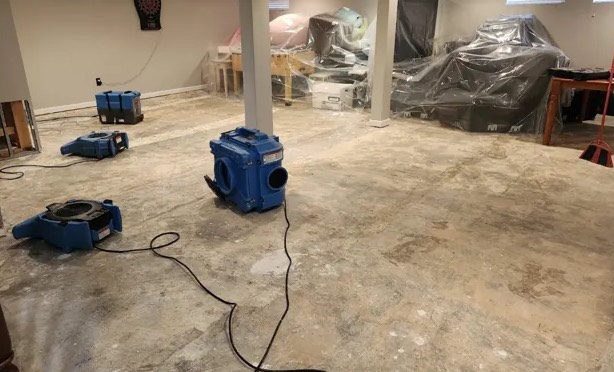
Wet drywall and carpet are removed from the basement, the space is dried, and remaining wood and concrete are treated before rebuilding.
Emergency Sewage Sanitization
Emergency sanitization starts with removing the contaminated water and soaked materials. Disinfection follows once surfaces are clean.
Bathroom Mold Treatment
Damaged caulk and stained drywall near a shower are removed, the area is dried, and an antimicrobial is applied before new materials go in.
Mold Remediation Antimicrobial Treatment
Remaining studs, joists and sheathing are cleaned, then coated with an antimicrobial so leftover spores have a harder time taking hold again.
Warning Signs You Need Antimicrobial Treatment Services
Recurring Mold After Cleaning
Spots that come back after cleaning usually mean the material is still wet inside or the leak was never fixed.
Poor Airflow From HVAC Vents
A musty smell from vents or weak airflow can mean moisture reached the ductwork or air handler.
Recent Water Damage or Flooding
Any recent flood, sewage backup or long-running leak is a reason to have surfaces checked and cleaned before rebuilding.
Wet Materials Left for Days
Drywall, carpet or framing that stayed wet for more than a couple of days is a likely place for microbial growth.
How Antimicrobial Treatment Services Work in Plymouth
Step 1: Source Identification
The leak, flood or backup that caused the damage is traced and stopped before any treatment begins.
Step 2: Source Removal and Decontamination
Contaminated water and soaked porous materials such as carpet pad and drywall are removed with protective gear.
Step 3: Air and Surface Disinfection
Hard surfaces are washed and then disinfected, and air scrubbers filter dust from the room while work continues.
Step 4: Drying Validation and Odor Control
Moisture readings confirm the materials are dry, and any lingering odors are addressed with extra cleaning or deodorizing.
Factors Contributing to Surface Sanitizing Issues in Plymouth
Storm Flooding and Natural Disasters
Floodwater carries soil and contaminants into walls, floors and anything it reaches.
Condensation on Cold Surfaces
Warm, humid air condensing on cold pipes, ducts and windows keeps nearby surfaces wet.
Plumbing Leaks and Pipe Bursts
Leaking supply lines and burst pipes soak walls and floors, and materials that stay wet can start to grow microbes.
Roof Leaks and Poor Ventilation
Roof leaks let water into attics and ceilings, where poor airflow keeps insulation and wood damp for days.
Antimicrobial Treatment Services for All Property Types in Plymouth
Residential Antimicrobial Treatment Services
Families with children or pets should ask which product is used and how long to stay out of treated rooms. The pros follow the label directions for re-entry.
Commercial Antimicrobial Treatment Services
In food service and medical settings, disinfection must match the surface and the business rules for that space. The products and steps are explained before work begins.
DIY Limitations Versus Professional Antimicrobial Treatment Services in Plymouth
You can dry a small leak and clean the surface yourself. Treating framing inside walls, crawl spaces or ductwork needs the source fixed, the material dried and the right product, which is harder to do at home.
Pricing Considerations for Antimicrobial Treatment Services in Plymouth
Treating soon after drying in Plymouth keeps the job smaller. Waiting can mean more stained framing to clean and more odor to deal with later.
Affected Square Footage
Larger treated areas need more product, more cleaning time and more labor.
Access and Containment
Crawl spaces, attics and ductwork take longer to reach and may need containment.
Odor Elimination Needs
Lingering odor may need extra cleaning or deodorizing steps beyond the antimicrobial.
Does Insurance Cover Antimicrobial Treatment Services?
Take photos before cleanup starts and keep receipts for any emergency work, such as sewage extraction done at night. Both help when you file a water damage claim.
Benefits of Local Pros for Antimicrobial Treatment Services in Plymouth
Industry Cleaning Standards
Cleaning and treatment follow industry water damage standards, applied only after the area is dry.
24/7 Emergency Response
Help is available day or night for sewage backups and other contaminated water.
Surface and Air Treatment
Hard surfaces are cleaned and disinfected, and air scrubbers can be used while work is under way.
Emergency Antimicrobial Treatment in Plymouth
The sooner wet, dirty surfaces are cleaned and treated, the less material needs replacing. Call (414) 348-0250 for antimicrobial treatment services in Plymouth.
Call Now (414) 348-0250Antimicrobial Treatment Services Coverage in Plymouth and Surrounding Communities
Help with antimicrobial treatment services reaches Sheboygan Falls, Kohler and Howards Grove, plus other communities around Plymouth, for houses, apartments and commercial buildings.
- Antimicrobial Treatment Services in Sheboygan Falls
- Antimicrobial Treatment Services in Kohler
- Antimicrobial Treatment Services in Howards Grove
- Antimicrobial Treatment Services in Kiel
- Antimicrobial Treatment Services in Oostburg
- Antimicrobial Treatment Services in Sheboygan
- Antimicrobial Treatment Services in Cedar Grove
- Antimicrobial Treatment Services in Belgium
- Emergency Damage Restoration in 53073
- Storm Damage Restoration in 53073
- Water Damage Restoration in 53073
- Water Extraction Service in 53073
- Water Leak Detection in 53073
- Water Removal Service in 53073
Common Antimicrobial Treatment Services Questions Answered
How soon after a flood should post flood disinfection begin?
Right after the water is removed and soaked materials are taken out. Surfaces are cleaned first, then disinfected and dried.
How do I know if I need mold remediation antimicrobial treatment?
If framing or subfloor stayed wet for days, shows dark spots after drywall removal or smells musty, it likely needs cleaning and treatment after drying.
How does bathroom mold treatment deal with hidden moisture?
The leak behind the tub, toilet or shower is found and fixed first, then wet materials are dried or replaced before treatment.
Why is emergency sewage sanitization different from regular cleaning?
Sewage and contaminated water carry bacteria and other contaminants, so they need protective gear, containment and disinfection, not just drying.
What records do local antimicrobial treatment pros provide for insurance claims?
Photos, moisture readings, the products used and a list of removed and treated materials, with the dates of each step.