Whitewater, WI · Walworth County
AC Unit Water Removal in Whitewater, WIAir Conditioner Restoration Services & Emergency AC Water Removal
AC Unit Water Removal in Whitewater runs from emergency AC water removal and AC leak water cleanup to air conditioner restoration services.
Answered 24/7
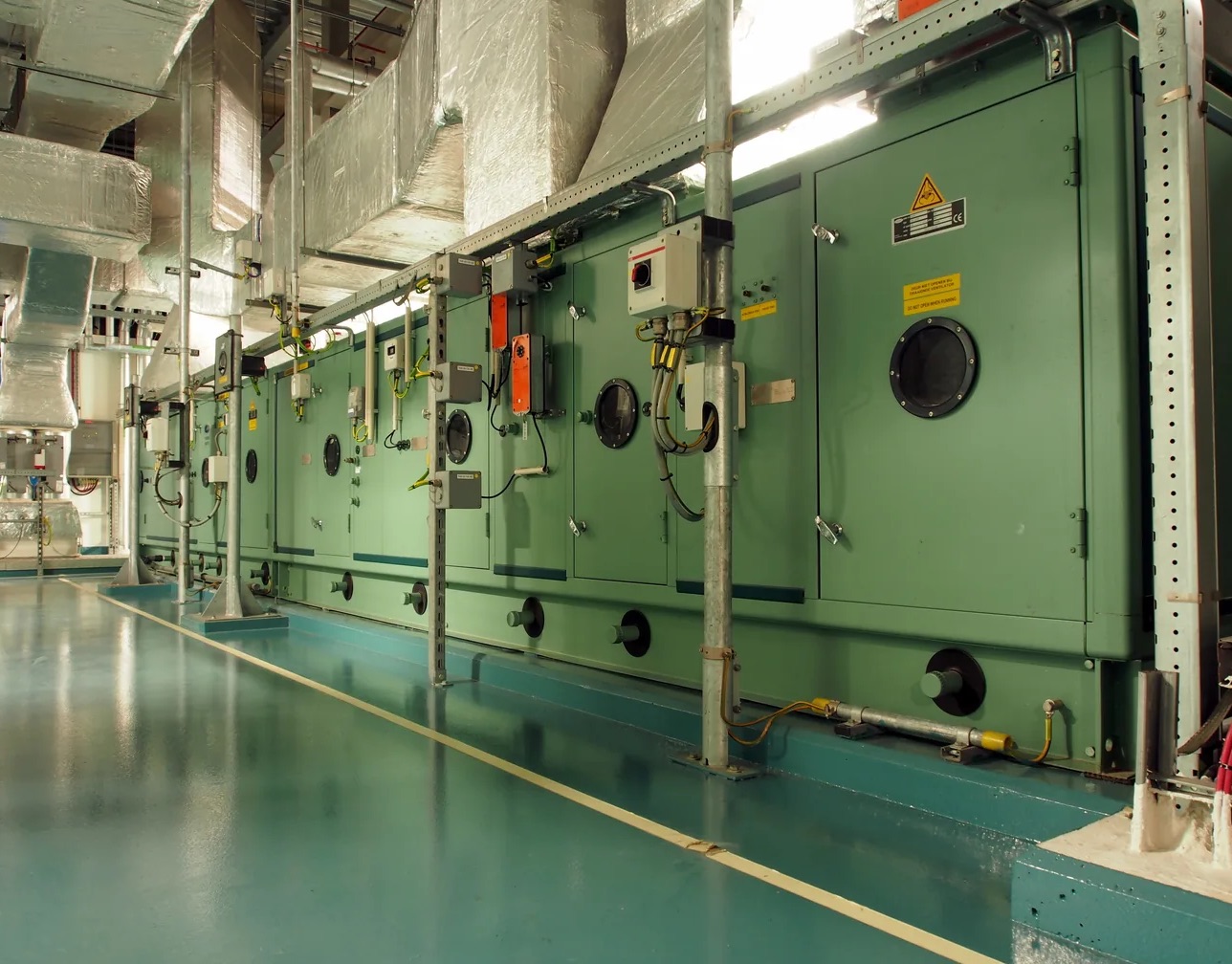
Professional AC Unit Water Removal in Whitewater, WI
In Whitewater, an AC that runs for months produces a steady flow of condensate. A blocked or disconnected drain line sends that flow into the house, where it soaks whatever sits below the unit.
A leaking AC in Whitewater rarely fixes itself, and the water keeps soaking the same drywall and subfloor until the drain is cleared. Local water damage pros serve Whitewater and nearby Palmyra, Fort Atkinson and Little Prairie, with help available around the clock for leaks of any size.
AC Unit Water Removal Services in Whitewater
Air Conditioner Restoration Services
Work finishes with cleanup and a check that the unit drains properly, so the leak does not return.
Emergency AC Water Removal
Fast extraction limits how far the water travels into framing and insulation, and lets drying equipment go in sooner.
AC Leak Mold Prevention
Antimicrobial treatment is an add-on step after drying, not a substitute for removing wet materials that cannot be saved.
AC Condensate Drain Clearing
A clogged condensate line is the most common reason an AC unit leaks. The pros flush out algae and sludge so condensate drains away again.
AC Leak Water Cleanup
Cleanup starts at the drain pan and works outward, removing pooled water and wet debris so drying can begin.
How to Know You Need AC Unit Water Removal in Whitewater
Condensation Line Dripping
A condensate line that drips inside instead of outside has a crack, loose fitting or clog.
Visible Mold Near AC
Dark spots on drywall or framing near the unit mean the area has stayed wet for days.
Reduced Cooling Efficiency
A clogged drain can trip a float switch or starve the coil of airflow, so the system runs longer and cools less.
Unusual AC System Noises
Gurgling or dripping sounds from the unit can mean water is backing up in the drain line.
How AC Unit Water Removal Works in Whitewater
Step 1: Leak Assessment
The pros find the source of the leak, check how far the water spread and take moisture readings.
Step 2: Source Stop and Water Removal
The drain is cleared or the leaking part isolated, then standing water is extracted from every wet area.
Step 3: System Drying and Dehumidification
Drying equipment runs until walls, floors and insulation test dry, with readings taken at each visit.
Step 4: Verification and Restoration
Final readings confirm the materials are dry, then damaged drywall, trim or ceiling panels can be replaced.
Frequent Sources of AC Water Damage
Frozen Evaporator Coils Thawing
A coil that freezes from low airflow sheds a large amount of water at once when it thaws.
Age and Component Wear
Older units have worn fittings, brittle seals and corroded pans that start leaking together.
Damaged AC Drain Pan
Metal pans rust through and plastic pans crack with age, letting water drip straight through.
Excess Outdoor Humidity
Very humid air makes the coil produce more water than a partly clogged drain can carry.
Residential and Commercial AC Unit Water Removal in Whitewater
Residential AC Unit Water Removal
In apartments and condos, an AC leak can spread through the floor or ceiling to the unit below. Fast extraction limits the spread and the number of neighbors affected.
Commercial AC Unit Water Removal
In restaurants and retail spaces, water near equipment, wiring and walkways is removed first. That reduces slip and electrical hazards while the rest of the area dries.
When to Hire Local Pros for AC Unit Water Removal in Whitewater
DIY works for a small puddle on tile that you catch right away and wipe dry. Wet carpet and pad, or drywall that feels soft, usually need professional extraction and drying equipment to dry fully.
AC Unit Water Removal Cost in Whitewater, WI
Drying equipment is usually billed by the day, so how long materials stay wet matters. Starting quickly in Whitewater shortens drying time and lowers the total.
Affected Component Count
The more of the system that got wet, such as the blower, panels and insulation, the more drying time is needed.
Documentation Needs
Detailed photos and moisture logs for an insurance claim add some time to the job.
Secondary Damage Presence
Wet ceilings, swollen baseboards or damp framing add removal and repair work to the job.
Does Insurance Cover AC Unit Water Removal?
Take photos before cleanup starts and keep receipts for any emergency work, such as extraction done at night. Both help when you file a claim for AC water damage with your insurer.
Reasons to Select Local Pros in Whitewater for AC Unit Water Removal
Industry Drying Standards
Drying follows industry water damage standards, with moisture readings at each visit.
Leak Source Identification
The pros trace the leak to its source, whether that is a clog, a cracked pan or a failed pump.
Preventative Microbial Treatment
Optional antimicrobial treatment can be applied to wood and drywall that stayed wet for days.
24/7 Emergency AC Unit Water Removal Response in Whitewater
Every hour of standing water means more drying later and more materials to replace. Call (414) 348-0250 for AC unit water removal in Whitewater as soon as you see the leak.
Call Now (414) 348-0250Local AC Unit Water Removal Coverage for Whitewater, Palmyra, Fort Atkinson and Little Prairie
Help with AC unit water removal reaches Palmyra, Fort Atkinson and Little Prairie, plus other communities around Whitewater, for houses, apartments and commercial buildings with leaking AC units.
- AC Unit Water Removal in Palmyra
- AC Unit Water Removal in Fort Atkinson
- AC Unit Water Removal in Little Prairie
- AC Unit Water Removal in Jefferson
- AC Unit Water Removal in Rome
- AC Unit Water Removal in Helenville
- AC Unit Water Removal in Elkhorn
- AC Unit Water Removal in Sullivan
- Emergency Damage Restoration in 53190
- Storm Damage Restoration in 53190
- Water Damage Restoration in 53190
- Water Extraction Service in 53190
- Water Leak Detection in 53190
- Water Removal Service in 53190
AC Unit Water Removal FAQs
What are signs I need water removed from around my air conditioner?
Puddles near the unit, ceiling stains, a musty smell, a full drain pan or an AC that shuts off on its own.
Does homeowners insurance cover water damage from an HVAC unit?
Sudden leaks are often covered, but slow leaks and the unit itself usually are not. Check your policy.
How quickly should I deal with an AC leak?
Right away. Water that sits for more than a day or two soaks into drywall and insulation and raises the risk of microbial growth.
What happens during AC water extraction?
Pumps and extractors remove water from the pan, floor and carpet, then moisture meters check walls and subfloor for hidden water.
What does emergency AC water removal include?
Shutting off the unit, extracting standing water, clearing the drain and starting drying equipment, at any hour.