Greenfield, WI · Milwaukee County
AC Unit Water Removal in Greenfield, WIAC Leak Water Cleanup & Wet AC Unit Component Drying
AC Unit Water Removal in Greenfield runs from emergency AC water removal and AC leak water cleanup to air conditioner restoration services.
Answered 24/7
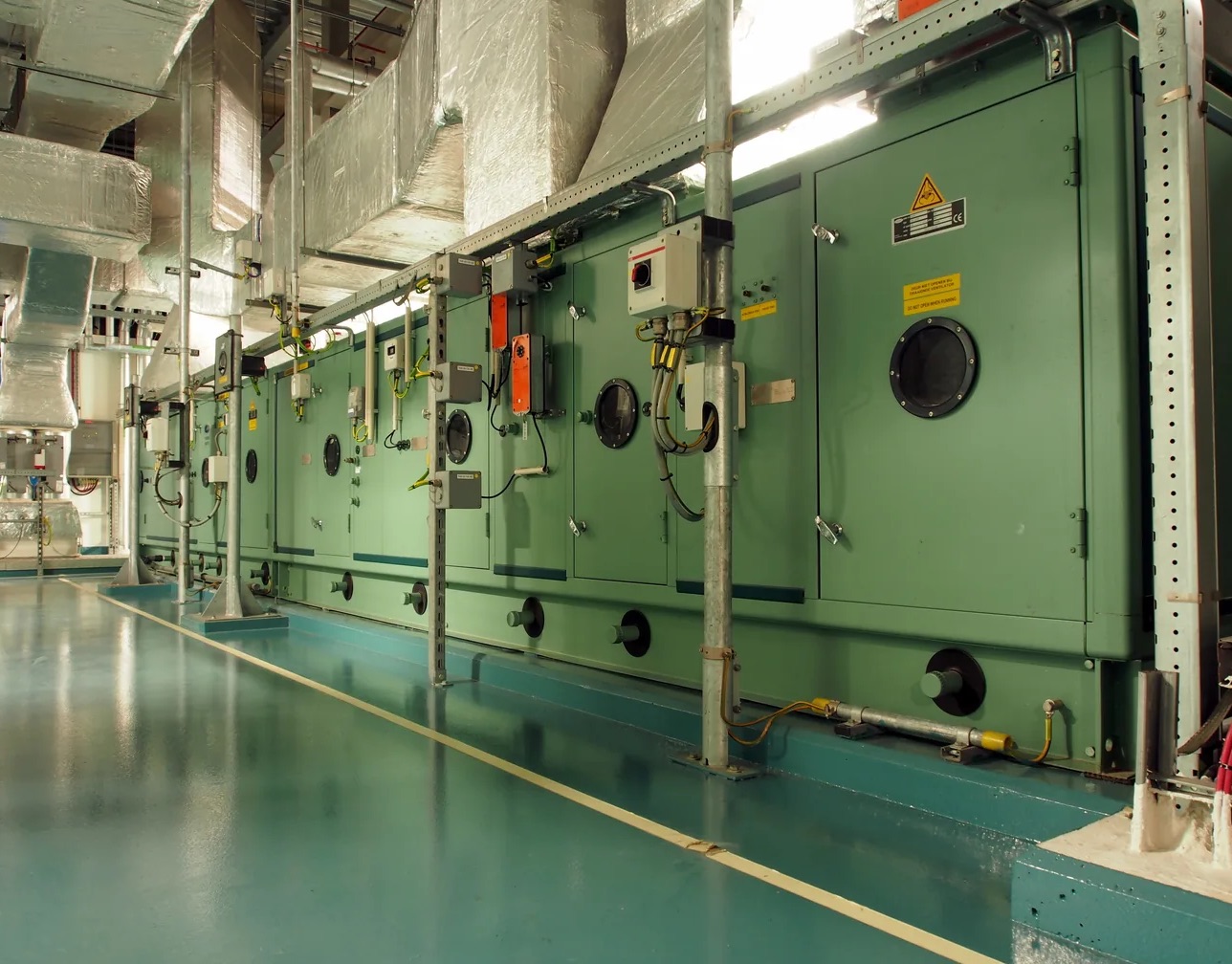
Expert AC Unit Water Removal for Greenfield Homes
Most AC leaks start small: a drip in the furnace closet or a faint stain under an attic unit. In Greenfield, the drain pan can fill and overflow for days before anyone notices the damage.
A leaking AC in Greenfield rarely fixes itself, and the water keeps soaking the same drywall and subfloor until the drain is cleared. Local water extraction experts serve Greenfield and nearby Greendale, Hales Corners and West Allis, with help available around the clock for leaks of any size.
Complete AC Unit Water Removal and Repair in Greenfield
AC Leak Water Cleanup
Cleanup starts at the drain pan and works outward, removing pooled water and wet debris so drying can begin.
Wet AC Unit Component Drying
Damp insulation inside the cabinet holds water for a long time. It is dried in place or replaced if it stays wet.
AC Condensate Drain Clearing
Clearing the line stops the overflow at its source. Without it, the pan refills and the leak returns within days.
Emergency AC Water Removal
Fast extraction limits how far the water travels into framing and insulation, and lets drying equipment go in sooner.
AC Leak Water Extraction
Extraction is followed by drying with air movers and dehumidifiers, with daily readings to track progress.
Warning Signs You Need AC Unit Water Removal
Wet AC Unit Components
Damp coils, a wet blower compartment or moisture around wiring inside the cabinet mean water is collecting where it should not.
AC Unit Circuit Breaker Trips
Water reaching electrical parts can trip the breaker. Shut the unit off and call before resetting it again.
Musty Odors From Vents
A musty smell when the AC starts often means standing water in the pan or wet insulation in the ducts.
AC System Shuts Off
Many units have a float switch that shuts the system off when the pan fills. If the AC stops cooling, check the pan.
How AC Unit Water Removal Works in Greenfield
Step 1: Leak Assessment
The pros find the source of the leak, check how far the water spread and take moisture readings.
Step 2: Source Stop and Water Removal
The drain is cleared or the leaking part isolated, then standing water is extracted from every wet area.
Step 3: System Drying and Dehumidification
Drying equipment runs until walls, floors and insulation test dry, with readings taken at each visit.
Step 4: Verification and Restoration
Final readings confirm the materials are dry, then damaged drywall, trim or ceiling panels can be replaced.
Why AC Units Leak and Need Water Removal
Clogged AC Condensation Line
Algae and sludge build up in the drain line over a cooling season until water backs up into the pan.
High Static Pressure in Ducts
Restricted ducts can pull water off the coil and blow it into the cabinet or ductwork.
Failed Condensate Pump
Units that pump condensate uphill depend on a small pump. When it fails, the reservoir overflows.
Improper AC Unit Installation
A unit that is not level, or a drain line without enough slope, lets water pool instead of draining.
Residential and Commercial AC Unit Water Removal in Greenfield
Residential AC Unit Water Removal
For homeowners, the main risk is water soaking into insulation and drywall where no one sees it. Moisture meters find that hidden water so it can be dried before it causes rot.
Commercial AC Unit Water Removal
For property managers, one leaking unit can affect several suites or the floor below. Each wet area is extracted, dried and documented for the owner and insurer.
AC Unit Water Removal vs. DIY: When to Call the Pros
Box fans move air across a wet surface, but they often leave water trapped in wall cavities and under flooring. Professional drying uses moisture readings to confirm the hidden areas behind walls and under floors are dry too.
AC Unit Water Removal Cost in Greenfield, WI
After-hours calls, the number of rooms affected, the drying time and any drywall or ceiling repairs all change the total for AC unit water removal in Greenfield.
Leak Source and Severity
A slow drip near the closet costs less to fix than an attic overflow that soaked a ceiling and the room below.
Documentation Needs
Detailed photos and moisture logs for an insurance claim add some time to the job.
System Restoration Complexity
Replacing drywall, insulation or trim after drying adds material and labor to the total.
Does Insurance Cover AC Unit Water Removal?
Insurers often ask whether the leak was sudden or ongoing. A record of when the water was found, what it reached and how it was dried helps answer that question.
The Value of Local Pros for AC Unit Water Removal in Greenfield
Drain Pan Extraction
Both the main pan and the safety pan are emptied and checked for damage.
24/7 Emergency Response
Help is available any hour, which matters when an attic unit starts leaking into a ceiling at night.
Industry Drying Standards
Drying follows industry water damage standards, with moisture readings at each visit.
Emergency AC Unit Water Removal Available 24/7 in Greenfield
Do not wait for a stained ceiling to start sagging under the weight of the water. Call (414) 348-0250 now for AC unit water removal in Greenfield and get the drying started.
Call Now (414) 348-0250Local AC Unit Water Removal Coverage for Greenfield, Greendale, Hales Corners and West Allis
Nearby areas served for AC unit water removal include Greendale, Hales Corners and West Allis, with the same extraction and drying process used in Greenfield.
- AC Unit Water Removal in Greendale
- AC Unit Water Removal in Hales Corners
- AC Unit Water Removal in West Allis
- AC Unit Water Removal in Oak Creek
- AC Unit Water Removal in St. Francis
- AC Unit Water Removal in Franklin
- AC Unit Water Removal in Cudahy
- AC Unit Water Removal in New Berlin
- Emergency Damage Restoration in 53220
- Storm Damage Restoration in 53220
- Water Damage Restoration in 53220
- Water Extraction Service in 53220
- Water Leak Detection in 53220
- Water Removal Service in 53220
- Emergency Damage Restoration in 53221
- Storm Damage Restoration in 53221
AC Unit Water Removal FAQs
What clogs an AC condensate line?
Algae, sludge, dust and debris build up inside the line, especially over long cooling seasons, until water backs up into the pan.
How quickly should I deal with an AC leak?
Right away. Water that sits for more than a day or two soaks into drywall and insulation and raises the risk of microbial growth.
What does emergency AC water removal include?
Shutting off the unit, extracting standing water, clearing the drain and starting drying equipment, at any hour.
Why does the drain pan need to be emptied?
A full pan overflows into ceilings and floors. Emptying and inspecting it stops the spill and shows whether the pan is cracked.
How does antimicrobial treatment help after an AC leak?
Once surfaces are dry, an antimicrobial can be applied to wood and drywall that stayed wet to slow microbial growth.